Bulldog: Temperament, Care & Lifespan
Learn about Bulldog temperament, brachycephalic health, and short lifespan, and whether this calm companion dog is right for your home — including what to ask when adopting or fostering one.
Updated
Stats at a Glance
- Size
- Medium
- Energy
- Low
- Shedding
- Moderate
- Trainability
- Moderate
- Apartment
- Yesi
- Low energy; quiet and manageable indoors
- Grooming
- Low to Moderatei
- Barking
- Low
- Exercise
- Short, slow walks
- With Kids
- Yes
- Supervision with toddlers
- With Dogs
- Often
- With Cats
- Ofteni
- Low prey drive; calm
- Origin
- England
Trait Score Snapshot
| Trait | Score |
|---|---|
| Energy | ★☆☆☆☆1/5 |
| Shedding | ★★★☆☆3/5 |
| Barking | ★☆☆☆☆1/5 |
| Grooming demand | ★★☆☆☆2/5 |
| Trainability | ★★★☆☆3/5 |
| Apartment suitability | ★★★★★5/5 |
| Beginner friendliness | ★★★★☆4/5 |
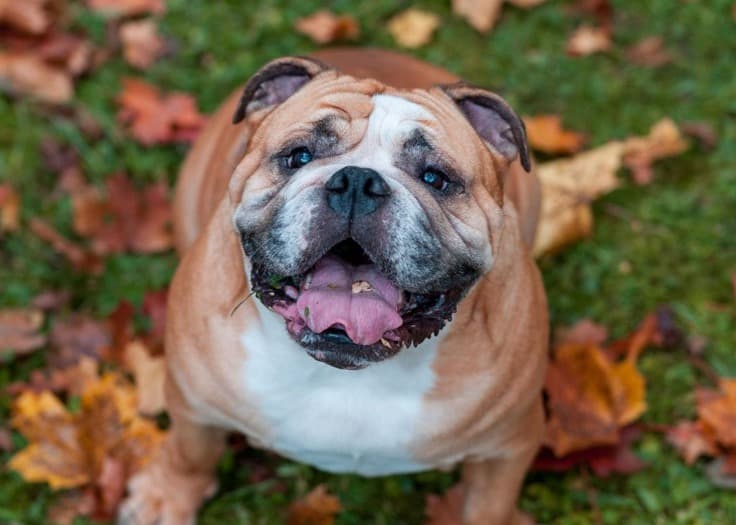
Bulldogs are sturdy, muscular companion dogs known for their distinctive wrinkled face and calm, steady demeanor. Unlike many high-energy working breeds, Bulldogs are typically content with shorter walks and extended rest periods. Their relaxed personality makes them appealing to owners seeking a quieter household companion.
However, Bulldogs require thoughtful care. Their body structure, heat sensitivity, and potential health considerations mean ownership comes with specific responsibilities. Understanding their limitations and daily needs is important before bringing one home.
This guide is informational and not veterinary advice. Consult a licensed veterinarian for medical concerns.
Bottom line: A Bulldog is a strong fit for people who want a calm, affectionate companion suited to quieter home environments and are prepared for proactive health management and a shorter-than-average lifespan. It is a weaker fit for active households, hot climates without reliable climate control, or owners unwilling to commit to ongoing weight and breathing monitoring.
Size & lifespan
Most Bulldogs stand 14–15 inches tall at the shoulder and typically weigh 40–50 pounds, depending on sex and lineage.
The average lifespan is generally 8–10 years, though careful health management, weight control, and routine veterinary care can influence longevity.
History & origin
Bulldogs originated in England, where they were bred for bull-baiting — a practice that required a dog low to the ground, powerfully built, and tenacious enough to grip and hold despite injury. When bull-baiting was outlawed in the 19th century, the breed faced extinction. Selective breeding by enthusiasts shifted the Bulldog toward companionship, softening temperament while preserving the stocky physique.
The result is a paradox: a dog with the physical structure of a working animal and the temperament of a companion. The broad chest, short muzzle, and compressed airway are all inherited from the bull-baiting era. They were functional traits for the original purpose. In a companion context, they are the source of the breed’s most significant health considerations.
Understanding that origin matters for practical ownership. The brachycephalic structure is not a flaw to be corrected — it is the breed as it was developed. Owners who go in with that understanding are better positioned to manage it proactively.
Lifestyle fit
- Apartment Living: Yes — low energy, quiet temperament, and moderate indoor footprint suit most spaces well
- First-Time Owners: Good fit for owners prepared for health monitoring and patient training
- Families with Kids: Good fit — calm and tolerant; supervise with toddlers due to size
- Active Households: Poor fit — not suited for sustained exercise or outdoor activity
- Low-Energy Homes: Excellent fit
- Seniors: Good fit — manageable exercise needs and calm temperament; health monitoring commitment should be considered
Quick take: Is a Bulldog right for you?
Pros
- Calm, low-reactivity temperament — easy to live with indoors
- Low exercise demand suits smaller spaces and quieter routines
- Quiet — low barking makes shared-wall living straightforward
- Affectionate and people-oriented without being demanding
Cons
- Short lifespan — 8–10 years is below average for the size
- Brachycephalic structure requires ongoing management: heat sensitivity, breathing monitoring, potential surgery
- Weight gain accelerates health risks; requires consistent portion control
- Higher veterinary costs likely over the dog’s lifetime
Best for
- Owners seeking a low-energy companion
- Apartment or city living
- Households preferring a calmer dog
- People who enjoy relaxed daily routines
Not ideal for
- Owners wanting a jogging or hiking partner
- Very hot climates without climate control
- Highly active households
- People unwilling to monitor health and weight closely
What living with a Bulldog is actually like
Expect a dog that is genuinely easy to share a home with: quiet, unhurried, and content to stay close without demanding much. Daily life is low-intensity — a short morning walk, some indoor time, a nap. What it is not is low-attention. The brachycephalic structure means you are always keeping a peripheral eye on breathing and weight. Skin folds need cleaning. Heat requires management. Vet visits are more frequent than with most breeds.
For someone who wants a relaxed, affectionate companion and is willing to take the health responsibilities seriously, Bulldogs are a strong match. For someone expecting low cost and low maintenance alongside the low exercise, the health side of ownership will be a consistent surprise.
Temperament & personality
Bulldogs are often described as calm, affectionate, and quietly determined.
Relaxed and steady
Many Bulldogs are content lounging indoors for long stretches and do not require structured daily activity beyond short walks. That low-key disposition is not laziness — it is a genuine temperament trait that makes them one of the calmer companion breeds to live with indoors.
Loyal and affectionate
Bulldogs frequently bond closely with their household members and may prefer staying near their owners rather than roaming independently.
Stubborn but sensitive
While intelligent, Bulldogs can show a stubborn streak during training. Calm, consistent reinforcement is typically more effective than repetitive drills.
Exercise needs: How much activity does a Bulldog need?
Most adult Bulldogs benefit from 20–40 minutes of light daily activity.
A typical routine may include:
- Short, slow-paced walks
- Gentle indoor play
- Brief obedience sessions
Heat and exertion limits
Because Bulldogs are brachycephalic (short-nosed), they may have reduced tolerance for heat and strenuous exercise. Activity during cooler parts of the day and avoiding overexertion are important considerations.
Signs of overexertion
- Heavy panting
- Slowed movement
- Lethargy
- Reluctance to continue walking
Moderate, controlled activity is generally more appropriate than high-intensity exercise.
For other lower-activity breeds, see: Low-Energy Dog Breeds
Shedding & grooming
Bulldogs have short coats that are relatively simple to maintain.
Shedding expectations
- Moderate shedding year-round
- Seasonal increases possible
Grooming routine
- Weekly brushing
- Cleaning facial wrinkles regularly
- Nail trimming
- Routine ear checks
Wrinkle care is especially important to maintain skin hygiene and comfort.
Training & behavior
Bulldogs are intelligent but may not always show enthusiasm for repetitive commands.
Training difficulty
Generally moderate. They respond best to structured routines and positive reinforcement.
Common behavior challenges
- Stubborn responses
- Food-driven behavior
- Reluctance during longer sessions
Practical training tips
- Keep sessions short and engaging.
- Use consistent commands and rewards.
- Reinforce calm indoor behavior.
- Avoid overexertion during training.
Patience and consistency are key.
Are Bulldogs good family dogs?
Bulldogs are generally calm and tolerant with family members, and their low reactivity makes them predictable in household environments. Their steady temperament means they are unlikely to be startled or aroused by the noise and movement of family life.
The size consideration is worth naming plainly: at 40–50 pounds, a Bulldog can unintentionally knock over a small child simply by moving through a room. Close supervision with toddlers is sensible — not because aggression is typical, but because the size mismatch is real.
For families with older children, Bulldogs are an easy fit. They are not herding or nipping the kids, and not zooming around the house. The main household ask is consistent routine and steady feeding schedules.
Are Bulldogs good for apartments?
Yes — Bulldogs are well suited to apartment living. Their low energy means they do not need a yard to stay settled. Their quiet temperament means barking is rarely a neighbor issue. Their size is manageable in smaller spaces.
The two apartment-specific requirements are climate control and weight management. Bulldogs in warm or poorly ventilated spaces are at meaningful risk from heat and humidity. Apartments without reliable air conditioning are not appropriate. Within a climate-controlled environment, they adapt well.
For guidance on apartment-suitable breeds, see: Best Dogs for Apartments
Adoption, rescue, and foster considerations
Bulldogs do appear in rescue and foster systems, often when owners underestimated health costs or were unprepared for the ongoing breathing management. These are not failures of affection — they are failures of expectation-setting at the start.
Adult Bulldogs from foster care carry a real informational advantage: the foster carer can tell you directly about breathing baseline, heat tolerance, skin fold condition, and how the dog manages exercise. That picture takes months to build with a puppy.
Ask the rescue or foster:
- What is breathing tolerance during light activity and warm conditions?
- Has there been any BOAS-related surgery (palate correction, nares widening)?
- What is the condition of the skin folds — face, tail pocket, body?
- How is weight trending, and what is the current feeding structure?
- How does the dog behave when left alone?
Common Bulldog owner challenges
Breathing and heat management
The brachycephalic airway is the defining health management task for Bulldog owners. Most Bulldogs handle light, cool-weather activity without difficulty, but heat, humidity, and overexertion can escalate quickly to distress. Keeping walks short, timing activity for cooler parts of the day, and having a cool indoor space as the baseline environment are non-negotiable for this breed.
Weight gain
Bulldogs gain weight easily, and every extra pound increases the respiratory load on an already restricted airway while accelerating joint wear. Measured feeding rather than free-feeding, consistent low-impact daily walks, and limiting high-calorie treats are the main levers. Weight is one of the few health variables that is almost entirely within the owner’s control.
Skin fold maintenance
Facial folds, tail pocket, and body folds need regular cleaning to prevent moisture buildup and irritation. Neglected folds can develop into chronic skin infections. This is a routine task — a few minutes a few times a week — but it is a permanent one.
Health considerations
Common hereditary considerations
- Brachycephalic airway syndrome (breathing sensitivity)
- Skin fold irritation (face, tail pocket, body folds)
- Joint issues in some individuals
- Weight-related strain
Weight & lifestyle risks
Obesity is a serious concern for Bulldogs. Added body weight directly increases respiratory work on an already restricted airway and accelerates joint deterioration. Controlled portions and consistent low-impact daily movement are essential. Avoid exercise in warm or humid conditions.
Questions to ask your shelter or vet
- What is breathing tolerance during light activity or heat exposure?
- What is the condition of skin folds (face, tail pocket)?
- Any surgical history (palate or nares correction)?
- What is the current weight and body condition score?
Consult a veterinarian for medical advice specific to your dog.
Cost to own a Bulldog
Common expense categories include:
- Food
- Routine veterinary care
- Preventative medications
- Grooming supplies
- Ongoing health monitoring
Brachycephalic health care is worth factoring explicitly into long-term planning. Some Bulldogs require surgical intervention for airway obstruction (BOAS correction, nares widening, palate surgery) — procedures that are not uncommon and can be significant in cost. Skin fold infections, joint issues, and weight-related conditions add to the picture. Bulldogs are not high-exercise dogs, but they are higher-than-average veterinary cost dogs.
For budgeting guidance, see: How Much Does a Dog Cost Per Month?
Similar breeds to research
If you are drawn to a Bulldog, these breed profiles may also be worth exploring:
See the full Bulldog vs French Bulldog comparison for a side-by-side breakdown.
Bulldog comparison pages
Most compared
Other comparisons