Toy Poodle: Temperament, Care & Lifespan
Learn about Toy Poodle temperament, fragility considerations, grooming commitment, and whether this small, apartment-friendly breed is right for your home.
Updated
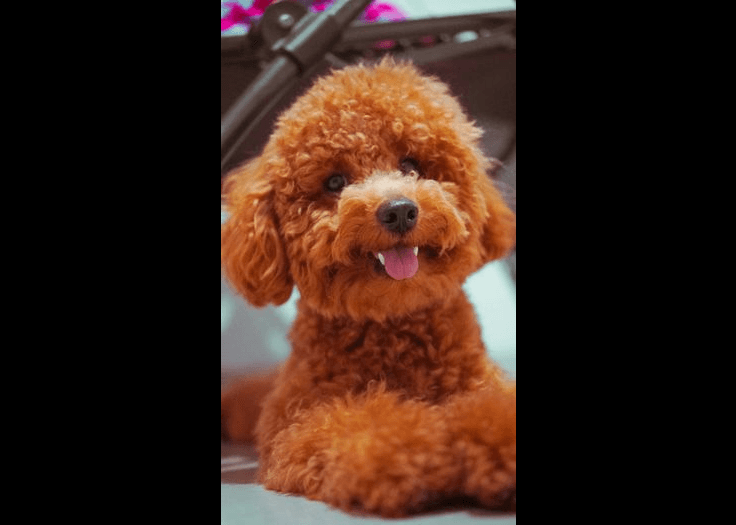
Stats at a Glance
- Size
- Small
- Energy
- Moderate
- Shedding
- Low
- Trainability
- High
- Apartment
- Yesi
- Small size; daily engagement needed
- Grooming
- Highi
- Barking
- Low to Moderate
- Exercise
- 20–40 min
- With Kids
- Yes (with supervision)i
- Best with calm, school-age children
- With Dogs
- Possible with managementi
- Bold with larger dogs; size mismatch
- With Cats
- Possible with managementi
- Bold; may assert over cats
- Origin
- Germany / France
Trait Score Snapshot
Toy Poodles are the smallest Poodle variety, typically 4–6 pounds, sharing the breed's intelligence, low-shedding coat, and people-oriented temperament in a very compact package. What changes at this size is physical fragility: a 4–6 lb dog is genuinely vulnerable to rough handling, falls, and accidental injury from young children or large dogs.
Despite their size, Toy Poodles are not timid dogs. They are alert, bold for their weight, and in some cases more assertive around other dogs than their small stature would suggest. The grooming commitment of the full Poodle breed applies here without reduction, professional clipping every 4–8 weeks is a fixed cost.
This guide is informational and not veterinary advice. Consult a licensed veterinarian for medical concerns.
Bottom line: A Toy Poodle is a strong fit for smaller households, seniors, and urban dwellers who want a low-shedding, apartment-friendly companion and are prepared for regular professional grooming. It is a weaker fit for households with young children, large dogs, or owners expecting a dog that can tolerate rough play.
Size & lifespan
Toy Poodles typically weigh 4–6 pounds and stand under 10 inches tall at the shoulder.
The typical lifespan is 12–16 years, with some well-cared-for dogs living beyond that, consistent with the longer end of Poodle lifespans across all sizes. For a comparison of breeds known for longevity, see Longer-Lifespan Dogs.
History & origin
The Poodle originated in Germany as a working water retriever, the name derives from the German Pudel, meaning to splash in water. The Toy variety emerged as the breed was refined in France for performance, companionship, and court life, reducing the size while preserving the intelligence and coat traits of the working dog.
The Toy Poodle became closely associated with French aristocratic culture and was among the most fashionable companion dogs in Europe for centuries. Despite this history, the working-dog traits, attentiveness, trainability, responsiveness to the handler, remain present in the modern Toy Poodle.
The AKC recognizes the Toy Poodle as a distinct size variant alongside the Miniature and Standard. All three share the same breed standard; size is the primary differentiator.
Lifestyle fit
- Apartment Living: Strong fit, small size and modest exercise needs require little more than daily walks and indoor play
- First-Time Owners: Good fit, trainable and manageable, though grooming commitment is significant and the fragility of this size warrants awareness
- Families with Kids: Conditional fit, works well in households where children are calm and taught respectful handling; not suited to households with very young or rough children
- Active Households: Possible, but this breed's needs are modest, a better match for moderately active than highly active owners
- Low-Energy Homes: Good fit, daily short walks and light indoor activity are sufficient
- Seniors: Strong fit, manageable size, low exercise demands, long lifespan, and high trainability suit senior owners well; grooming is the main ongoing commitment
Quick take: Is a Toy Poodle right for you?
Pros
- Apartment and urban living: low exercise demand, small footprint
- Low-shedding coat reduces loose hair on floors and furniture
- Long lifespan (12–16+ years)
- Highly trainable; absorbs commands quickly and responds well to praise and food
- Affectionate and strongly people-oriented
Cons
- Physical fragility, vulnerable to rough handling, falls, and large dogs
- Professional grooming every 4–8 weeks: a significant fixed ongoing cost
- Prone to separation anxiety when alone-time routines are not established early
- Bold personality can lead to friction with larger or more assertive dogs
- Not a natural fit for households with young or rough children
Best for
- Seniors and lower-activity households wanting a long-lived, trainable companion
- Apartment and urban dwellers wanting a low-shedding small dog
- Individuals and couples without young children
- People willing to commit to professional grooming every 4–8 weeks
Not ideal for
- Households with very young children or rough play
- Owners who expect the dog to coexist safely with large, boisterous dogs without careful management
- People looking for minimal grooming or a truly low-maintenance coat
- Owners unable to provide consistent daily companionship
What living with a Toy Poodle is actually like
A Toy Poodle is a companion-oriented dog in a very small body that is more assertive and engaged than its size implies. Daily life involves short but consistent walks, regular mental stimulation to keep the dog settled, and professional grooming every 4–8 weeks without fail. The fragility of the size is a practical reality that structures the household, a young child or large dog can injure a 4–6 lb dog in a moment of rough play without intending to. For the right household, calmer, adult-focused, that combination produces a long-lived, trainable, and deeply bonded companion. For households that underestimated the fragility or grooming costs, ownership becomes more managing the environment than enjoying the dog.
Temperament & personality
Toy Poodles are often described as intelligent, alert, and people-oriented, consistent with all Poodle sizes, but with a notable boldness that surprises owners expecting a timid lap dog.
Quick to read their handler
They pick up new commands in fewer repetitions than most breeds and read handler cues, tone, body language, timing, with unusual attentiveness, making training sessions efficient rather than laborious.
Bold and confident despite the size
Toy Poodles often carry themselves with more confidence than their weight warrants. This can show up as assertiveness around other dogs, including larger ones, a mismatch in physical tolerance that owners need to actively manage.
Social and companion-oriented
Many Toy Poodles prefer close companionship over time alone. Dogs left isolated for long periods may develop attention-seeking behaviors or stress responses. Early, consistent practice with alone-time routines significantly reduces risk.
Sensitive and responsive
Toy Poodles are attentive to tone and household atmosphere. Harsh training or tense environments tend to increase anxiety rather than improve behavior. Positive reinforcement and calm consistency work best.
Exercise needs
Most Toy Poodles do well with 20–40 minutes of daily activity, a lower bar than most active breeds, and one of the practical advantages of this size.
A typical routine may include:
- Short daily walks (two walks of 15–20 minutes each)
- Indoor play sessions
- Obedience or trick-training sessions, which double as mental exercise
- Light retrieval games
Mental stimulation still matters
Despite the modest physical exercise needs, Toy Poodles need mental engagement to stay settled. Signs of under-stimulation include:
- Excessive barking or vocalization
- Attention-seeking behaviors
- Restlessness indoors
Short training sessions are an efficient way to meet both the mental and social needs at once.
Shedding & grooming
Toy Poodles shed significantly less than most breeds, but the coat is demanding and the grooming schedule is non-negotiable.
Do Toy Poodles shed?
They shed considerably less than double-coated breeds. Hair tends to catch in the curly coat rather than falling onto floors and furniture, which reduces loose hair but increases matting risk without regular brushing.
Grooming routine
- Professional grooming every 4–8 weeks (non-negotiable for most owners)
- Brushing several times per week between appointments to prevent matting
- Ear cleaning regularly, floppy ears with hair in the canal are prone to infection
- Nail trimming every 3–4 weeks
- Dental hygiene, small-breed dogs are disproportionately prone to dental disease
Grooming costs are a significant fixed expense regardless of age or health. Budget for professional appointments year-round before adopting.
Are Toy Poodles hypoallergenic?
No dog is fully hypoallergenic. The low-shedding coat means fewer allergens are distributed around the home, and some allergy-sensitive individuals tolerate Toy Poodles better than heavy shedders. Reactions depend on the individual person, and there is no guarantee of tolerance.
Training & behavior
Toy Poodles learn fast, hold commands reliably, and are motivated by both food and praise, the challenge is keeping sessions varied rather than getting them to comply.
Training difficulty
Easy to train with consistent, reward-based methods. The practical challenge is not teaching commands, it is keeping sessions varied enough to hold the dog's interest, as repetitive drills lose their engagement faster than with some other breeds.
Common behavior considerations
- Separation anxiety if alone-time routines are not established early
- Alert barking that can escalate without consistent training
- Assertiveness around other dogs that does not match their physical vulnerability, this requires management, not just tolerance
- Attention-seeking behaviors in under-stimulated dogs
Practical training tips
- Begin basic obedience early, Toy Poodles absorb commands quickly.
- Establish a consistent alone-time routine from the start to prevent separation anxiety.
- Vary training challenges, this breed bores of repetition faster than most.
- Address boldness around larger dogs through socialization and controlled introductions, not just exposure.
Are Toy Poodles good with kids?
Toy Poodles can do well in family settings, but the fragility of this size creates a genuine constraint: a 4–6 lb dog can be seriously injured by a child who falls, squeezes too hard, or drops the dog, not out of malice, but from normal lack of coordination.
In homes where children are school-aged and have been taught respectful handling, Toy Poodles are typically affectionate and tolerant. In homes with toddlers or children who are rough or unpredictable around animals, the risk of accidental injury is real enough that a sturdier breed is a more appropriate choice.
For family-oriented options, see: Best Dogs for Families
Are Toy Poodles good for apartments?
Yes, Toy Poodles are among the better apartment breeds. Their small size, modest daily exercise needs, and low-to-moderate barking level make them well suited to shared-wall living. The day-to-day requirement is straightforward: two short daily walks and some indoor activity or training are enough to keep a Toy Poodle settled.
The main apartment-relevant caveat is grooming, professional appointments every 4–8 weeks are non-negotiable, which is a scheduling and cost consideration rather than a space one.
For apartment-suited breeds, see: Best Dogs for Apartments
Adoption, rescue, and foster considerations
A common reason Toy Poodles enter rescue is a mismatch around household fit, often a family with young children who found the fragility concern unmanageable, or an owner who underestimated the grooming cost or the dog's need for daily companionship and engagement.
Adult adoption can be a good choice with Toy Poodles. A foster caregiver can tell you what a puppy cannot: how the dog handles time alone, whether separation anxiety is a factor, how it behaves around children and other dogs, and what professional grooming tolerance looks like. With a lifespan of 12–16+ years, adopting an adult at 3–5 still leaves many years of companionship.
Searching for breed-specific rescue organizations is a good starting point; many operate regional networks and can help match dogs to households.
Toy Poodle mixes and very small doodle-type dogs appear in rescue regularly. The fragility, grooming requirements, and need for gentle handling described here often apply to similar mixes. If you are evaluating a small poodle-type dog at a shelter, this profile helps you know what to ask.
Ask the rescue or foster:
- How does this dog handle being home alone, any signs of separation anxiety or destructive behavior?
- How does the dog behave around children, and has it been tested with young kids?
- How does it interact with other dogs, particularly larger or more assertive ones?
- Any history of eye issues, seizures, or orthopedic problems?
- What is the current grooming schedule and tolerance level?
Common Toy Poodle owner challenges
Managing physical fragility
The small size is the defining ownership challenge. A 4–6 lb dog can be injured by a fall from furniture, a child's rough handling, or an encounter with a larger dog. This requires actively managing the household environment in ways that owners of larger breeds do not need to consider: blocking furniture access unless supervised, ensuring careful introductions with other dogs, and setting clear expectations with children.
Grooming commitment
Professional grooming every 4–8 weeks is a fixed ongoing cost. Without regular brushing between appointments, the curly coat mats quickly, particularly behind the ears and in leg furnishings. Budget this before adopting.
Separation anxiety
Toy Poodles bond closely with their people and can develop stress responses when left alone without preparation. Establishing a consistent alone-time routine from early on significantly reduces risk. Dogs that go from constant company to abrupt long isolation are most vulnerable.
Health considerations
Common health considerations
- Progressive retinal atrophy (PRA): A heritable eye condition with elevated prevalence in Toy Poodles; leads to progressive vision loss. Genetic testing is available; ask about parent health history.
- Legg-Calvé-Perthes disease: A hip joint condition more common in small and toy-breed dogs; typically presents in young dogs and may require surgical intervention.
- Patellar luxation: Slipping kneecap common in small breeds; severity ranges from mild to requiring surgery.
- Epilepsy: Idiopathic epilepsy has elevated prevalence in Poodles; manageable with medication once diagnosed.
- Dental disease: Small-breed dogs are disproportionately prone to dental problems; regular dental care is important.
- Hypoglycemia (low blood sugar): A risk particularly in young Toy Poodle puppies due to their very small size.
Questions to ask your shelter or vet
- Any health testing history for the parents (PRA screening, OFA screening)?
- Any history of eye changes, vision problems, or unusual light sensitivity?
- Any history of limping, lameness, or kneecap concerns?
- Any history of seizures or neurological episodes?
- Current weight and dental condition?
Consult a veterinarian for medical advice specific to your dog.
Cost to own a Toy Poodle
Estimated monthly range: $100–$260 for most owners.
Row ranges show common category costs; the total reflects more realistic monthly ownership, including small recurring supplies and misc. expenses not listed separately.
Professional grooming every 4–8 weeks is the main recurring cost, partially offset by the minimal food and medication costs of a very small breed. Dental health is worth budgeting for — toy breeds generally need professional dental cleanings more frequently than average.
For a full methodology and breakdown by size: How Much Does a Dog Cost Per Month?
Want a personalized estimate? Use the Monthly Cost Calculator to customize by breed, size, grooming profile, and health risk.
Similar breeds to research
If you are drawn to a Toy Poodle, consider these profiles:
- Miniature Poodle, same breed in a larger size; wider household fit and slightly less fragile in active homes
- Maltese, similarly tiny and low-shedding; less trainable, more purely companion-oriented
- Cavalier King Charles Spaniel, comparable small size and affectionate nature; lower grooming cost, but higher cardiac monitoring needs as the dog ages
- Yorkshire Terrier, similar tiny size and spirited personality; more terrier in temperament, equally high grooming commitment
Frequently Asked Questions
Are Toy Poodles good family dogs?
Do Toy Poodles bark a lot?
Are Toy Poodles good for apartments?
How big do Toy Poodles get?
How long do Toy Poodles live?
Are Toy Poodles easy to train?
Do Toy Poodles shed?
Are Toy Poodles hypoallergenic?
How much does a Toy Poodle cost per month?
Related Guides
Ready to meet a dog? Search adoptable Toy Poodle dogs near you →