Bernese Mountain Dog: Temperament, Size, Care & Lifespan
Learn about Bernese Mountain Dog temperament, heavy shedding, shorter-than-average lifespan, exercise needs, and whether this large family breed is right for you.
Updated
Stats at a Glance
- Size
- Large
- Energy
- Moderate
- Shedding
- High
- Trainability
- High
- Apartment
- Challengingi
- Large; heavy shedder
- Grooming
- Highi
- Barking
- Low to Moderate
- Exercise
- 45–60 min
- With Kids
- Yesi
- Gentle but large
- With Dogs
- Often, with socialization
- With Cats
- Often with socializationi
- Gentle; good with early intro
- Origin
- Switzerland
Trait Score Snapshot
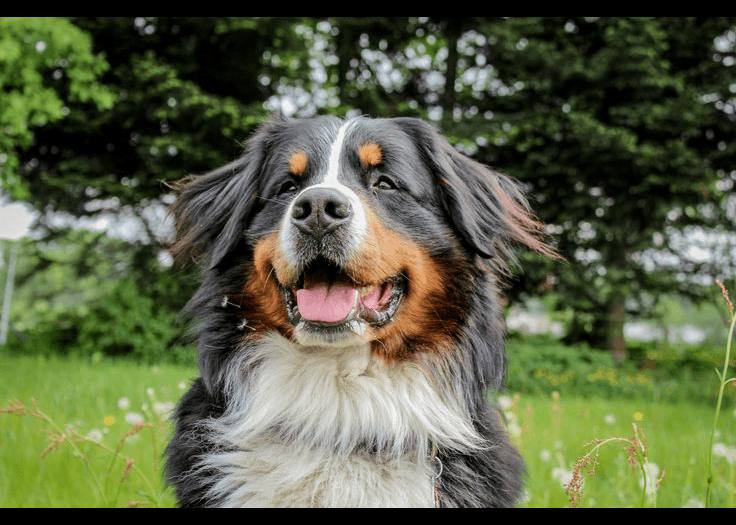
The Bernese Mountain Dog is a large Swiss working breed known for its gentle temperament, family-friendly nature, and striking tricolor coat. Prospective owners should also understand the breed's very heavy shedding, shorter-than-average lifespan, heat sensitivity, and above-average health costs before bringing one home.
Bernese Mountain Dogs are widely regarded as one of the more family-friendly large breeds — patient with children, sociable with other dogs, and deeply loyal to their household. That reputation is well-earned, but ownership carries real trade-offs that are worth understanding upfront.
This guide is informational and not veterinary advice. Consult a licensed veterinarian for medical concerns.
Bottom line: A Bernese Mountain Dog is a strong fit for families or individuals who want a calm, affectionate large breed and are prepared for very heavy shedding and above-average veterinary costs. It is a weaker fit for apartment dwellers, hot climates, or anyone not ready for a shorter-than-average lifespan.
Size & lifespan
Most adult Bernese Mountain Dogs stand 23–28 inches tall at the shoulder. Males typically weigh 80–115 pounds; females range from 70–95 pounds.
The average lifespan is 7–10 years — notably shorter than many other large breeds and a significant consideration for prospective owners. Thoughtful care, regular veterinary checkups, and proactive health management can help support the best possible quality of life within that window.
History & origin
The Bernese Mountain Dog takes its name from the canton of Bern in Switzerland, where it served as a versatile farm dog in the Swiss Alps for centuries. As one of four Swiss Sennenhund (Swiss Alpine herding dog) breeds, the Berner was used to herd cattle, pull laden carts to market, and guard farms — work that demanded strength, endurance, and a cooperative temperament.
The breed was formally recognized and standardized in the early 20th century, largely through the efforts of Swiss dog fancier Franz Schertenleib and professor Albert Heim, who worked to preserve the breed from near-extinction due to crossbreeding. The AKC recognized the Bernese Mountain Dog in 1937, and the breed has grown steadily in popularity since, particularly among families seeking a large, affectionate companion.
Lifestyle fit
- Apartment Living: Usually not a good fit — large size, heavy shedding, and the need for reliable daily exercise make apartment living challenging for many owners
- First-Time Owners: Possible with preparation — cooperative temperament helps, but shedding and health costs are significant
- Families with Kids: Very good fit — typically gentle, patient, and tolerant in well-socialized homes
- Active Households: Moderate fit — enjoys regular activity but is usually less intense than many other working breeds
- Low-Energy Homes: Possible — calmer than many working breeds, but still needs daily walks
Quick take: Is a Bernese Mountain Dog right for you?
Pros
- Gentle, affectionate temperament
- Typically excellent in family homes
- Trainable and cooperative
- Generally calm indoors once exercise needs are met
Cons
- Very heavy shedding
- Short lifespan for a large breed
- Heat sensitive
- Above-average food, grooming, and vet costs
Best for
- Families with children, particularly when children are taught respectful handling
- Owners wanting a calm, people-oriented large breed
- People who can commit to regular brushing and grooming
- Owners prepared for above-average veterinary costs
Not ideal for
- Apartment or small-space living
- Owners wanting minimal coat maintenance
- Hot climates (heavy coat is poorly suited to heat)
- People unprepared for a shorter-than-average lifespan
- Households where the dog will be alone for long stretches
What living with a Bernese Mountain Dog is actually like
Expect a dog that anchors itself to its people — following you from room to room, settling nearby rather than demanding constant activity, and noticeably unsettled when left alone for long stretches. The daily reality involves fur: on furniture, clothing, and floors in quantities that surprise most first-time Berner owners even after they thought they were prepared. In warm months, the thick double coat shapes every outdoor decision — early morning walks, shade access, and close attention to panting become a standing part of the routine. For the right household, all of that feels like a fair price for a genuinely calm, loyal companion that integrates naturally into family life. For the wrong one — small spaces, warm climates, or households that underestimated the shedding — the same trade-offs become persistent daily friction.
Temperament & personality
Bernese Mountain Dogs are calm, affectionate, and deeply social — typically more relaxed than other working breeds of similar size.
Gentle and family-oriented
Bernese Mountain Dogs are widely regarded as one of the most gentle large companion breeds. They tend to be genuinely gentle with children and adapt well to the rhythms of family life. This is not a high-strung or reactive breed by nature; a well-socialized Berner generally approaches new people and situations with composure rather than suspicion.
Loyal and bonded
Like many companion breeds, Bernese Mountain Dogs form strong attachments to their household. They do not typically do well when left alone for extended periods — separation can lead to restlessness or mild anxiety. They are happiest in homes where someone is present for much of the day.
Reserved with strangers, not reactive
Berners can be initially reserved with unfamiliar people, but with early socialization they generally warm up without much difficulty. This breed is not naturally aggressive or sharply territorial; proper socialization channels that reserved instinct into polite caution rather than reactivity.
Slower to mature
Bernese Mountain Dogs, like many large breeds, tend to mature slowly — they may retain puppy-like energy and silliness well into their second or third year. This makes early, consistent training especially important: instilling good habits before the dog reaches full size is far easier than correcting them afterward.
Exercise needs
Bernese Mountain Dogs are not high-intensity working dogs, but they are not sedentary either. Most adults do well with about 45–60 minutes of daily exercise, plus regular mental engagement. Some younger or more active individuals need more — a dog that seems restless or boisterous indoors often just needs more structured activity.
A balanced daily routine might include:
- One or two moderate walks
- Active outdoor time in a secured area
- Short training sessions or interactive play
A yard is helpful for easy access to outdoor time, but it is not the decisive factor. What matters more is reliable daily exercise, cool-weather activity management, and enough indoor space for a large dog.
Exercising safely in warm weather
The Bernese Mountain Dog's thick double coat is well adapted to cold Alpine conditions — and poorly adapted to heat. In warm or hot climates, outdoor activity should be scheduled early in the morning or late evening. Watch for heavy panting, reluctance to move, and other signs of heat stress. This is a genuine safety concern, not a minor preference.
Puppies and joint protection
Because Bernese Mountain Dogs are prone to hip and elbow dysplasia, avoid high-impact exercise (repetitive jumping, long runs on hard surfaces) in puppies under 18 months while growth plates are still developing. Controlled leash walks and low-impact play are appropriate for young dogs.
Shedding & grooming
Do Bernese Mountain Dogs shed?
Yes — heavily and constantly. Berners have a thick, double coat with a dense undercoat that sheds year-round, with dramatically increased shedding during seasonal transitions in spring and fall. Fur on furniture, clothing, and floors is simply part of daily life with this breed.
Grooming routine
- Brushing several times per week is a baseline; daily brushing during heavy shedding seasons
- Particular attention to the mane, chest feathering, and behind the ears — these areas mat most easily
- Bathing every 4–8 weeks or as needed
- Regular nail trims, ear checks, and dental care as standard maintenance
Professional grooming help during heavy shedding seasons can significantly reduce the volume of loose coat in the home. A good undercoat rake or deshedding brush is essential equipment for Berner owners.
Training & behavior
Trainability
Bernese Mountain Dogs are generally very willing to please and respond well to calm, consistent positive-reinforcement training. They are not as driven or fast-learning as some herding breeds, but they are cooperative and motivated by both praise and food. Training sessions should be kept relatively short to maintain engagement.
Sensitivity
Berners are emotionally sensitive dogs. Harsh corrections or confrontational training methods can shut them down and undermine the relationship. Positive, confidence-building approaches consistently outperform punishment-based methods with this breed.
Common challenges
- Leash manners: Large size combined with natural pulling tendencies can quickly become a management problem. Leash training from puppyhood is essential; at 90–100 lbs, a pulling adult Berner is genuinely difficult to manage.
- Slow maturity: Puppy-like boisterousness can persist through adolescence. Patience and consistency matter more than intensity.
- Alone time: Demand behaviors and restlessness can develop if the dog is left alone too frequently.
Practical training tips
- Start leash manners and loose-leash walking in puppyhood, not after the dog has grown.
- Use short sessions with high-value rewards to maintain attention.
- Socialize early — exposure to a variety of people, environments, and other dogs before 16 weeks makes a lasting difference.
- Teach a settle/place cue early; this helps manage the breed's size and social nature indoors.
Are Bernese Mountain Dogs good with kids?
Yes — Bernese Mountain Dogs are widely considered one of the best large breeds for families with children. Their natural patience, gentle demeanor, and tolerance for the movements and noise of children make them a good match for active family households.
A few practical notes:
- Because of their size, young children should always be supervised. An enthusiastic Berner greeting a toddler can inadvertently knock them over.
- Teach children early how to interact respectfully with the dog — even the gentlest Berner benefits from boundaries.
- The breed's calm nature generally makes supervision feel less intensive than with higher-drive breeds.
For more family-oriented breeds: Best Dogs for Families
Bernese Mountain Dogs are typically gentle with cats and other household pets when raised together. For breeds suited to multi-pet homes, see Best Dogs With Cats.
Are Bernese Mountain Dogs good for apartments?
Usually not a good fit for most apartment households. Several factors combine to make it challenging:
- Size: At 70–115 pounds, even a calm Berner takes up significant physical space indoors.
- Shedding: The volume of fur shed by this breed is very difficult to manage in smaller spaces.
- Exercise access: Berners need reliable daily outdoor time — ideally within easy reach of parks or open space.
Apartment living is not impossible for an exceptionally calm individual in a large unit, with a committed exercise routine and proactive grooming — but it is genuinely difficult and not the best default for this breed. Homes with easier outdoor access are a much better fit.
For apartment-suited breeds: Best Dogs for Apartments
Adoption, rescue, and foster considerations
A common reason Bernese Mountain Dogs enter rescue is owner mismatch around shedding and size. Owners who were drawn to the breed's gentle temperament and underestimated the grooming commitment — or who couldn't sustain the physical and financial demands of a large breed over time — account for many rehomings. Health-related costs and the emotional weight of the shorter lifespan also contribute to some placements.
Adult adoption can be a genuinely strong choice with Berners. A foster or rescue caregiver can tell you things a puppy cannot: how the dog handles alone time, whether separation anxiety is present, how it interacts with children and other dogs, and whether heat sensitivity or joint issues are already apparent. With a lifespan of 7–10 years, adopting an adult at age 2–4 still offers many years of companionship — and you skip the boisterous, slow-maturing puppy phase that catches many owners off guard.
If you are open to a mix, large-breed dogs with Bernese characteristics appear in rescue and carry similar space, cost, and lifespan considerations. Understanding this profile helps you ask the right questions about any large, gentle-natured shelter dog, regardless of documentation.
Ask the rescue or foster:
- How does this dog handle being left alone for several hours?
- What is the current grooming routine, and how tolerant is the dog of brushing?
- How does the dog behave around young children and other pets?
- Is there any known history of joint problems, cardiac screening, or unusual lumps or masses?
- What is the dog's current weight and exercise routine?
Common Bernese Mountain Dog owner challenges
Shedding management
The most consistent challenge Berner owners report is coat management. Year-round shedding — and intense seasonal blowouts — require regular brushing, a high-tolerance for fur in the home, and often the help of a professional groomer during peak shedding periods. Investing in good brushes and a strong vacuum is not optional; it's part of ownership.
Managing heat intolerance
Berners overheat easily in warm weather. Owners in warmer climates need to actively manage outdoor time — scheduling walks in cooler parts of the day, providing shade and fresh water, and recognizing early signs of heat stress. This limits spontaneity in warm months and is a practical year-round consideration in hot climates.
Shorter lifespan
The Bernese Mountain Dog's average lifespan of 7–10 years is a significant emotional and financial consideration. Cancer is a major health concern in the breed and a leading contributor to the Bernese Mountain Dog's relatively short average lifespan. This reality shapes decisions around veterinary care planning, pet insurance, and the emotional preparation that comes with choosing this breed. Early veterinary care, health-history review where available, and proactive monitoring for breed-associated conditions give owners the best available odds of supporting long-term quality of life.
Adolescent size without corresponding maturity
Because Berners mature slowly, owners often find themselves managing a 90-pound dog that still behaves like an excitable puppy well past the one-year mark. Without early leash training and basic manners work, this can become a real management challenge. The solution is simply to start earlier than you think you need to.
Health considerations
Common health considerations
- Hip and elbow dysplasia — orthopedic malformations affecting joint function; OFA or PennHIP screening helps identify orthopedic risk in breeding lines, and available joint history can be useful when evaluating an individual dog
- Cancer — a major health concern in the breed and a leading contributor to the shorter average lifespan; histiocytic sarcoma occurs at above-average rates in Berners
- Cardiac conditions — heart disease is included in breed health screening programs; the OFA's CHIC program for Bernese Mountain Dogs includes cardiac evaluation alongside hips, elbows, and eyes
- Bloat (GDV) — gastric dilatation-volvulus is a life-threatening emergency in deep-chested breeds; knowing the signs and acting quickly is critical
- Progressive retinal atrophy (PRA) — inherited eye condition; screening history may be available in some dogs, and veterinary eye evaluation is relevant when concerns arise
- Von Willebrand's disease — a bleeding disorder present in some lines
Questions to ask your shelter or vet
- Is there any known history of hip or elbow dysplasia in this dog's background?
- Has there been any cardiac evaluation or screening?
- Has there been any screening for PRA?
- Any history of unexplained masses, lumps, or weight changes?
- What is the current body condition score, and is the dog at a healthy weight?
Consult a veterinarian for medical advice specific to your dog.
Cost to own a Bernese Mountain Dog
Estimated monthly range: $170–$430+ for most owners.
Row ranges show common category costs; the total reflects more realistic monthly ownership, including small recurring supplies and misc. expenses not listed separately.
Very heavy year-round shedding drives meaningful home grooming supply costs and adds periodic professional deshedding appointments. The breed has one of the shorter lifespans among large dogs, and a documented elevated cancer incidence — pet insurance and proactive monitoring are worth factoring into the ownership budget from the start.
For a full methodology and breakdown by size: How Much Does a Dog Cost Per Month?
Want a personalized estimate? Use the Monthly Cost Calculator to customize by breed, size, grooming profile, and health risk.
Similar breeds to research
If you are drawn to a Bernese Mountain Dog, consider these profiles:
- Golden Retriever — similar family-friendly temperament and moderate energy; lower grooming burden, substantially longer expected lifespan
- Labrador Retriever — comparable trainability and eager-to-please nature; shorter coat, fewer known health risks, longer lifespan on average
- Boxer — similar affectionate and playful nature at a lower size; shorter coat, higher daily energy output, and lower known cancer risk