Bernese Mountain Dog vs Great Dane: Shedding, Size & Trainability
Compare Bernese Mountain Dog vs Great Dane on shedding, grooming, size, trainability, family suitability, and what large-breed ownership costs and demands look like for each.
Updated
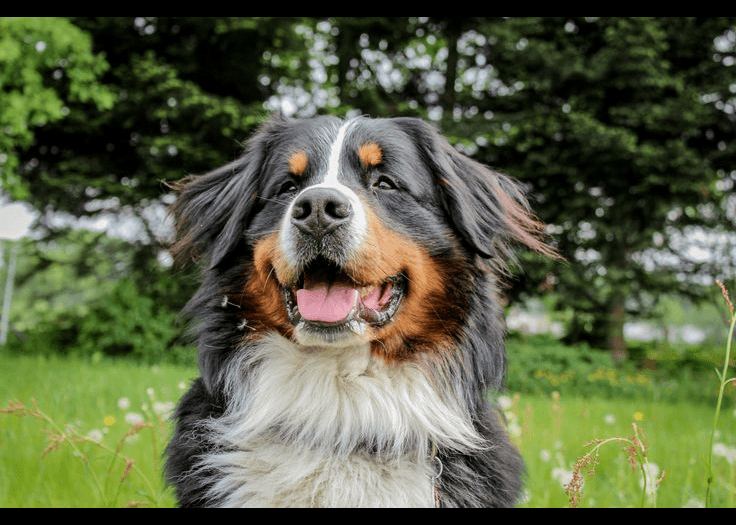
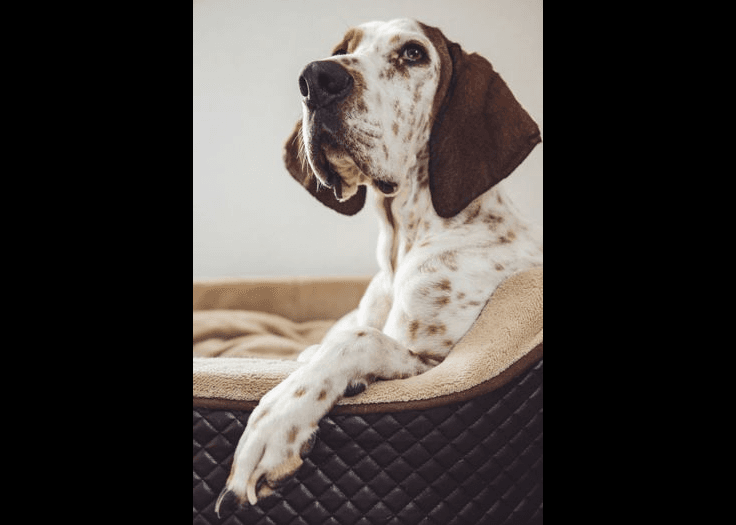
Quick Verdict
Better fit for families with kids
Bernese Mountain Dog
Bernese Mountain Dog: Gentle but largeiGentle and patient, but large size warrants supervision around very young childrenGreat Dane: Supervision near small kidsiGentle temperament, but size alone warrants care around small children — accidental knock-overs are the main concern, not aggression
Bernese Mountain Dog
Bernese Mountain Dog: ManageableGreat Dane: Some challenges
Great Dane
Bernese Mountain Dog: HighiFrequent brushing required; very heavy year-round shedding with intense seasonal blowoutsGreat Dane: LowiShort smooth coat; occasional brushing and bath is sufficient
Neither ideal
Bernese Mountain Dog: Large; heavy shedderiLarge size, very heavy shedding, and daily exercise needs make apartment living challenging for many ownersGreat Dane: Size is the main constraintiSurprisingly calm indoors, but sheer size is the primary limitation — adequate floor space and daily walks are essential; works for some owners in larger apartments
Similar for both
Bernese Mountain Dog: Gentle; good with early introiGentle working-breed temperament; generally good with cats when properly introduced, though the size difference warrants a measured, unhurried introductionGreat Dane: Gentle; size gap needs slow introiCalm, gentle temperament; Great Danes typically get along well with cats when introduced properly — the main concern is size and clumsiness, not aggression
Lower barking tendency
Similar for both
Bernese Mountain Dog: Low to ModerateGreat Dane: Low to Moderate
Verdicts are based on trait ratings. Always evaluate individual dogs and confirm behavior with the shelter, foster, or rescue organization.
Stats at a Glance
| Trait | Bernese Mountain Dog | Great Dane |
|---|---|---|
| Size | Large | Giant |
| Energy | Moderate | Low to Moderate |
| Shedding | High | Moderate |
| Grooming | High | Low |
| Trainability | High | Moderate |
| Barking | Low to Moderate | Low to Moderate |
| Apartment Friendly | Challenging | Possible (space required) |
| Good With Kids | YesGentle but large | OftenSupervision near small kids |
| Good With Dogs | Often, with socialization | Often |
| Good With Cats | Often with socializationGentle; good with early intro | Often with socializationGentle; size gap needs slow intro |
| Daily Exercise | 45–60 min/day | 30–60 min/day |
| Typical Lifespan | 7–10 years | 7–10 years |
| Beginner Friendly | Manageable | Some challenges |
The Bernese Mountain Dog and the Great Dane are both large, gentle, family-oriented working breeds known for their affectionate temperaments and calm presence indoors — and both carry the short lifespan that comes with large body size, typically 7–10 years. Where they diverge is on shedding, grooming demand, physical scale, and trainability. The Bernese brings a demanding triple coat and higher training responsiveness; the Dane is one of the lowest-grooming giant breeds available but presents a more independent training temperament in a significantly larger physical package. For households drawn to both, the decision usually comes down to whether coat maintenance or sheer size is the more manageable daily reality.
Main difference: The Bernese Mountain Dog sheds heavily year-round and requires frequent brushing, but is more trainable. The Great Dane is far easier to groom but is significantly larger and less naturally responsive to training.
Who should choose each breed?
Choose a Bernese Mountain Dog if
- You can commit to frequent brushing and accept year-round heavy shedding as a fixed feature of ownership
- You want a highly trainable large breed that responds well to consistent positive methods
- You have a family setting — the Berner's patient, gentle temperament is broadly well-suited to adults and children alike
- You want more reliable recall and leash manners from your large dog — the trainability advantage matters at this weight class
- You prefer the Berner's slightly more manageable physical scale (70–115 lbs) compared to Dane dimensions
Choose a Great Dane if
- Minimal grooming is a firm requirement — the Dane's short coat is one of the easiest of any giant breed to maintain
- You want a calmer, more moderate daily exercise routine (30–60 min/day) without the Berner's herding-adjacent working energy
- You are drawn to a truly imposing but characteristically gentle presence — the Dane's combination of enormous size and docile temperament is unusual
- You have the space and infrastructure to handle a Giant-class dog safely — appropriate doorways, vehicle, furniture, and floor area
- You have prior large-breed experience and are prepared for the training commitment the Dane's size demands
If adopting through rescue or foster, ask about leash manners and indoor stillness for both breeds — at this weight class, pulling, jumping, and inability to settle are the most consequential behavioral gaps. For Berners, ask about shedding management and whether the dog has been regularly brushed. For Danes, ask about bloat risk history and any cardiac screening. In adult rescue dogs, observed behavior in foster care is far more reliable than breed averages.
Size and build
Both breeds are large, but the Great Dane is substantially bigger. Great Danes are among the tallest dogs in the world, typically standing 28–34 inches at the shoulder and weighing 100–175 pounds. Bernese Mountain Dogs typically stand 23–27 inches and weigh 70–115 pounds. The gap — roughly 30–50 lbs at the top end — has practical consequences for housing, transport, and the physical management of an untrained dog.
Both breeds have a large indoor footprint that requires genuine household adaptation: doors, vehicles, furniture, sleeping arrangements. The Berner's heavy, draft-pulling build is lower and more compact than the Dane's towering, leggy frame. The Dane's height means counter-surfing and table-level access are issues small breeds and even most large breeds never create.
Neither breed is apartment-recommended as a default — the Berner due to size, heavy shedding, and daily exercise needs; the Dane due to sheer physical scale. The distinction is that the Dane's calm indoor character gives it a conditional path: experienced owners in genuinely large apartments sometimes make it work, provided daily walks are non-negotiable and the layout can accommodate a dog this size. That is not an easy bar to clear, and a home with outdoor access remains the right baseline for both breeds.
Temperament and personality
Despite their size, both breeds are characterized by gentle, affectionate temperaments. Both have working heritage — the Berner as a Swiss farm and draft dog, the Dane as a German hunting and estate dog — and both have retained a close, people-oriented disposition that makes them companion animals rather than independently operating guard dogs.
The Bernese Mountain Dog is patient, steady, and attentive to its household. It is an engaged companion that observes, wants to be near people, and responds readily to social cues. Its trainability reflects deep attentiveness as much as food motivation. Berners can be slow to mature — many exhibit puppy-like behavior well into their second and even third year — but the underlying temperament is reliable and consistent. Some Berners are prone to anxiety when left alone for extended periods; gradual alone-time conditioning matters.
The Great Dane earns the description "gentle giant" more than almost any other breed. The contrast between its physical presence and its calm, often passive indoor manner is real — resting adult Danes are notably quiet, low-energy dogs in a household context. Outside, they can carry surprising sprint energy in short bursts, but sustained high activity is not the Dane's character. They are affectionate with their families and generally tolerant of strangers, though the guardian heritage can produce wariness in some lines that surfaces as reserved behavior rather than aggression. Both breeds are rated Low-Moderate for barking — neither is a persistent alarm barker.
Exercise and stimulation needs
Exercise requirements are closer for these two breeds than most large-breed comparisons. Great Danes need 30–60 minutes of daily activity; Bernese Mountain Dogs need 45–60 minutes. The overlap is significant — neither is a high-energy breed demanding extensive athletic output.
The character of exercise matters more than raw minutes. Berners have genuine draft and working heritage that benefits from varied activity, carrying, or hiking alongside their owners. A daily meaningful walk or hike suits the Berner more than treadmill-style repetitive exercise. Great Danes need moderate daily movement but are not mentally stimulation-hungry in the same way — calm indoor time, regular outings, and low-intensity engagement satisfy them well.
One important constraint for both breeds, but especially Great Danes: avoid high-impact exercise in puppyhood. Both are prone to joint and bone development concerns, and premature high-intensity running or jumping during growth phases raises structural injury risk. Controlled exercise during the first two years matters.
Shedding and grooming
Shedding and grooming are the clearest practical differentiator between these two breeds on a day-to-day basis.
Bernese Mountain Dog grooming is rated High with Very High shedding. The thick, long triple coat loses hair continuously and intensifies massively during seasonal blowouts — typically twice a year in spring and autumn, but in many households the heavy shedding is present year-round at some level. Brushing several times a week is necessary to prevent matting and to manage the indoor hair load; during blowouts, daily brushing is appropriate. Professional grooming helps maintain the coat but does not replace the home brushing commitment. Owners should expect dog hair as a permanent, consistent feature of their home and clothing.
Great Dane grooming is rated Low with Moderate shedding. The short, smooth single coat is one of the easiest of any large breed to maintain — occasional brushing, a monthly bath, and routine nail care are the core requirements. Moderate shedding produces consistent but manageable coat loss that responds well to regular brushing. The Dane's grooming requirement is one of its most underappreciated practical advantages relative to other large and giant breeds.
For households where coat maintenance is a significant concern — either due to allergy sensitivity, living space, or lifestyle — this gap should be weighted heavily in the decision.
Training and behavior
Trainability is a meaningful practical difference, and at large-breed weights, its consequences are amplified.
The Bernese Mountain Dog is rated High for trainability — attentive, responsive to reward-based methods, and capable of learning commands and routine reliably with consistent practice. Berners engage with training sessions and retain what they learn well. Their sensitivity means positive reinforcement works well; harsh or inconsistent handling causes them to become tentative. Early socialization and consistent handling from puppyhood shapes a reliable, well-mannered adult dog.
The Great Dane is rated Moderate — intelligent but more independent, often slower to engage with structured training and less motivated by repetitive drilling. Danes respond to clear, calm leadership and positive reinforcement, but the training timeline is longer and gaps in early training are harder to recover from once the dog is 100+ lbs. Leash manners, recall, and door/threshold etiquette are particularly important to establish early. A Dane that has not been trained to walk calmly on lead is a genuine physical management problem that is difficult to address reactively.
Both breeds have Low-Moderate barking — neither is a typical alarm barker, and in-home noise is not a significant management challenge for either.
Family fit
Which is better for families with kids?
The Bernese Mountain Dog has a slight edge. It is rated Yes for kids — patient, gentle, and broadly well-suited to family settings including younger children. The Berner's attentiveness and trainability also mean that behavior around children can be reliably shaped with consistent handling.
The Great Dane is rated Often — genuinely good with children in temperament, but the physical scale introduces a caveat that is not about aggression: a dog that weighs 150 lbs can knock over a toddler by turning around. The Dane's naturally calm indoor character mitigates this considerably, but the physical reality requires honest acknowledgement in households with very young children.
With older children and teenagers who can interact safely with a large dog, Great Danes are often excellent family companions. Both breeds should be supervised around children, and all children in the household should be taught how to interact respectfully with a large dog. See best dogs for families for broader guidance.
Which is easier for first-time owners?
The Bernese Mountain Dog scores 3/5 for beginner friendliness; the Great Dane scores 2/5. Neither is recommended as a first dog without preparation and ideally some prior large-breed experience.
The Berner's higher trainability makes it more forgiving of early handling inconsistency — training progress comes faster, and corrections take hold more readily. The grooming commitment is demanding, but predictable and manageable once understood.
The Great Dane's lower beginner score reflects two things: the training patience required for a more independent temperament, and the physical consequence of getting that training wrong at giant-breed weight. A first-time owner who underestimates leash and boundary training in a Dane puppy will have a more difficult recovery path than they would with most other breeds. That said, well-prepared first-time owners who do the work produce excellent Danes — the breed is not inherently difficult, it is physically consequential.
Health considerations
Both breeds have similar lifespans — typically 7–10 years — and prospective owners of either should understand this clearly before committing. The emotional and financial implications of a shorter-lived dog are real: the relationship is compressed, and end-of-life costs in large breeds are proportionally higher.
Bernese Mountain Dog health
The Bernese Mountain Dog has one of the highest cancer mortality rates of any breed — estimates consistently place cancer as the cause of death in 40–50% of Berners. Multiple cancer types are overrepresented, including histiocytic sarcoma, which is particularly prevalent in the breed, as well as mast cell tumors and osteosarcoma. This is not a minor statistical note — it is a defining feature of the breed's health profile that should inform decisions about health insurance, veterinary monitoring frequency, and financial planning. Hip and elbow dysplasia are also common and warrant OFA screening in breeding lines. Degenerative myelopathy is documented in the breed. Bloat, while present, is less extreme a risk than in the Great Dane.
Great Dane health
The Great Dane's signature health risk is bloat (Gastric Dilatation-Volvulus, GDV) — a life-threatening condition in which the stomach fills with gas and twists, cutting off blood supply. Deep-chested giant breeds are at significantly elevated risk, and GDV can become fatal within hours without emergency surgery. Many Dane owners opt for prophylactic gastropexy (surgical stomach tacking) to eliminate the twist risk — a procedure often done at the time of spay or neuter. Dilated Cardiomyopathy (DCM) is another breed-associated condition — a form of heart disease that affects the Dane at higher rates than the general population and warrants cardiac monitoring in adult dogs. Osteosarcoma (bone cancer) is more prevalent in giant breeds broadly, including the Dane. Hip dysplasia and Wobbler syndrome (cervical spinal instability causing gait abnormalities) are also documented.
The Bernese's cancer burden and the Dane's bloat and cardiac risks represent different types of health management commitment — Berners often require more cancer monitoring and oncology decisions; Danes require more proactive structural health management (gastropexy, cardiac screening) from the outset.
Cost comparison
These are rough planning ranges. Actual costs vary significantly by region, insurance, adoption source, and individual dog health history.
| Cost area | Bernese Mountain Dog | Great Dane |
|---|---|---|
| Food (monthly) | $65–$100 | $80–$130 |
| Grooming upkeep (monthly avg) | $50–$80 | $10–$20 |
| Routine vet care (monthly avg) | $40–$70 | $40–$70 |
| Training / socialisation (est. first year) | $200–$400 | $200–$400 |
| Estimated ongoing monthly budget | $155–$250 | $130–$220 |
Food costs reflect the Dane's greater body weight — it consistently eats more than even a large Berner. Grooming costs are the dominant variable in the other direction — Berner owners carry a recurring professional and home-grooming expense that Dane owners largely do not. Routine vet costs are similar by weight class. Both breeds generate above-average health expenditure over their lifetimes due to their respective breed-specific conditions: Berner cancer screening and treatment costs are a real planning factor; Dane gastropexy, cardiac monitoring, and osteosarcoma risk should all be budgeted for. Both breeds strongly warrant pet health insurance evaluated before purchase or adoption.
For broader budgeting guidance, see How Much Does a Dog Cost Per Month?
Final decision: Bernese Mountain Dog or Great Dane?
Both breeds reward owners who go in clear-eyed about the large-breed commitment: the space requirements, the physical management, the shorter lifespan, and the veterinary planning that comes with a dog in this size range.
Choose a Bernese Mountain Dog if you want a more trainable, family-oriented large breed and you can genuinely accommodate the shedding and grooming commitment. The Berner's responsiveness to training and patient household temperament make it one of the more enjoyable large breeds to live with for owners who meet it where it needs to be met — frequently groomed, well-exercised, and kept close to its family.
Choose a Great Dane if minimal grooming is important, you have the space and vehicle infrastructure for a giant dog, and you are prepared to invest specifically in early training to compensate for the breed's more independent learning pace. The Dane's calm indoor character and genuinely gentle temperament make it a surprisingly liveable giant for households that understand what they are taking on — but low grooming burden does not mean low-complexity ownership. At giant-breed scale, training gaps, healthcare management, and the physical demands of the dog's size require the same serious preparation regardless of coat type.
Both breeds have short lifespans by most dog standards. Meeting individual dogs through shelters, rescue organizations, or foster care will tell you more than any comparison. For dogs adopted as adults, a foster caregiver can document energy level, indoor behavior, and how the dog handles strangers — information that matters especially at giant-breed scale. These profiles are also useful for evaluating large mixed-breed dogs at general shelters that share characteristics with either breed. Whichever dog you choose, start training from day one.