Miniature Schnauzer vs Miniature Poodle: Barking & Apartment Fit
Compare Miniature Schnauzer vs Miniature Poodle on barking, apartment fit, trainability, and temperament to find the right small low-shedding dog for your home.
Updated

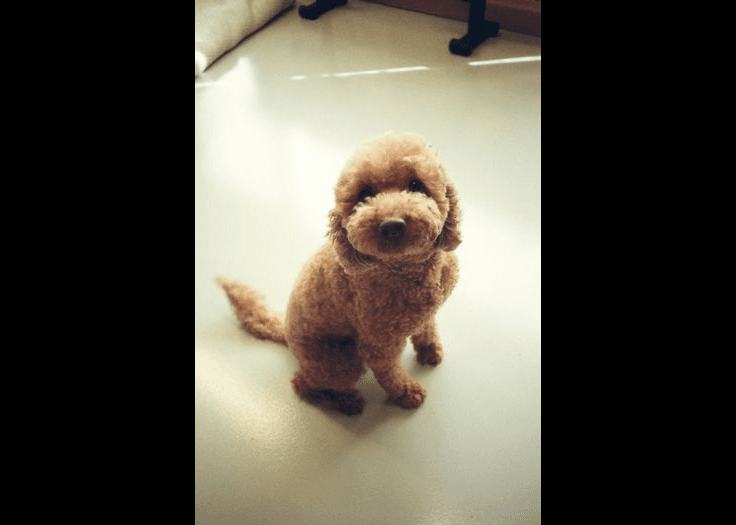
Quick Verdict
Better fit for families with kids
Miniature Poodle
Miniature Schnauzer: Supervision; avoid rough handlingiPlayful and engaged with children, but terrier temperament means they may nip if startled or handled roughly; supervision and teaching calm handling matter more than a specific age cutoffMiniature Poodle: Sensitive; suits older, gentle childreniAffectionate and adaptable in family settings; works well with children when properly socialized and when children are taught respectful handling — a dog that is overwhelmed or mishandled may snap defensively
Miniature Poodle
Miniature Schnauzer: ManageableMiniature Poodle: Beginner-friendly
Lower barking tendency
Miniature Poodle
Miniature Schnauzer: Very HighMiniature Poodle: Low to Moderate
Miniature Poodle
Miniature Schnauzer: Rat-hunting heritageiBred originally to hunt rats and mice, which means small, fast-moving animals like cats can trigger prey behaviors; some Miniature Schnauzers live calmly with cats they were raised with, but early introduction and ongoing management are needed regardlessMiniature Poodle: Adaptable with proper introiGenerally good with cats when introduced early; moderate energy and intelligence mean they can learn to coexist without difficulty
Miniature Poodle
Miniature Schnauzer: Vocal; barking management needediPhysically well-suited to apartments, but high vocal alertness means barking must be actively managed — not set-and-forget — for shared-wall living to workMiniature Poodle: Small size; consistent exercise needediSmall size and moderate exercise needs suit apartment living well; consistent daily walks and mental stimulation are required to keep the dog settled indoors
Miniature Schnauzer
Miniature Schnauzer: Moderate to HighMiniature Poodle: Moderate
Verdicts are based on trait ratings. Always evaluate individual dogs and confirm behavior with the shelter, foster, or rescue organization.
Stats at a Glance
| Trait | Miniature Schnauzer | Miniature Poodle |
|---|---|---|
| Size | Small | Small |
| Energy | Moderate to High | Moderate |
| Shedding | Low | Low |
| Grooming | High | High |
| Trainability | High | Very High |
| Barking | Very High | Low to Moderate |
| Apartment Friendly | Possible (with training) | Yes |
| Good With Kids | OftenSupervision; avoid rough handling | Yes (with supervision)Sensitive; suits older, gentle children |
| Good With Dogs | OftenSocialization reduces assertiveness | Often |
| Good With Cats | Possible with managementRat-hunting heritage | Often with socializationAdaptable with proper intro |
| Daily Exercise | 45–60 min/day | 40–60 min/day |
| Typical Lifespan | 12–15 years | 12–16 years |
| Beginner Friendly | Manageable | Beginner-friendly |
Both the Miniature Schnauzer and Miniature Poodle are small, low-shedding dogs from German working backgrounds that consistently surface together in lifestyle-matching tools, because on paper they look very similar. Both are in the Small size class, both shed minimally, both need professional grooming every six to eight weeks, and both require around 40–60 minutes of daily exercise. What separates them is temperament. The Miniature Schnauzer is a terrier: confident, alert, vocal, and independent. The Miniature Poodle is a companion breed: eager-to-please, highly trainable, and meaningfully quieter. For households where barking management in shared-wall buildings matters, that temperament gap is the decision.
Main difference: The Miniature Schnauzer's Very High barking and terrier independence are the primary constraints; the Miniature Poodle's Very High trainability and Low-Moderate barking make it the more straightforward choice for apartments and first-time owners.
Who should choose each breed?
Choose a Miniature Schnauzer if
- You live in a house or a building where moderate-to-high barking is tolerable, and you are prepared to actively manage vocalization as part of daily life
- You want a dog with genuine character: spirited, confident, self-assured, and alert rather than simply compliant
- Your household has no cats or small animals, or you can commit to supervised management of a High prey drive
- You are an experienced dog owner, or prepared to handle a breed that learns well but applies its own judgment
Choose a Miniature Poodle if
- You live in an apartment or shared-wall housing and need reliable, low-barking behavior without active management
- You are a first-time owner or want the most straightforward training experience available in a small breed
- Your household includes cats or other small pets — the Poodle's Low prey drive is a meaningful practical advantage
- You want a closely bonded, cooperative companion that responds consistently to your cues
Size and build
Both breeds are in the Small size class and fit comfortably in any living situation physically. The Miniature Schnauzer is typically 11–14 inches at the shoulder and 11–20 pounds, with a compact, square build: muscular relative to its size, with a characteristic wiry double coat, bushy eyebrows, full beard, and leg furnishings. The Miniature Poodle stands 10–15 inches and weighs 10–15 pounds, with a slightly more elegant frame: longer legs relative to body length, athletic and lighter in build than the Schnauzer.
Neither breed is physically fragile or requires special accommodation. Both travel easily, fit comfortably in smaller living spaces, and can be managed on lead without difficulty. The practical handling difference between them is in character, not in any significant size or weight distinction. The Schnauzer's compact solidity contrasts with the Poodle's athletic lightness, but neither poses any size-related challenge to daily life.
Temperament and personality
The Miniature Schnauzer is a terrier. That label carries real meaning: terriers were bred to work independently, pursue quarry with determination, and alert loudly to anything out of the ordinary. The Miniature Schnauzer is intelligent and socially engaged, but its engagement comes with a point of view. It will learn what you teach it, and it will also decide which of those lessons applies in a given moment. The same instinct that makes it a reliable watchdog, quick to react to sounds, movement, or strangers, also means vocalization is a default response rather than an exceptional one.
The Miniature Poodle has a working retriever background, which produces a different kind of intelligence: less independent, more attuned to its handler. Miniature Poodles are closely bonded to their households, sensitive to mood and cue, and consistently oriented toward cooperation. They are playful and engaged, but calibrated toward connection rather than assertion. What they share with the Schnauzer is genuine intelligence and a need for engagement — a bored Miniature Poodle will also find ways to occupy itself, and those ways are not always welcome.
Both breeds have Moderate alone-time tolerance, meaning they can handle a standard working day with appropriate conditioning, but neither should be left alone for extended hours routinely without structured adjustment.
Exercise and stimulation needs
Daily exercise needs are nearly identical. The Miniature Schnauzer needs 45–60 minutes per day; the Miniature Poodle needs 40–60 minutes. In practice, two purposeful daily walks plus some indoor engagement covers both breeds. Neither requires a yard or extended outdoor distance.
The difference shows up in how unmet energy expresses. The Miniature Schnauzer's Moderate-High energy, combined with its terrier alertness, can translate into increased barking and restlessness when exercise needs are not met, which compounds the barking issue in apartment settings. The Miniature Poodle's Moderate energy produces more settled indoor behavior once basic exercise needs are satisfied, though its mental stimulation requirements are equally real: Poodles were bred to think and work, and puzzle feeders, training games, and structured learning are standard rather than optional management tools.
Shedding and grooming
Both breeds are rated Low for shedding. Neither produces significant loose fur on furniture, clothing, or floors. This shared trait is a primary reason both surface in low-shedding searches and lifestyle-matching tools.
Low shedding does not mean low grooming. Both breeds require professional grooming on a regular schedule.
The Miniature Schnauzer's wiry double coat needs professional clipping every 6–8 weeks at $60–$90 per appointment. Some owners and breeders prefer hand-stripping, which preserves the authentic rough texture of the wire coat but is more labor-intensive and typically costs $80–$120 or more per session. Between appointments, the beard, eyebrows, and leg furnishings need regular brushing to prevent matting.
The Miniature Poodle's curly coat requires clipping every 4–8 weeks at $45–$75 per appointment, with daily brushing between sessions to keep the coat tangle-free. Poodle coats mat quickly without consistent home maintenance, which is a genuine daily commitment rather than an occasional task. Both breeds carry a real grooming cost and require owners who will maintain that schedule reliably.
Training and behavior
Both breeds are intelligent and respond well to training, but the experience of training them is noticeably different.
The Miniature Poodle is rated Very High for trainability, one of the highest ratings of any breed. It picks up new behaviors quickly, retains them reliably, and actively engages with training sessions. Reward-based methods are highly effective. Problem behaviors are addressable with consistency; the breed does not test boundaries as a default mode.
The Miniature Schnauzer is rated High for trainability: capable and responsive, but with a terrier's characteristic selectivity. A Schnauzer learns effectively when properly motivated and when sessions are engaging, but it is more likely to test the limits of a cue or offer a creative interpretation when it sees an advantage. Experienced handlers typically find this quality interesting; owners who expect the consistent compliance of a retriever-type breed may be surprised.
The most significant behavioral gap is barking. The Miniature Schnauzer is rated Very High for barking. It alerts to sounds, movement, and strangers by instinct. Barking can be reduced through consistent management, but it remains a structural characteristic of the breed and a realistic constraint in shared-wall housing. The Miniature Poodle is rated Low-Moderate for barking, a meaningfully quieter baseline that requires considerably less active management day to day.
Apartment and family fit
Which is better for apartments?
The Miniature Poodle is rated Yes for apartment suitability. The Miniature Schnauzer is rated Possible (with training). Both breeds fit the physical constraints of apartment living — size is not the issue. The Schnauzer's Very High barking tendency is. Schnauzers alert to hallway footsteps, outdoor sounds, other dogs, and movement near the door. With consistent training this can be reduced, but it does not reliably approach the quiet baseline of the Miniature Poodle in a shared-wall environment.
If barking is not a constraint in your housing context, the Schnauzer's apartment suitability improves. If noise management is a real requirement, the Miniature Poodle is the more reliable choice. See Best Dogs for Apartments for a broader look at what apartment suitability actually requires across breed characteristics.
Which is better for families with kids?
The Miniature Poodle has a slightly higher family rating: Yes (with supervision) versus the Schnauzer's Often. Both breeds are playful and engaged with children, but the Schnauzer's terrier temperament means it is more likely to nip or snap if startled or handled roughly. That gap is most material with toddlers and very young children who are still learning appropriate dog handling. For families with older, calmer children who understand how to interact with dogs, both breeds are viable and the Schnauzer's spirited character can be a genuine asset. Supervision remains standard practice for all small dogs with young children regardless of breed.
Cost comparison
These are planning ranges. Regional variation, adoption source, insurance, and individual health history all affect actuals.
| Cost area | Miniature Schnauzer | Miniature Poodle |
|---|---|---|
| Food (monthly) | $30–$45 | $25–$40 |
| Grooming upkeep (monthly avg) | $45–$80 | $40–$75 |
| Routine vet care (monthly avg) | $30–$60 | $30–$60 |
| Preventatives | $20–$40 | $20–$40 |
| Estimated ongoing monthly range | $125–$225 | $115–$215 |
Ongoing monthly costs are similar for both breeds. Both require professional grooming; the Miniature Poodle's clipping frequency can run slightly higher (every 4–8 weeks versus 6–8 weeks for the Schnauzer), partially offsetting the Schnauzer's occasionally higher per-appointment cost when hand-stripping is chosen. Neither breed generates material cost differences from food or medication at this weight range.
For broader budgeting guidance, see How Much Does a Dog Cost Per Month? or use the Monthly Cost Calculator for a personalized breakdown.
Final decision: Miniature Schnauzer or Miniature Poodle?
The Miniature Schnauzer and Miniature Poodle appear on the same shortlists for good reason: both are small, low-shedding, intelligent dogs with similar exercise needs and grooming costs. The decision between them is about temperament and living situation, not budget or size.
Choose the Miniature Schnauzer if you want a terrier: a confident, vocal, spirited dog that brings watchdog alertness and genuine character. It works best in a home where that energy is welcome and barking is not a structural problem.
Choose the Miniature Poodle if you want trainability, a quieter baseline, and cooperative companionship. It is one of the most consistent choices for first-time owners, apartment households, and anyone sharing their home with cats or young children.
These breed profiles describe trait patterns that apply to any dog you evaluate, at a shelter, through a rescue organization, or in a foster home. Dogs with Schnauzer-type characteristics — wire coat, terrier alertness, and working drive — or Poodle-type characteristics — curly coat, high trainability, and companion orientation — appear in many dogs regardless of documentation. If you are evaluating a dog in person, the temperament markers in this comparison remain useful reference points. The Adoption Readiness Guide can help you prepare for that evaluation.