Miniature Poodle vs Shih Tzu: Training, Grooming & Alone Time
Compare Miniature Poodle vs Shih Tzu on trainability, grooming, alone-time tolerance, and apartment fit to find the right small companion breed for your home.
Updated
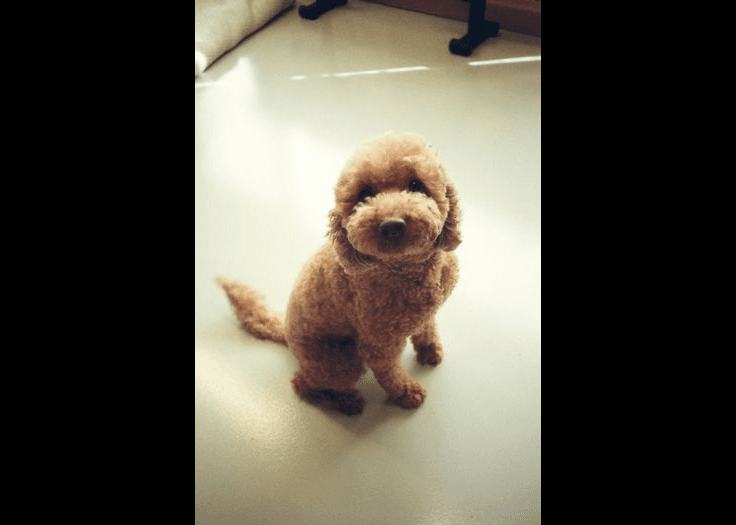
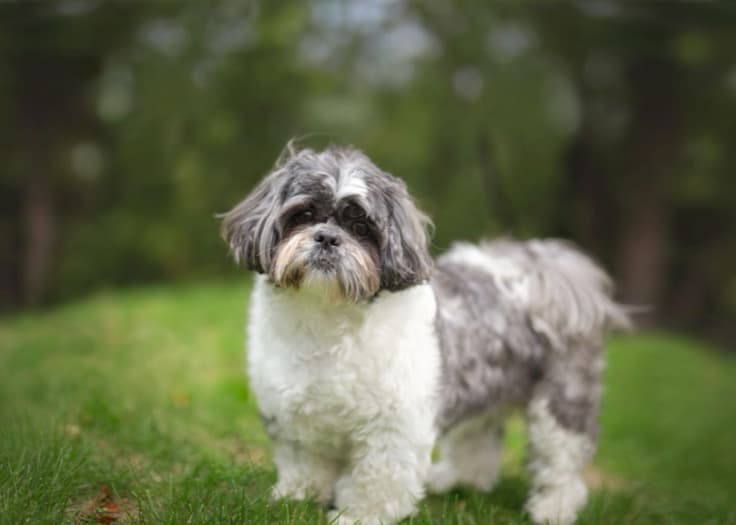
Quick Verdict
Better fit for families with kids
Both suitable with supervision
Miniature Poodle: Sensitive; suits older, gentle childreniAffectionate and adaptable in family settings; works well with children when properly socialized and when children are taught respectful handling — a dog that is overwhelmed or mishandled may snap defensivelyShih Tzu: best with older, calmer childreniGentle and affectionate; fragility at the lower end of the weight range means supervision and calm handling matter, and the breed suits older or quieter children better than households with very young, rough-playing kids
Both beginner-friendly, with different tradeoffs
Miniature Poodle: Beginner-friendlyShih Tzu: Beginner-friendly
Lower barking tendency
Miniature Poodle
Miniature Poodle: Low to ModerateShih Tzu: Moderate to High
Shih Tzu
Miniature Poodle: Adaptable with proper introiGenerally good with cats when introduced early; moderate energy and intelligence mean they can learn to coexist without difficultyShih Tzu: Gentle; typically fineiBred purely for companionship with minimal hunting drive; Shih Tzus typically coexist peacefully with resident cats
Better alone-time tolerance
Miniature Poodle
Miniature Poodle: ModerateShih Tzu: Low
Verdicts are based on trait ratings. Always evaluate individual dogs and confirm behavior with the shelter, foster, or rescue organization.
Stats at a Glance
| Trait | Miniature Poodle | Shih Tzu |
|---|---|---|
| Size | Small | Small |
| Energy | Moderate | Low |
| Shedding | Low | Low to Moderate |
| Grooming | High | High |
| Trainability | Very High | Moderate |
| Barking | Low to Moderate | Moderate to High |
| Apartment Friendly | Yes | Yes |
| Good With Kids | Yes (with supervision)Sensitive; suits older, gentle children | Yes (with supervision)best with older, calmer children |
| Good With Dogs | Often | Often |
| Good With Cats | Often with socializationAdaptable with proper intro | OftenGentle; typically fine |
| Daily Exercise | 40–60 min/day | 20–40 min/day |
| Typical Lifespan | 12–16 years | 12–16 years |
| Beginner Friendly | Beginner-friendly | Beginner-friendly |
The Miniature Poodle and Shih Tzu are two of the most popular small companion breeds, and on paper they look nearly identical: both are small, low-shedding, high-grooming, apartment-compatible dogs with similar lifespans and similar beginner-friendliness scores. The differences that actually drive the decision are subtler — trainability, daily activity, and how each breed handles time without their household. Those gaps are real, and they matter for day-to-day ownership in ways the surface stats don't fully capture.
Main difference: The Miniature Poodle is significantly more trainable and handles time alone more comfortably, making it the more self-sufficient daily companion. The Shih Tzu is more relaxed and lap-oriented, suits households with consistent at-home presence, and does not need the structured daily activity the Poodle requires.
Who should choose each breed?
Choose a Miniature Poodle if
- Trainability matters — the Miniature Poodle is one of the most responsive companion breeds available, making consistent behavior and recall training substantially easier
- You work outside the home or have periods away daily; Moderate alone-time tolerance is meaningfully better than the Shih Tzu's Low rating
- You want an engaged, mentally active companion rather than a purely lap-oriented dog
- You can provide 40–60 minutes of structured daily exercise and mental stimulation
Choose a Shih Tzu if
- A more relaxed, unhurried companion suits your lifestyle; the Shih Tzu needs only 20–40 minutes of daily exercise and is content to rest for long stretches
- Someone is home for most of the day — the Shih Tzu's Low alone-time tolerance is less of a concern in households with consistent at-home presence
- A slightly smaller dog is important; while weight ranges overlap, Shih Tzus trend toward the smaller end of small-breed
- You prefer a steadier, more settled temperament over a more engaged, trainability-oriented dog
Size and build
The physical difference between these breeds is narrow. The Miniature Poodle typically weighs 10–15 pounds; the Shih Tzu typically weighs 9–16 pounds. The ranges overlap substantially. Both are classified as Small.
In practice, the builds differ. The Miniature Poodle has a more athletic, lightly built frame — longer legs, narrower body, and a more active bearing. The Shih Tzu is more compact and stocky with a shorter muzzle and flatter face, which gives it a slightly more sedentary physical profile and limits its aerobic capacity to some degree. The Shih Tzu's brachycephalic structure is generally mild — less severe than a Bulldog or French Bulldog — but still means it should not be pushed in heat or during vigorous exertion.
Both breeds are small enough to be physically manageable in any apartment, elevator, or urban environment.
Temperament and personality
This is where the breeds diverge most meaningfully despite their surface similarities.
The Miniature Poodle is bright, engaged, and curious. It picks up on patterns and routines quickly, responds well to its household's cues, and is generally interested in interacting with and learning from the people around it. This attentiveness makes it easier to train and easier to live with in terms of predictable behavior — but it also means the Poodle needs mental stimulation as well as physical exercise. A Miniature Poodle that is under-exercised or bored will find its own outlets, which are rarely the ones owners prefer.
The Shih Tzu is warmer, more placid, and more lap-focused. It does not seek engagement in the same way — it seeks proximity and closeness. Shih Tzus are affectionate without being demanding for activity, and they are perfectly content to follow their owner from room to room and settle. This temperament suits a lower-stimulation household well. The trade-off is that the Shih Tzu is more vocal by default — more reactive to sounds, visitors, and environmental changes — and its barking tends to be the behavioral challenge owners invest the most time managing.
Neither breed has significant prey drive or territorial instinct, and both are generally good with other household animals.
Exercise and stimulation needs
The Miniature Poodle needs 40–60 minutes of daily activity — two moderate walks with some free play or structured enrichment in between. This is not demanding by breed standards, but it is consistent: a Miniature Poodle that misses exercise regularly becomes restless and more likely to bark or pace indoors. Mental stimulation matters as much as physical exercise for this breed — short training sessions, puzzle feeders, and novel experiences all count.
The Shih Tzu needs only 20–40 minutes of daily activity — short, low-intensity walks are sufficient. Its exercise ceiling is naturally lower due to its flat-faced structure and genuinely unhurried temperament. It will not self-exercise or push for more than it needs.
For very time-pressed owners, the Shih Tzu's lower activity requirement is a real advantage. For owners who enjoy structured dog activities and want a more participatory companion, the Miniature Poodle's engagement is a feature rather than a burden.
Grooming and coat care
Both breeds are High-maintenance on grooming, and this is one of the clearest similarities between them. Neither is a realistic choice for owners looking to avoid a professional grooming schedule.
Miniature Poodle: Professional clipping every 4–8 weeks, plus daily or near-daily brushing at home to prevent matting between appointments. Budget $50–$100 per month on average for professional grooming. Many owners opt for a shorter all-over clip, which reduces but does not eliminate the home maintenance requirement.
Shih Tzu: Professional clipping every 6–8 weeks, plus daily brushing to prevent matting. Budget $50–$100 per month. The Shih Tzu's coat is long and flowing in its natural state, which is beautiful but demanding — short clips are the practical choice for most pet owners.
Both breeds are Low-shedding, which means minimal loose fur on furniture and clothing. The coat that would otherwise shed stays on the dog and requires removal by brushing and clipping. That is the mechanism behind both the low-shedding benefit and the high-maintenance requirement — they are the same thing.
Trainability and behavior
The trainability gap between these breeds is one of the largest between any two comparably popular small companions.
The Miniature Poodle is rated Very High for trainability. House-training, recall, leash manners, and basic obedience come quickly and stick reliably with consistent positive reinforcement. The Poodle retains commands well and generalizes learning — skills taught in one context transfer to new situations more readily than with most breeds. This makes life with a Miniature Poodle noticeably easier on the behavioral management front, especially for owners who want consistent, reliable responses.
The Shih Tzu is rated Moderate for trainability. It is not resistant or uncooperative, but it is less interested in compliance for its own sake and more variable in follow-through. Recall and leash manners take longer to establish and need more reinforcement to maintain. Its Moderate-High barking is the behavior most owners find challenging: the Shih Tzu is reactive to sounds and visitors by default, and its bark can be persistent. Reducing it requires deliberate training from early on — it does not typically self-resolve.
For first-time dog owners who want a manageable behavioral baseline, the Miniature Poodle's responsiveness is a significant advantage.
See Easiest Dogs to Train for broader trainability comparisons across breeds.
Apartment and household fit
Apartment suitability
Both breeds are rated Yes for apartment suitability, and both are practical in shared-wall buildings. The Miniature Poodle's Low-Moderate barking is manageable with consistent training. The Shih Tzu is rated Moderate-High — more reactive by nature — plan to invest in barking management from day one.
The Miniature Poodle's higher exercise requirement means that a tight daily walk schedule matters more: a Poodle that misses exercise will be more restless and more vocal indoors. The Shih Tzu's lower threshold makes it more forgiving of the occasional low-activity day.
See Best Dogs for Apartments for a broader look at apartment-compatible breeds.
Alone-time tolerance
This is one of the most practically significant differences between these breeds. The Miniature Poodle is rated Moderate — it can settle for several hours with proper daily exercise and a consistent routine. The Shih Tzu is rated Low — it bonds closely and does not cope well with extended daily absences.
For owners who work outside the home regularly, this gap matters substantially. Neither breed is an independent dog by nature, but the Miniature Poodle's higher tolerance gives significantly more flexibility than the Shih Tzu for households where someone is not home most of the day.
Children and other pets
Both breeds are rated Yes (with supervision) for children compatibility. Both suit older, calmer children better than households with very young or rough-playing kids — their small frames and sensitive temperaments mean gentle handling matters. Both breeds are generally good with cats and other dogs with standard socialization.
Cost comparison
These ranges are planning estimates. Regional variation, individual health history, and grooming preferences all affect actuals.
| Cost area | Miniature Poodle | Shih Tzu |
|---|---|---|
| Food (monthly) | $25–$45 | $20–$40 |
| Grooming (monthly avg) | $50–$100 | $50–$100 |
| Routine vet care (monthly avg) | $30–$55 | $30–$55 |
| Estimated ongoing monthly range | $105–$200 | $100–$195 |
The costs are nearly identical. Both breeds fall in the small-high-grooming tier, and neither carries elevated health costs from structural or orthopedic risk at the scale of brachycephalic or giant breeds. The Miniature Poodle's food cost is marginally higher given its slightly higher activity level. Grooming is the dominant variable cost for both breeds.
For a detailed breakdown, see How Much Does a Dog Cost Per Month? or use the Monthly Cost Calculator.
Final decision: Miniature Poodle or Shih Tzu?
These two breeds are closer than almost any other small-companion pair on this site. They share the same lifespan (12–16 years), the same grooming burden, the same shedding profile, the same apartment suitability, and the same cost structure. The decision comes down to two questions.
Do you work outside the home regularly? If yes, the Miniature Poodle's Moderate alone-time tolerance makes it the more workable choice. The Shih Tzu's Low rating is a real concern for owners with standard work schedules.
How important is training responsiveness to you? If consistent behavior, fast recall, and reliable compliance matter, the Miniature Poodle's Very High trainability is a clear advantage over the Shih Tzu's Moderate. If you are content with a less formally trained, more free-spirited companion and the behavioral management that entails, the Shih Tzu's relaxed temperament can be exactly what you want.
If those two factors are not significant considerations — if you are home most of the day and training responsiveness is not a priority — the Shih Tzu's warmer, more lap-oriented style is appealing, and many owners find it the more personally satisfying of the two.
If you are evaluating a dog at a shelter, rescue organization, or through a foster network, these traits show up in individual dogs regardless of breed documentation. A small dog showing high engagement with people, fast learning, and willingness to comply likely has the Poodle-type profile. A small dog that is affectionate, relaxed, and lap-seeking but slower to respond to commands likely has the Shih Tzu-type profile. A dog coming out of foster care will have documented behavioral history that can give you more specific guidance on either dimension. The Adoption Readiness Guide can help you prepare for that process.