American Pit Bull Terrier: Temperament, Drive & Care
Learn about American Pit Bull Terrier temperament, dog selectivity, housing restrictions, exercise needs, and how to evaluate any pit bull-type dog.
Updated
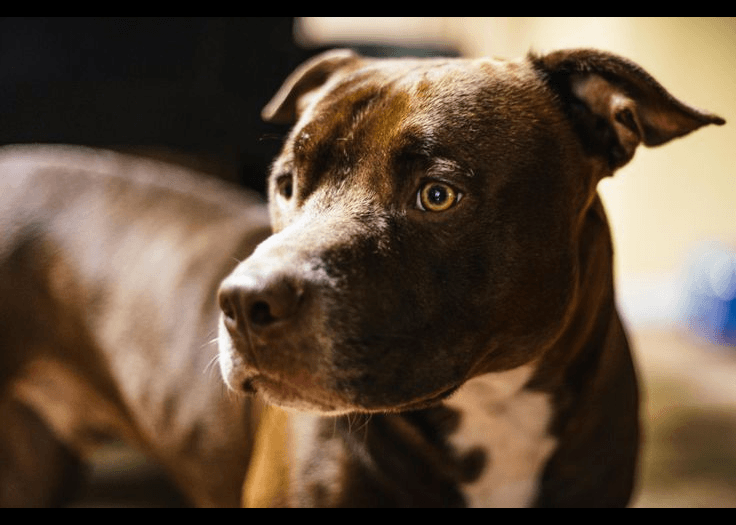
Stats at a Glance
- Size
- Medium
- Energy
- High
- Shedding
- Low
- Trainability
- High
- Apartment
- Possible (daily exercise required)i
- Strength and BSL risk
- Grooming
- Lowi
- Barking
- Moderate
- Exercise
- 60–90 min
- With Kids
- Yes (with supervision)i
- supervision; manage strength
- With Dogs
- Varies widelyi
- Individual assessment essential
- With Cats
- Possible with managementi
- Prey drive varies; intro carefully
- Origin
- United States / United Kingdom
Trait Score Snapshot
The American Pit Bull Terrier is a medium-sized, athletic, people-oriented dog recognized by the United Kennel Club (UKC). The name is also the source of one of the most widespread sources of confusion in dog ownership: "pit bull" is commonly used as a type label, not a precise breed name, and in shelters and rescue listings it may describe American Pit Bull Terriers, American Staffordshire Terriers, Staffordshire Bull Terriers, American Bullies, and a wide range of mixed-breed dogs with physically similar traits.
This guide uses "American Pit Bull Terrier" as the specific breed. Where the information applies more broadly to any dog carrying similar traits under the "pit bull" label, that is noted explicitly.
This guide is informational and not veterinary advice. Consult a licensed veterinarian for medical concerns.
Bottom line: A well-matched American Pit Bull Terrier is an athletic, affectionate, and highly trainable companion for the right household. The right household is one that can provide daily structured exercise, consistent training, informed management of dog-to-dog introductions, and clear-eyed awareness of housing and insurance restrictions. For anyone evaluating a "pit bull" at a shelter or rescue, the most important factor is direct assessment of that specific dog, not breed generalization.
What is a "pit bull"?
"Pit bull" is a colloquial label, not a single recognized breed. It covers:
- American Pit Bull Terrier (UKC-recognized; the specific subject of this page)
- American Staffordshire Terrier (AKC-recognized; closely related ancestry)
- Staffordshire Bull Terrier (AKC- and UKC-recognized; smaller, UK origin)
- American Bully (more recently developed, UKC-recognized)
- Mixed-breed dogs with physical traits associated with the above
In shelter intake, any muscular, short-coated, medium-sized dog with a broad head is frequently labeled "pit bull" regardless of actual breed composition. Research consistently shows that visual breed identification in shelters is unreliable, including among trained staff.
This matters practically: housing and insurance policies that restrict "pit bulls" may apply to any of the above, or to any dog labeled as such, regardless of verified breed background.
Size & lifespan
Most adult American Pit Bull Terriers weigh 30–65 pounds and stand 17–21 inches at the shoulder. Males tend toward the higher end of both ranges; females toward the lower.
The typical lifespan is 12–14 years, above average for a breed of this size and build.
History & origin
The American Pit Bull Terrier traces its ancestry to 19th-century England, where terrier-type dogs were bred for ratting and dog-fighting competitions. Immigrants brought these dogs to the United States, where the breed was further developed and eventually recognized by the UKC in 1898. The UKC specifically recognized the breed in part because of its working and athletic qualities; human-directed aggression was actively selected against because handlers needed to safely handle these dogs.
The breed's history in dog fighting is factual and shapes several of the traits described in this guide, particularly elevated dog-selectivity in some individuals. It does not predict individual temperament, and it is separate from the breed's equally factual history as a working, companion, and family dog.
The AKC does not recognize the American Pit Bull Terrier as a distinct breed; owners seeking AKC registration for a dog with similar ancestry typically register under the American Staffordshire Terrier standard.
Lifestyle fit
- Apartment Living: Possible if daily exercise needs are reliably met, but housing policy and leash strength are real factors to verify
- First-Time Owners: Not recommended; management requirements exceed what most beginners anticipate
- Families with Kids: Generally a good fit in structured households; supervise during active play
- Active Households: Strong fit; benefits from consistent physical activity
- Low-Energy Homes: Poor fit; daily structured exercise is required
- Seniors: Generally not a natural fit; physical strength and exercise demands can be difficult to manage
Quick take: Is an American Pit Bull Terrier right for you?
Pros
- People-oriented and strongly bonded to family
- Highly trainable with positive reinforcement
- Athletic and capable in sports, agility, and working activities
- Low grooming and shedding overhead
- Longer lifespan than most breeds of similar size
Cons
- Dog selectivity in some individuals requires permanent management
- Physical strength makes training non-optional
- Housing and insurance restrictions are a real practical barrier
- Not recommended for first-time owners
- High daily exercise requirement
Best for
- Owners with prior dog experience
- Households committed to structured training from day one
- Active individuals or families who can provide consistent daily exercise
- Owners who have verified housing and insurance policy before committing
- Adopters willing to assess dog-to-dog compatibility carefully
Not ideal for
- First-time owners unprepared for management demands
- Renters who haven't confirmed breed policy with landlord
- Households with unmanaged multi-dog dynamics
- Sedentary households
- Owners looking for minimal training involvement
What living with an American Pit Bull Terrier is actually like
Day-to-day, a well-exercised, well-trained American Pit Bull Terrier is an affectionate, enthusiastic house companion. They tend to be physically expressive: leaning against you, pressing close, greeting with whole-body enthusiasm. Many are described as "velcro dogs" who prefer close proximity to their people.
They are not a low-demand breed. Without adequate daily exercise, the physical energy becomes restlessness, and without consistent training, the physical strength becomes an unmanaged variable. But for owners who put that foundation in place early, the day-to-day experience is often one of a deeply loyal, responsive, and engaged companion.
The breed's sensitivity to human relationships is frequently underestimated. American Pit Bull Terriers read social cues well and respond clearly to tone, consistency, and relationship quality. They do not respond well to harshness or aversive training. Positive-reinforcement approaches tend to produce the most stable and trusting outcomes.
Temperament & personality
People-oriented
The American Pit Bull Terrier has a long history of close human partnership, and most are strongly oriented toward their people. Human-directed aggression is uncommon in well-bred, well-socialized individuals and is not a standard trait of the breed.
Athletic and high-drive
Most are physically capable, enthusiastic dogs with genuine athletic ability. They excel in activities that combine physical challenge with handler engagement: dock diving, weight pull, agility, obedience, and nosework.
Trainability
Trainability is high when training is built around positive reinforcement and clear communication. This breed tends to want to engage with its handler, which makes training genuinely rewarding when approached well. Aversive or harsh methods are counterproductive and can introduce anxiety or unpredictability.
Dog selectivity
Individual variation in dog-to-dog compatibility is wider for this breed type than for most others. Some American Pit Bull Terriers are easy-going with other dogs across their entire lives; others are selective, meaning they can be particular about canine companions, reactive with unfamiliar dogs on leash, or intolerant of same-sex pairings. This is the trait that requires the most careful individual assessment.
Exercise needs
Most adult American Pit Bull Terriers benefit from 60–90 minutes of structured daily activity, combining physical exercise with mental engagement.
A balanced routine may include:
- Brisk walks or jogging
- Structured fetch or tug with clear start/stop signals
- Obedience or trick training sessions
- Controlled exposure to new environments
Managing arousal
High arousal is a factor for this breed. Chaotic or overstimulating play can tip into reactivity on leash or difficulty settling at home. Structured exercise that involves clear handler direction tends to produce calmer outcomes than unstructured play that ramps arousal without resolution.
Signs of insufficient exercise
- Restlessness at home
- Escalating leash reactivity
- Destructive chewing
- Difficulty settling
For other high-energy breeds: High-Energy Dog Breeds
Shedding & grooming
The American Pit Bull Terrier has a short, smooth, single-layer coat.
Shedding expectations
- Low year-round shedding
- Some seasonal variation, but nothing close to double-coated breeds
Grooming routine
- Weekly brushing or wipe-down
- Occasional bathing
- Routine ear checks, nail trims
Grooming overhead is very low, among the lowest of any breed profiled on this site. The main coat-related health concern is skin sensitivity: some individuals are prone to environmental or contact allergies, which can show up as recurrent ear infections, paw licking, or skin irritation. Regular skin checks are worth adding to routine care.
Training & behavior
Training approach
Positive reinforcement is strongly recommended. This breed is food- and praise-motivated and tends to be an eager training partner. The combination of high trainability and physical strength makes early training genuinely important: a 50-pound dog that pulls is unmanageable on leash; the same dog with strong leash manners is easy to live with.
Early socialization
Broad, positive socialization during puppyhood reduces the likelihood of reactivity and selectivity in adulthood. Puppy classes, structured exposure to new environments, and controlled, well-chosen dog-to-dog interactions from an early age all matter. This does not guarantee zero selectivity in adulthood, but it meaningfully improves the range of outcomes.
Common behavior challenges
- Leash pulling (physical strength makes this a safety issue, not just a nuisance)
- Dog-to-dog reactivity on leash, particularly with unfamiliar dogs
- Over-arousal in high-stimulation environments
- Resource guarding in some individuals
Practical priorities
- Start leash manners and basic obedience early
- Build a strong settle and impulse-control foundation
- Introduce dogs carefully: structured, neutral-territory meetings
- Maintain ongoing socialization through adolescence
- Use training methods built on trust, not compulsion
Are American Pit Bull Terriers good with other dogs?
This is the most frequently misunderstood trait in this breed type, and it deserves specific attention.
Dog selectivity, meaning being particular about canine companions, is more common in American Pit Bull Terriers than in many other breeds. This is distinct from human aggression, which is not a standard trait of the breed. The difference matters: a dog-selective American Pit Bull Terrier may be entirely safe and affectionate with people while requiring careful management around other dogs.
Selectivity is not universal. Many American Pit Bull Terriers live peacefully with other dogs throughout their lives, including in multi-dog households. Others do fine on walks and in passing but are not compatible with a resident dog. Others require being the only dog in the home.
For adopters evaluating a specific dog:
- Ask explicitly about dog-to-dog history: shelter staff and fosters can often tell you whether the dog has lived with other dogs, passed dog-to-dog intros, or shown selectivity
- A foster placement in a multi-dog household provides the most reliable picture
- Supervised parallel walks before a formal introduction are standard practice
- Do not rush dog-to-dog introductions; take the time to get real behavioral data on that specific dog
Early socialization improves outcomes but does not override individual temperament. Same-sex pairings are statistically higher risk, though not universally problematic.
Housing restrictions and insurance
This section is required reading for anyone considering this breed.
Breed-specific legislation (BSL) restricts or prohibits pit bull-type dogs in some US municipalities, counties, and states. Some housing developments, HOAs, and military bases also have breed restrictions. Before acquiring or adopting an American Pit Bull Terrier, verify:
- Your city or county ordinances
- Your current or intended housing lease or HOA rules
- Military installation policy if applicable
Homeowners and renters insurance is a related issue. Some policies exclude or restrict pit bull-type dogs; some increase premiums; others require separate liability riders. Some insurers decline coverage entirely for households with these breeds. Contact your insurer directly and ask specifically about breed restrictions before assuming you are covered.
Both of these are practical planning steps, not speculation. Many adopters discover a housing or insurance conflict after already falling in love with a specific dog. Check in advance.
Are American Pit Bull Terriers good family dogs?
Many are. The breed's natural people-orientation and affection toward family members, including children, makes them a positive presence in the right household. The traits that make them good family dogs, including loyalty, desire for human contact, and responsiveness to training, are genuine and not overstated by advocates.
The realistic qualifications are:
- Physical exuberance can knock over young children, not from aggression but from sheer enthusiasm. Supervision during active play is worth maintaining regardless of temperament.
- Consistent training is what produces the reliable, settled family dog. This is not a breed that self-manages without structure.
- Dog-to-dog compatibility in a multi-dog household requires individual assessment, not assumption.
For more family-suited breeds: Best Dogs for Families
American Pit Bull Terriers with cats and small animals
Prey drive is high in this breed, and the APBT's size and physical strength amplify the stakes of any predatory incident. Cat coexistence is possible, but it requires honest evaluation before committing, not after.
Key factors:
- Individual history is the only reliable data point. A dog that has lived peacefully with a cat for an extended period is telling you something meaningful. A dog with no cat history, or one flagged for high prey arousal with small animals, is a different situation entirely.
- Multi-pet households face a compounded challenge. If you are also navigating dog-to-dog selectivity (a common trait in this breed type), managing both dog-dog and dog-cat dynamics simultaneously raises the management bar significantly. Assess each combination independently.
- Size makes incidents more consequential. An APBT is a powerful dog. A reactive chase is not the same event as it would be with a smaller breed. This is not a reason to rule the breed out, but it is a reason to take the evaluation seriously.
- Structured introductions are required. Barrier intros over weeks, not a single supervised meeting, are the appropriate starting point. Even then, sustained supervision and separation when unattended remains the responsible approach.
For rabbits, guinea pigs, and birds: these are a higher-risk combination than cats. If your household includes small caged animals, completely separated living spaces are non-negotiable.
If evaluating an APBT from a shelter or rescue: ask specifically what the dog's behavior around cats or small animals was documented to be. Shelter intake notes are often insufficient; foster placement with observed cat coexistence is the most useful evidence.
For breeds generally suited to multi-pet homes, see Best Dogs With Cats.
Adoption, rescue, and foster considerations
Shelters and rescues regularly have dogs labeled "pit bull" or "pit bull mix"; the shelter frequency data for this site shows pit bull-type labels are among the most common breed designations across US adoptable dogs. This makes this profile one of the most practically relevant on the site for adopters walking into a general shelter.
Dogs labeled "pit bull" at general shelters span a wide range of actual ancestry and individual temperament. The breed profile here describes typical tendencies, but individual assessment always matters more than breed label. A dog that has lived calmly in a multi-dog foster home, shown no resource guarding, and passed neutral introductions with children is telling you more about that dog's likely household fit than any breed generalization.
American Staffordshire Terrier mixes, Boxer mixes, and other muscular, short-coated dogs often get labeled "pit bull" at intake regardless of actual ancestry. The traits described on this page, particularly around exercise needs, training responsiveness, dog-selectivity, and housing restrictions, apply as a working reference for evaluating any dog with similar physical presentation, regardless of what the intake card says. See the Pit Bull-Type Dogs guide for a full overview of how shelter labels and BSL apply across the related breeds. See the adoption readiness guide for how to evaluate any dog, breed-documented or not, for your specific household.
If you are evaluating a foster placement, ask specifically: Did the dog live with other dogs? How did dog-to-dog interactions go? Were there any incidents or management requirements? Foster notes are the most actionable behavioral data available for any dog.
Questions to ask the rescue or foster:
- Why was the dog surrendered, and what was the household situation?
- Any dog-to-dog history: lived with other dogs, passed intros, shown selectivity?
- Behavior around children and strangers?
- Any resource guarding history?
- Any training completed, and what methods were used?
- Any known skin or allergy history?
- Has housing and insurance policy been verified for this breed?
Common owner challenges
Leash management is the most immediate. A 50-pound dog with poor leash manners is genuinely difficult to manage and a liability in reactive encounters. Front-clip harnesses and early loose-leash training are practical tools. This is not a breed where "we'll work on that later" works out.
Dog-to-dog management for dog-selective individuals means structured introductions, careful dog park decisions, and not relying on optimism during meetings with unfamiliar dogs. Many owners find they avoid off-leash dog parks as a management strategy. This is normal and not a failure; it is informed ownership.
Housing and insurance risk can become a real problem after adoption if not verified in advance. Renters should have written confirmation from their landlord; homeowners should have confirmed coverage with their insurer. This is also something to recheck when moving.
Adolescence is a period when dog selectivity can emerge or escalate, typically between 12 and 24 months. Dogs that were easy with other dogs as puppies may become more selective as they mature. This is known enough in the breed to plan for rather than be surprised by. Maintaining structured introductions and avoiding high-arousal off-leash settings during this window is the standard recommendation.
Health considerations
Common health considerations
- Skin allergies (atopic dermatitis): recurrent ear infections, paw licking, or skin irritation; one of the more common health costs for this breed type
- Hip dysplasia: lower incidence than in large breeds, but worth screening
- Hypothyroidism: seen with some frequency; fatigue, weight gain, and coat changes are early signs
- Dilated cardiomyopathy (DCM): seen in some lines; signs include fatigue, reduced exercise tolerance, and coughing
Questions to ask your shelter or vet
- Any known allergy or skin history?
- Any hip evaluation history?
- Any signs of low energy, unexplained weight gain, or coat changes?
- What is the current weight and body condition score?
Consult a veterinarian for medical advice specific to your dog.
Cost to own an American Pit Bull Terrier
Estimated monthly range: $120–$280 for most owners.
Row ranges show common category costs; the total reflects more realistic monthly ownership, including small recurring supplies and misc. expenses not listed separately.
Food costs are moderate for a medium-weight, active breed. Grooming overhead is among the lowest of any breed. The primary financial risk areas are skin allergies, which can produce recurring vet visits and prescription diet costs, and difficulty obtaining or maintaining renters or homeowners insurance due to breed exclusions. Training investment is meaningful in year one and pays off consistently after. Insurance: confirm coverage with your renters or homeowners insurer before acquiring the breed. Some insurers exclude pit bull-type dogs; others offer coverage with a liability rider. Sorting this out before adoption avoids a difficult situation later.
For a full methodology and breakdown by size: How Much Does a Dog Cost Per Month?
Want a personalized estimate? Use the Monthly Cost Calculator to customize by breed, size, grooming profile, and health risk.
Similar breeds to research
If you are evaluating an American Pit Bull Terrier, these profiles may also be relevant:
- American Staffordshire Terrier, closest relative with overlapping traits; AKC-recognized vs. UKC-recognized, and may be subject to the same housing and insurance restrictions
- Staffordshire Bull Terrier, smaller UK cousin with a similar people-oriented temperament; often a better apartment fit due to size
- Boxer, similar working/terrier background with a more playful temperament and somewhat better first-time-owner fit
- Bulldog, physically related ancestry but dramatically lower energy and far less management demand
How does the American Pit Bull Terrier compare?
Frequently Asked Questions
How big do American Pit Bull Terriers get?
How long do American Pit Bull Terriers live?
Are American Pit Bull Terriers good with other dogs?
Are American Pit Bull Terriers good family dogs?
Do American Pit Bull Terriers shed?
Are American Pit Bull Terriers good for apartments?
How much does an American Pit Bull Terrier cost per month?
Do American Pit Bull Terriers bark a lot?
What is the difference between an American Pit Bull Terrier and an American Staffordshire Terrier?
Are American Pit Bull Terriers easy to train?
Related Guides
Ready to meet a dog? Search adoptable American Pit Bull Terrier dogs near you →