Chihuahua vs Pug: Shedding, Lifespan & Health
Compare Chihuahua vs Pug on shedding, lifespan, brachycephalic health risks, barking, family fit, and apartment suitability to find the right small companion for your home.
Updated
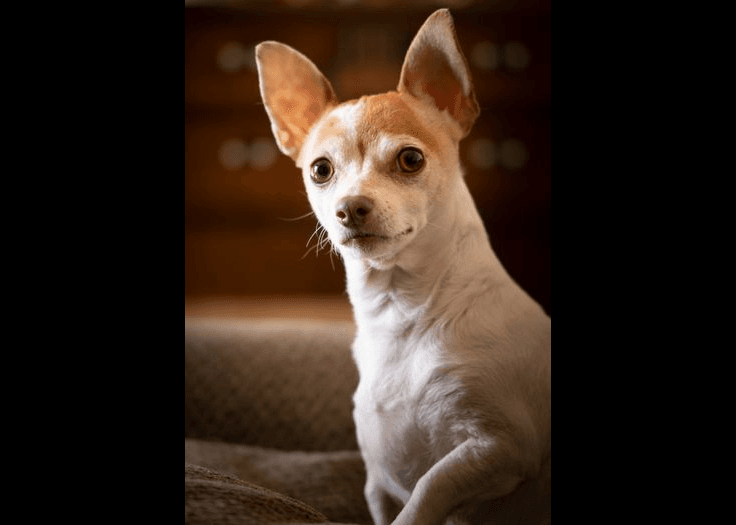
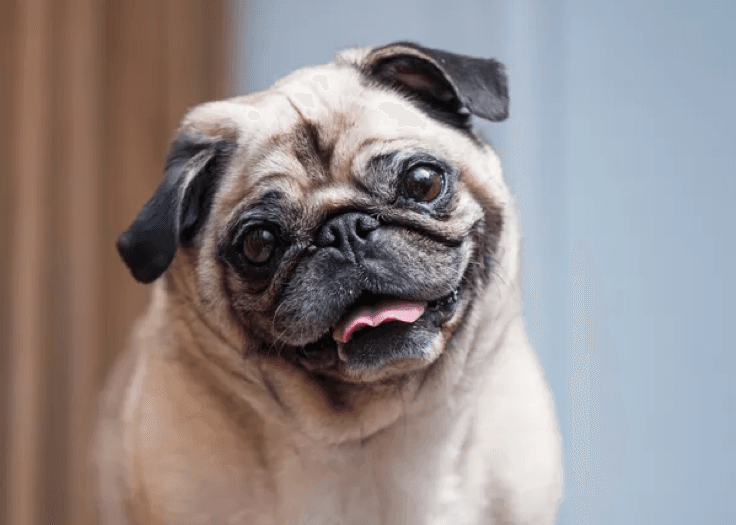
Quick Verdict
Better fit for families with kids
Pug
Chihuahua: Best with older kidsiSmall size makes them vulnerable to rough handling; best with calm, older childrenPug: sturdy and patient with kids
Lower barking tendency
Pug
Chihuahua: HighPug: Low
Pug
Chihuahua: Can be assertive toward catsiGenerally manageable with cats when properly introduced; bold temperament can cause standoffs, but the size dynamic typically works in the cat's favor so coexistence is often achievable with patiencePug: Curious but gentleiLow prey drive and companion-oriented temperament; Pugs are generally harmless around cats and often indifferent or mildly curious rather than chasing
Better alone-time tolerance
Pug
Chihuahua: LowPug: Moderate
Chihuahua
Chihuahua: LowiSmooth coats are very low-maintenance; long-haired variety needs weekly brushingPug: Low to ModerateiMinimal coat effort; main ongoing task is regular cleaning of facial wrinkles and skin folds
Verdicts are based on trait ratings. Always evaluate individual dogs and confirm behavior with the shelter, foster, or rescue organization.
Stats at a Glance
| Trait | Chihuahua | Pug |
|---|---|---|
| Size | Small | Small |
| Energy | Moderate | Low to Moderate |
| Shedding | Low to Moderate | High |
| Grooming | Low | Low to Moderate |
| Trainability | Moderate | Moderate |
| Barking | High | Low |
| Apartment Friendly | Yes (with training) | Yes (with conditions) |
| Good With Kids | Older kids onlyBest with older kids | Yessturdy and patient with kids |
| Good With Dogs | Varies by socializationSocialization helps | Often |
| Good With Cats | Often with socializationCan be assertive toward cats | OftenCurious but gentle |
| Daily Exercise | 20–30 min/day | 20–40 min/day |
| Typical Lifespan | 14–16 years | 12–15 years |
| Beginner Friendly | Manageable | Beginner-friendly |
Chihuahuas and Pugs are both popular small companions suited to apartment living and close household bonds — but they diverge substantially on health burden, shedding, lifespan, and barking. Both are compact, deeply loyal to their owners, and have modest exercise needs — though for the Pug that exercise must be more carefully managed around heat and airway limits. The Chihuahua is among the healthiest and longest-lived toy breeds; the Pug is brachycephalic, which shapes its exercise limits, heat tolerance, and long-term health management in ways that extend well beyond breed personality. For most adopters, the Pug's health tradeoffs and surprising shedding volume are the two factors that most often drive the decision.
Main difference: Pugs are brachycephalic, shed heavily year-round, and have a shorter typical lifespan. Chihuahuas are more robust with significantly less shedding and a longer lifespan — but are among the most vocal toy breeds, which is itself a real ongoing management commitment.
Who should choose each breed?
Choose a Chihuahua if
- You want significantly lower shedding — Pug fur on furniture and clothing is a consistent, daily reality
- You want one of the longest-lived companion breeds (typically 14–16 years)
- You want a brachycephalic-free dog without the heat sensitivity and airway management that Pug ownership requires
- You are prepared to invest in early socialisation and consistent training to prevent reactive or fearful barking
- You want the most compact small-space companion with minimal grooming effort beyond basic care — and are aware that at 4–6 pounds, fragility in handling and around larger dogs is a real ongoing consideration
Choose a Pug if
- You want a notably quiet dog — Pugs are one of the lowest-barking toy breeds and far calmer indoors than Chihuahuas
- You want a sturdier small breed that is more tolerant of children and household activity
- You want a gentler introduction to dog ownership (Beginner Friendly: 4/5 vs Chihuahua's 3/5)
- You have reliable climate control and can manage heat sensitivity as a routine care commitment
- You want a lower-energy, more easygoing companion temperament than the alert, reactive Chihuahua
If adopting through rescue or foster, ask directly about barking patterns for Chihuahuas — this is the trait most likely to determine apartment and neighbourhood compatibility. For Pugs, ask about breathing noise and history of any respiratory evaluation. In adult rescue dogs, directly observed behavior in foster care is far more reliable than breed averages.
Size and build
Both are toy breeds, but the physical difference is more substantial than the classification suggests. Chihuahuas typically weigh 4–6 pounds and stand 5–8 inches tall — the smallest recognised breed. Pugs typically weigh 14–18 pounds and stand 10–13 inches tall. In day-to-day terms they feel quite different to handle and live with.
The Chihuahua's size makes it physically fragile: falls, rough handling, and contact with larger dogs represent genuine injury risks that require ongoing awareness. The Pug's sturdier, more muscular build makes it more resilient in typical household interaction — though its flat facial structure introduces its own management constraints, particularly around breathing and heat.
Temperament and personality
Both breeds are closely bonded to their households, but their day-to-day character is quite distinct.
The Chihuahua is alert, reactive, and intensely loyal — often forming a deep attachment to one or two primary people. Well-socialised Chihuahuas are confident and adaptable; under-socialised ones can become wary or reactive with strangers, unfamiliar dogs, and new environments. Their default mode is watchful: vocal about movement, visitors, and change. This intensity is a personality trait, not a flaw, but it requires active early management. Chihuahuas that do not receive consistent handling early can develop the "small dog syndrome" pattern — not because of the breed, but because owners who tolerate problem behaviors in a 5-pound dog would not tolerate the same in a 50-pound one.
The Pug is easygoing, sociable, and notably even-tempered. Pugs engage warmly with most people, including strangers, and are far less alert-dog in orientation than the Chihuahua. They tend to follow their owners closely and enjoy proximity, but with less reactive intensity. Pugs are genuinely companionable in mixed-household settings — they typically handle visitors, children, and other dogs without the defensiveness that can characterise the Chihuahua in unfamiliar situations. Their personality is charming and low-drama in ways that make them exceptionally easy to live with — setting aside the health and shedding realities.
Neither breed is well-suited to long periods alone. Both can develop separation anxiety without gradual conditioning.
Exercise and stimulation needs
Both breeds have modest exercise needs. Chihuahuas need roughly 20–30 minutes of daily activity, often met through short walks and indoor play. Pugs typically need 20–40 minutes per day.
The practical difference is not time, but how exercise must be managed for Pugs. Brachycephalic dogs should not be exerted in warm or humid conditions — overheating is a genuine risk, and Pugs can become distressed more quickly than the exercise appears to warrant. Early morning or evening walks, climate-controlled indoor play, and close monitoring for laboured breathing are not optional Pug care additions; they are baseline requirements. Chihuahuas have no such constraint and can exercise comfortably across a wider range of conditions.
Neither breed requires demanding outdoor activity or working stimulation. Mental enrichment through training, puzzle feeders, and social interaction is more relevant for day-to-day wellbeing than raw exercise volume.
Shedding and grooming
This is one of the most practically important differences between the two breeds, and it regularly surprises prospective Pug owners.
The Pug sheds heavily year-round. Its short double coat is continuously shedding, and Pug fur is fine enough to work into fabrics, upholstery, and clothing in a way that is difficult to fully manage. Regular brushing (several times per week) reduces the amount shed around the home, but does not eliminate it. The Pug is rated High for shedding. The main additional grooming task is regular cleaning of facial skin folds and wrinkles — these must be kept dry and debris-free to prevent skin infections and irritation.
The Chihuahua sheds Low-Moderate. Smooth-coated Chihuahuas need very little coat maintenance — occasional brushing and a bath every few weeks. Long-haired Chihuahuas need weekly brushing but require no professional trimming. In either coat type, the grooming time and mess commitment is substantially lower than the Pug.
If pet hair management is a real day-to-day concern — on sofas, dark clothing, or hard-to-vacuum surfaces — the Chihuahua is the clear choice. This difference compounds over years of ownership.
Training and behavior
Both breeds are rated Moderate for trainability, but the nature of their training challenges differs.
Pugs are food-motivated and generally willing, making them responsive to short, reward-based sessions. Their main challenges are attention span and stubbornness: Pugs can disengage when training becomes repetitive, and they are expert at performing just enough compliance to earn the reward before returning to their preferred activity. They are rated 4/5 for beginner friendliness — a genuinely forgiving introduction to training a small dog, as long as sessions are kept brief, positive, and varied.
Chihuahuas are similarly food-motivated but more sensitive to handling inconsistency. Small-dog permissiveness is a real risk: owners who do not set clear limits early, or who dismiss problem behaviors because the dog is small, tend to end up with Chihuahuas that bark persistently, react defensively to strangers, or refuse basic handling. None of this is inevitable or breed-determined — it is a product of training decisions. Chihuahuas respond very well to positive reinforcement with consistent expectations. They score 3/5 for beginner friendliness, reflecting that the learning curve is real.
Barking is the largest behavioral difference by far. The Chihuahua is rated Very High for barking; the Pug is rated Low. In lived experience, this is significant: a Chihuahua in an apartment building or a semi-detached house requires active barking management as an ongoing effort, not just early training. Pugs are genuinely quiet companions by comparison.
Apartment and family fit
Which is better for apartments?
Both breeds are physically suited to apartment living — small size, modest exercise needs, manageable indoor footprint. But they present opposite risks, and in most real apartment settings one matters more than the other.
The Chihuahua's limiting factor is noise. Rated Very High for barking, a Chihuahua in a shared-wall building will vocal-react to hallway sounds, neighbours, passing dogs, and routine movement — without deliberate training, this becomes consistent friction. "Yes (with training)" is the honest apartment rating, not because the breed is poorly sized, but because barking management is a non-optional ongoing effort in shared accommodation.
The Pug's limiting factor is climate. Brachycephalic dogs are heat-sensitive and should not be in warm or poorly ventilated spaces. In a modern apartment with reliable air conditioning, this is a manageable routine consideration. In a warm building or without climate control, it becomes a welfare concern. Set aside the climate requirement, and the Pug is one of the quieter small companions available — rated Low for barking, easygoing with visitors, and low-drama indoors.
In most modern apartments with reliable climate control, the Pug is the quieter, lower-friction day-to-day choice. In warmer buildings or without guaranteed air conditioning, the Chihuahua's absence of any breathing constraint becomes the practical advantage. Neither breed is the unconditional winner — the right answer depends on your building.
For broader guidance on breeds suited to smaller spaces, see our best dogs for apartments guide.
Which is better for families with kids?
The Pug is better suited to most household-with-children settings. Rated "Often (with supervision)," it is sturdier, more patient, and more tolerant of the noise and irregular movement that characterises households with young children. The Chihuahua's "Older kids only" rating is practical guidance: at 4–6 pounds, a Chihuahua is easily injured by a fall, an accidental step, or rough play, and its alert-reactive temperament means it may respond to boisterous young children with anxious or defensive behavior.
For calm, older children who have been taught respectful handling, both breeds can be good companions. The Pug's tolerant, sociable temperament makes it more broadly suitable across different household compositions.
All interactions between any dog and children should be supervised. See our best dogs for families guide for broader guidance.
Which is easier for first-time owners?
The Pug is the more beginner-friendly breed (4/5 vs Chihuahua's 3/5). Its low barking, easygoing temperament, and food-responsive training style make it a relatively forgiving first dog. The main first-owner learning curves are managing brachycephalic care (breathing, heat, wrinkle cleaning) and understanding the shedding volume — both of which are manageable with upfront awareness.
The Chihuahua's main first-owner challenges are behavioral: setting consistent limits early and preventing the reactive-barking pattern that develops in under-socialised small dogs. Owners who underestimate training consistency because the dog is tiny tend to have the most difficulty. With deliberate early work, a Chihuahua is a rewarding dog — but it requires owners who treat it as a dog that needs real training, not as an accessory.
Health considerations
Chihuahua health
Chihuahuas are generally a robust, long-lived breed. Patellar luxation (kneecap displacement) is among the most common conditions in toy breeds and frequently affects Chihuahuas — most cases are mild and manageable, with severe cases requiring surgery. Dental disease is a significant ongoing concern: small jaws cause tooth crowding that accelerates deterioration without regular brushing, and dental cleanings should be planned into routine vet care. Cardiac conditions, including mitral valve disease, are documented in older Chihuahuas and warrant monitoring as dogs age. Hypoglycemia is relevant in puppies and very small adults, requiring nutritional awareness in the early months.
Chihuahuas are not health-problem-free, but they carry a smaller and less structurally limiting health burden than Pugs, and their typical 14–16 year lifespan reflects this relative robustness.
Pug health
Pug health is fundamentally shaped by brachycephaly — the flat facial structure that makes the breed immediately recognisable and creates significant structural health challenges. Brachycephalic Obstructive Airway Syndrome (BOAS) affects many Pugs to some degree, causing breathing restriction, exercise intolerance, and heat sensitivity that requires lifelong management. Some Pugs require surgical intervention (soft palate resection, nare widening) to reach a manageable quality of life. Heat stroke risk is a genuine safety concern that goes beyond simple "keep cool" advice.
Eye problems are a notable Pug-specific concern: their large, prominent eyes are vulnerable to proptosis (eye displacement from socket), corneal ulcers, and chronic irritation — all of which require prompt veterinary response when they occur. Skin fold infections in facial wrinkles require routine cleaning to prevent. Pug Dog Encephalitis (PDE) is a necrotising meningoencephalitis specific to the breed — a serious neurological condition that, while not affecting every Pug, is a documented breed risk. Hip dysplasia and patellar luxation are relevant small-breed concerns shared with Chihuahuas.
The Pug's typical lifespan of 12–15 years (median around 13.5) is shorter than the Chihuahua's by approximately 2–3 years. The health cost gap between the two breeds is meaningful for long-term veterinary budget planning.
Cost comparison
These are rough planning ranges. Actual costs vary significantly by region, insurance, adoption source, and individual dog health history.
| Cost area | Chihuahua | Pug |
|---|---|---|
| Food (monthly) | $15–$25 | $20–$35 |
| Grooming upkeep (monthly avg) | $5–$15 | $10–$20 |
| Routine vet care (monthly avg) | $30–$60 | $40–$80 |
| Training / socialisation (est. first year) | $100–$250 | $100–$250 |
| Estimated ongoing monthly budget | $50–$100 | $70–$135 |
The most significant cost difference is veterinary exposure. Pugs with BOAS may require specialist assessment and surgery that carries costs well beyond routine care — this is not a universal outcome, but it is a realistic planning scenario for prospective owners to understand. Eye injuries and skin fold infections add recurring vet contact points. Chihuahuas have lower structural health costs in expectation, though dental care represents a shared ongoing expense in both breeds.
For broader budgeting guidance, see How Much Does a Dog Cost Per Month?
Final decision: Chihuahua or Pug?
Both breeds are devoted, low-exercise companions that suit apartment and small-space living well. The decision most often comes down to three factors: health commitment, shedding tolerance, and barking.
Choose a Chihuahua if you want minimal shedding, a longer lifespan, and a breed without brachycephalic health constraints. The tradeoff is a substantive barking management commitment — a Chihuahua in a shared building or quiet neighbourhood requires consistent early training and ongoing attention to manage its vocal nature. Socialisation investment upfront pays off for years.
Choose a Pug if you want a quieter, more socially easygoing companion and are prepared for the brachycephalic health reality. A well-cared-for Pug — with reliable climate control, routine wrinkle maintenance, and a vet familiar with brachy management — is a deeply charming, low-drama companion. The tradeoff is a heavier shedding load, a shorter typical lifespan, and higher expected veterinary costs than the Chihuahua.
Both breeds reward consistent training and early socialisation far more than their small size leads many first-time owners to prioritise. Meeting individual dogs through shelters, rescue organizations, or foster care — and asking specifically about breathing patterns for Pugs and barking triggers for Chihuahuas — will tell you more than breed profiles alone.
If health burden, barking tolerance, and apartment suitability are your main decision factors, the Best Small Dog Breeds guide compares both breeds against other small-breed options — including options without brachycephalic health considerations.