Pug vs Shih Tzu: Shedding, Barking, Health & Apartment Fit
Compare Pug vs Shih Tzu on shedding, barking, brachycephalic health, and apartment suitability to choose the right flat-faced companion for your home.
Updated
Quick Verdict
Better fit for families with kids
Pug
Pug: sturdy and patient with kidsShih Tzu: best with older, calmer childreniGentle and affectionate; fragility at the lower end of the weight range means supervision and calm handling matter, and the breed suits older or quieter children better than households with very young, rough-playing kids
Both beginner-friendly, with different tradeoffs
Pug: Beginner-friendlyShih Tzu: Beginner-friendly
Lower barking tendency
Pug
Pug: LowShih Tzu: Moderate to High
Pug
Pug: Low to ModerateiMinimal coat effort; main ongoing task is regular cleaning of facial wrinkles and skin foldsShih Tzu: HighiDaily brushing essential to prevent matting; professional trims every 6–8 weeks
Shih Tzu
Pug: Climate control needediLow barking, low energy, and small size make Pugs well-suited to apartment living in climate-controlled settings; brachycephalic heat sensitivity means warm or poorly ventilated spaces are a genuine welfare concernShih Tzu: lower exercise needsiPhysically well-suited to small spaces with low exercise needs, but Moderate-High barking requires active training management in shared-wall buildings
Better alone-time tolerance
Pug
Pug: ModerateShih Tzu: Low
Similar for both
Pug: Curious but gentleiLow prey drive and companion-oriented temperament; Pugs are generally harmless around cats and often indifferent or mildly curious rather than chasingShih Tzu: Gentle; typically fineiBred purely for companionship with minimal hunting drive; Shih Tzus typically coexist peacefully with resident cats
Verdicts are based on trait ratings. Always evaluate individual dogs and confirm behavior with the shelter, foster, or rescue organization.
Stats at a Glance
| Trait | Pug | Shih Tzu |
|---|---|---|
| Size | Small | Small |
| Energy | Low to Moderate | Low |
| Shedding | High | Low to Moderate |
| Grooming | Low to Moderate | High |
| Trainability | Moderate | Moderate |
| Barking | Low | Moderate to High |
| Apartment Friendly | Yes (with conditions) | Yes |
| Good With Kids | Yessturdy and patient with kids | Yes (with supervision)best with older, calmer children |
| Good With Dogs | Often | Often |
| Good With Cats | OftenCurious but gentle | OftenGentle; typically fine |
| Daily Exercise | 20–40 min/day | 20–40 min/day |
| Typical Lifespan | 12–15 years | 12–16 years |
| Beginner Friendly | Beginner-friendly | Beginner-friendly |
Pugs and Shih Tzus share more with each other than with almost any other two breeds you could compare: both are brachycephalic flat-faced companions with low exercise needs, similar lifespans, similar beginner-friendliness, and both rate highly for apartment living. That shared foundation makes the differences between them more surprising, and more practically useful. On two of the most daily-life-relevant traits, the breeds are near-opposites. Pugs shed heavily but bark very little; Shih Tzus have a low-shedding coat but are meaningfully more vocal. Both come with the same brachycephalic care requirements, but the specific health concerns within that shared category are different.
Main difference: Both breeds are brachycephalic with similar exercise and training demands, but they are near-opposites on shedding and barking. The Pug sheds heavily but is among the quietest companion breeds; the Shih Tzu has a low-shedding coat but is significantly more vocal.
Who should choose each breed?
Choose a Pug if
- Minimal barking in a shared-wall apartment is a priority, the Pug is one of the quietest companion dogs available
- You are comfortable with consistent year-round shedding and prepared for daily or near-daily brushing plus regular vacuuming
- You want a sturdier companion at 14–18 pounds, better suited to households with older children than a more fragile toy breed
- You prefer lower coat grooming complexity (no professional grooming required) over a low-shedding coat
Choose a Shih Tzu if
- Minimal shedding and a cleaner indoor environment are the priority, the Shih Tzu's low-shedding double coat keeps furniture and clothing noticeably cleaner
- You are prepared to commit to regular professional grooming every 6–8 weeks plus daily home brushing
- You are comfortable with Moderate-High barking and have a clear plan for managing it in your housing situation
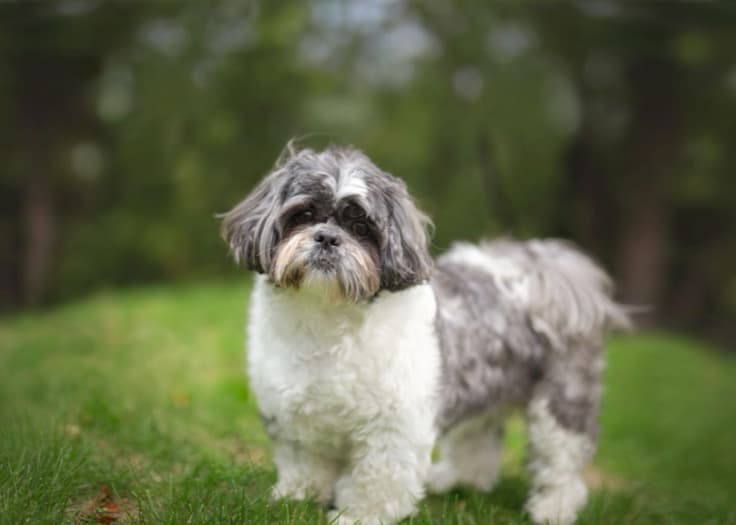
- You want a slightly smaller companion (9–16 lbs) with a long, luxurious coat aesthetic
Size and build
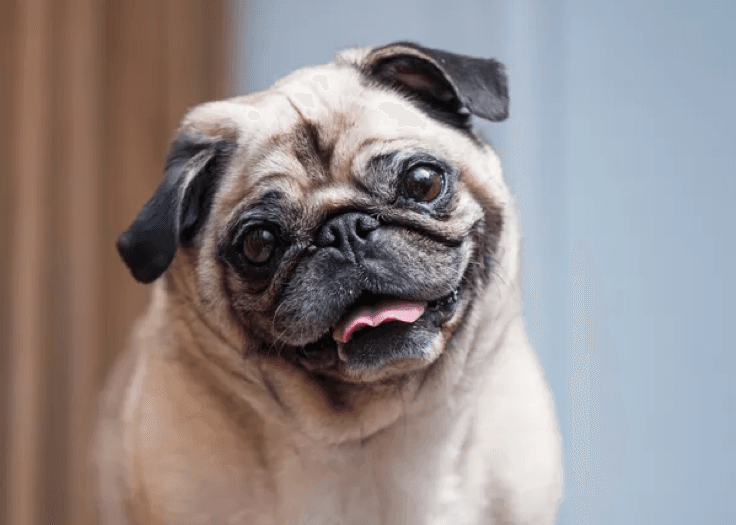
Pugs run notably larger, most weigh 14–18 pounds and stand 10–13 inches tall. This is meaningfully heavier than most companion toy breeds. Shih Tzus weigh 9–16 pounds and stand 8–11 inches, overlapping with Pugs at the high end of the Shih Tzu range and the low end of the Pug range.
Both are compact and suited to apartment and small-home living. The Pug's extra heft makes it more physically resilient than typical toy breeds in family settings. A Shih Tzu at the lower end of its weight range (9–11 lbs) is noticeably more fragile and requires more care around rough play or accidental drops.
Temperament and personality
Both breeds were developed exclusively as companion dogs, their entire behavioral profile reflects that purpose. Both form close bonds with their owners, do not tolerate long stretches alone, and thrive on consistent human interaction. Neither carries herding, hunting, or guarding instincts that would create reactive or driven behavioral patterns.
The temperament differences are subtle but real. Pugs tend toward a more easygoing, playful personality, good-natured, sociable with strangers, and tolerant of other pets with appropriate introductions. They are attentive without being demanding, and their low-barking baseline reflects a generally non-reactive disposition. Shih Tzus are affectionate and people-oriented but can be more vocal and alert to household sounds and movement. Some Shih Tzus are more selective with strangers than Pugs typically are. Both breeds are highly adaptable to quiet indoor routines.
Exercise and stimulation needs
Both breeds need 20–40 minutes of light daily activity, short walks, indoor play, and brief outdoor sessions are sufficient for either. Neither requires sustained exercise, running, or endurance activity.
The most important shared caveat: both breeds are brachycephalic and cannot safely exert themselves in warm or humid weather. Exercise in warm conditions must be actively limited for both. Short, early-morning or evening walks in summer months are the standard management approach. Neither breed should be walked briskly in temperatures above 75°F (24°C) without careful monitoring.
For other low-exercise companion breeds, see Low-Energy Dog Breeds.
Shedding and grooming
This is where the two breeds diverge most practically, and where buyers are often surprised.
Pugs have a short, dense double coat rated High for shedding. Despite the short coat, Pugs shed fine hairs year-round in quantities that many owners find more intensive than expected. The hairs are short and embed in fabric, upholstery, and clothing. Regular brushing (ideally daily or several times a week with a rubber grooming mitt or deshedding brush) reduces the volume of loose hair but does not eliminate it. No professional grooming is typically required, but consistent home grooming is. A secondary hygiene task specific to Pugs is wrinkle cleaning: the facial folds collect moisture and debris and require regular cleaning to prevent fold dermatitis and infections. Owners who are sensitive to pet hair in the home or who want a low-maintenance coat often find the Pug's shedding level to be the single biggest adjustment.
Shih Tzus have a double coat, softer undercoat beneath a longer outer coat, rated Low-Moderate for shedding. Loose hair is largely trapped within the coat rather than released freely. The result is noticeably less hair on furniture and clothing. However, that retained hair mats quickly if not brushed regularly. Most Shih Tzu owners brush daily or several times per week, and professional grooming every 6–8 weeks is the baseline maintenance. A secondary hygiene task specific to the Shih Tzu is facial coat care: the hair around the eyes must be kept clean and clear to prevent eye irritation and tear staining. Many owners keep their Shih Tzu in a shorter "puppy clip" to reduce brushing frequency, but professional grooming remains a consistent monthly budget line.
Grooming costs differ meaningfully. A Pug's grooming costs are low (brushing tools and fold-cleaning supplies, typically under $20–$35 per month averaged across the year). A Shih Tzu's professional grooming runs $50–$80 per session every 6–8 weeks, averaging $75–$130 per month.
Training and behavior
Both breeds are rated Moderate for trainability and Moderate for intelligence as far as practical obedience is concerned. Both respond best to short, positive reinforcement sessions with food motivation. Neither does well with repetitive drilling.
The most practically significant behavioral difference is barking. Pugs are rated Low, individual dogs may bark for attention or at novel stimuli, but persistent alert barking is not a defining breed trait. This makes Pugs one of the more apartment-compatible breeds on noise grounds. Shih Tzus are rated Moderate-High, more reliably vocal, particularly at sounds in hallways, approaching visitors, and household activity. Consistent barking training from early on is needed for Shih Tzu owners in shared-wall buildings.
Both are rated 4/5 for beginner-friendliness. The challenges are parallel but different in character: Pug owners manage shedding and health monitoring; Shih Tzu owners manage coat care and barking. Neither breed is confrontationally difficult to train, but neither is particularly compliant on the first ask either.
House-training is similarly moderate for both, toy-breed bladder capacity and cold sensitivity extend the timeline. Expect 2–3 months of consistent effort for either breed.
Apartment and family fit
Which is better for apartments?
Both breeds are rated Yes for apartment suitability. The Pug has a practical edge in noise-sensitive buildings because its Low barking baseline is significantly quieter than the Shih Tzu's Moderate-High. The Shih Tzu has an advantage on shedding, less hair on shared soft furnishings is a meaningful quality-of-life consideration in smaller spaces. In warm buildings or climates, both breeds need careful attention to heat management and should not be in environments without reliable air conditioning in summer. See Best Dogs for Apartments for a broader comparison.
Which is better for families with children?
Pugs are rated Yes for family settings, sturdy at 14–18 pounds, patient, and easygoing, they are one of the more reliable small-breed companions for households with children. Shih Tzus are rated Often, gentle and affectionate, but more fragile, particularly at the lower end of their 9–16 pound weight range. For households with younger children or active play patterns, the Pug's build resilience and tolerant temperament give it the practical edge. Neither breed is suited to environments with toddlers who cannot yet handle a small dog carefully. See Best Dogs for Families for broader family-fit guidance.
Which is easier for first-time owners?
Both are rated 4/5, equally beginner-accessible among flat-faced companion breeds. The work required is just different in nature. First-time Pug owners are most often surprised by shedding volume and the health monitoring requirements (eye checks, weight management, fold hygiene). First-time Shih Tzu owners are most often surprised by grooming frequency and barking intensity. A prepared new owner can succeed with either breed by researching these specific demands before committing. See Best Dogs for First-Time Owners for broader guidance.
Health comparison
The headline fact for this comparison is that both Pugs and Shih Tzus are brachycephalic, and understanding what that means in practice is essential for anyone considering either breed.
Brachycephalic breeds have compressed facial bones that cause narrowed nostrils, elongated soft palate, and a smaller trachea relative to body size. This creates breathing limitations, heat intolerance, exercise restriction in warm conditions, and elevated risk for Brachycephalic Obstructive Airway Syndrome (BOAS). Severe BOAS cases require surgical correction. Both breeds should be kept in temperature-controlled environments and should never be exercised in heat.
Within the shared brachycephalic category, the specific health vulnerabilities differ:
Pugs are particularly associated with corneal ulcers and eye injury. Their shallow eye sockets cause the eyes to protrude significantly, which makes them highly vulnerable to drying, foreign bodies, and direct trauma. This is a recurring veterinary reality for many Pug owners, not just an occasional concern. Weight management is also a distinct Pug priority, their compact, heavy-boned build combined with limited exercise capacity creates strong obesity risk, and excess weight worsens brachycephalic airway strain. Wrinkle hygiene is an ongoing daily task to prevent fold dermatitis. Pet insurance is commonly recommended for Pugs given the frequency and cost of eye-related and brachycephalic-related veterinary visits.
Shih Tzus share the eye exposure concern but to a somewhat lesser degree. Their primary additional health concerns are dental disease (small-jaw crowding and tooth root complications common in the breed), PRA (progressive retinal atrophy), and facial hygiene maintenance around the eyes and nose. BOAS management and monitoring is a shared priority.
Neither breed is a simple low-maintenance health profile. Both require owners who enter the relationship understanding brachycephalic care as an ongoing commitment, not an occasional inconvenience. See Longer-Lifespan Dogs for a comparison of small breeds by longevity.
Cost comparison
| Cost area | Pug | Shih Tzu |
|---|---|---|
| Food (monthly) | $40–$70 | $25–$50 |
| Grooming (monthly avg) | $20–$35 | $75–$130 |
| Routine vet care (monthly avg) | $25–$60 | $20–$55 |
| Training / socialisation (first year est.) | $150–$400 | $150–$400 |
| Estimated ongoing monthly budget | $100–$250+ | $110–$270 |
Both breeds fall in a similar overall cost range, though the cost composition differs. Pugs eat more due to their larger build, but have lower grooming costs. Shih Tzus cost less in food but significantly more in professional grooming. Veterinary costs for both can be elevated by brachycephalic health events, eye care is a recurring Pug-specific line; dental care is the analogous Shih Tzu-specific line. Pet insurance is worth considering for either breed given their brachycephalic health profile.
For broader budgeting guidance, see How Much Does a Dog Cost Per Month?
Final decision: Pug or Shih Tzu?
The two clearest decision drivers are shedding and barking, because on almost every other dimension, these breeds are closely matched.
If persistent year-round shedding is a significant concern (white furniture, allergies, minimalist home), the Shih Tzu's low-shedding coat is the clear advantage. If barking management in a shared-wall building is the priority, the Pug's Low barking baseline is meaningfully easier to live with. Both carry brachycephalic health requirements that need to be understood before committing, and both are among the more beginner-accessible flat-faced companion breeds available.
Both breed profiles serve equally well when evaluating a flat-faced mixed-breed dog at a shelter or rescue. Pug-type and Shih Tzu-type mixes appear regularly in shelters and rescue organizations, the brachycephalic health considerations, shedding tendencies, and temperament patterns described here are useful reference points for any dog with similar physical characteristics, regardless of breed documentation. An adult dog in foster care will often have documented behavioral history including coat shedding levels and barking patterns, which a shelter intake assessment cannot reliably provide. Shelters, rescue organizations, and foster networks are all valid starting points. See Best Small Dogs for a broader look at small companion breeds.