Bulldog vs Pug: Size, Shedding & Lifespan
Compare Bulldog vs Pug on size, shedding, lifespan, brachycephalic health needs, and apartment suitability to find which low-energy companion suits your home.
Updated
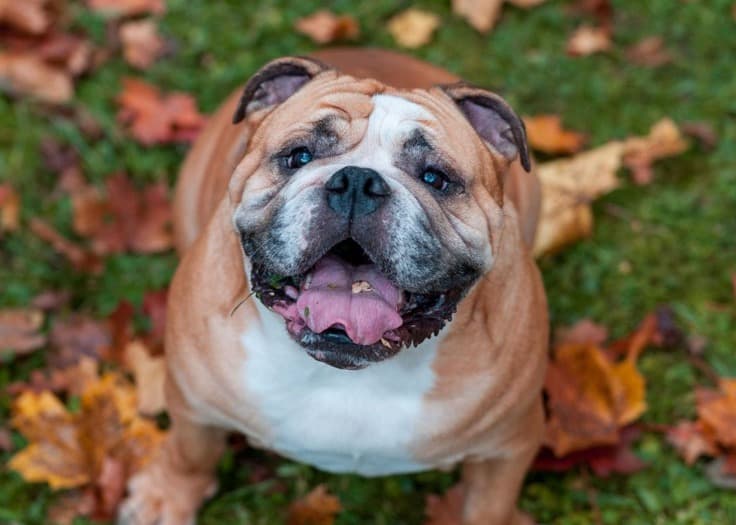
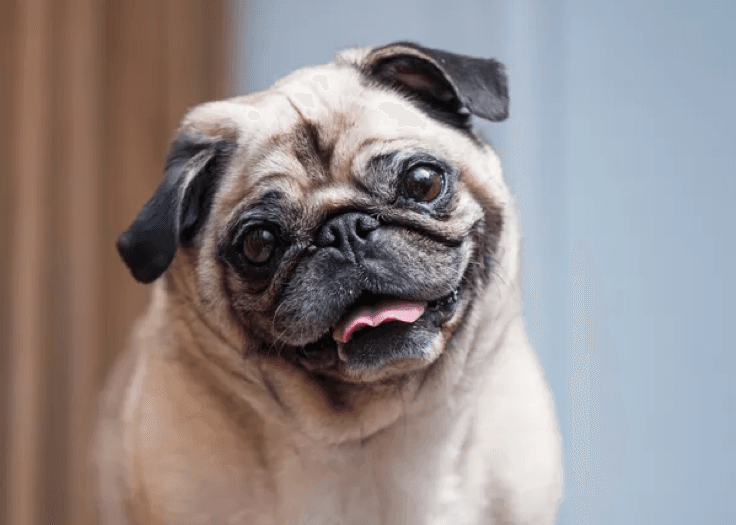
Quick Verdict
Better fit for families with kids
Both family-friendly
Bulldog: Supervision with toddlersPug: sturdy and patient with kids
Both beginner-friendly, with different tradeoffs
Bulldog: Beginner-friendlyPug: Beginner-friendly
Bulldog
Bulldog: Low energy; quiet and manageable indoorsiLow exercise needs, quiet temperament, and manageable indoor footprint make Bulldogs well suited to apartment living — provided indoor temperature is regulated and weight is managedPug: Climate control needediLow barking, low energy, and small size make Pugs well-suited to apartment living in climate-controlled settings; brachycephalic heat sensitivity means warm or poorly ventilated spaces are a genuine welfare concern
Better alone-time tolerance
Bulldog
Bulldog: HighPug: Moderate
Similar for both
Bulldog: Low prey drive; calmiLow energy and generally low prey drive; Bulldogs typically coexist well with cats with a standard calm introductionPug: Curious but gentleiLow prey drive and companion-oriented temperament; Pugs are generally harmless around cats and often indifferent or mildly curious rather than chasing
Verdicts are based on trait ratings. Always evaluate individual dogs and confirm behavior with the shelter, foster, or rescue organization.
Stats at a Glance
| Trait | Bulldog | Pug |
|---|---|---|
| Size | Medium | Small |
| Energy | Low | Low to Moderate |
| Shedding | Moderate | High |
| Grooming | Low to Moderate | Low to Moderate |
| Trainability | Moderate | Moderate |
| Barking | Low | Low |
| Apartment Friendly | Yes | Yes (with conditions) |
| Good With Kids | YesSupervision with toddlers | Yessturdy and patient with kids |
| Good With Dogs | Often | Often |
| Good With Cats | OftenLow prey drive; calm | OftenCurious but gentle |
| Daily Exercise | 20–40 min/day | 20–40 min/day |
| Typical Lifespan | 8–10 years | 12–15 years |
| Beginner Friendly | Beginner-friendly | Beginner-friendly |
Bulldogs and Pugs are two of the most recognisable apartment-friendly companion breeds, both brachycephalic, both quiet, both built for home life rather than outdoor activity. Within that shared profile, however, they are meaningfully different dogs: in size, in how much they shed, in how long they typically live, and in the precise nature of their health obligations. For many people choosing between the two, the decision comes down to three things: how much space you have, how much shedding matters, and how you think about lifespan and health commitment.
Main difference: Both are brachycephalic companions with low exercise needs and strong apartment suitability. The Pug is smaller, sheds more, and lives significantly longer; the Bulldog is larger, sheds moderately, carries more intensive respiratory health obligations, and has an average lifespan of 8–10 years compared to the Pug's 12–15.
Who should choose each breed?
Choose a Bulldog if
- You want a calm, sturdy companion with a more substantial physical presence, the Bulldog's 40–50 pound build makes it a more manageable companion for older children or adults who want a lap-adjacent dog without small-dog fragility
- Moderate shedding is more tolerable than high shedding, the Bulldog produces less loose coat in daily life than the Pug despite being the larger breed
- You want the slightly easier apartment choice overall, once climate control is in place, the Bulldog has fewer ongoing apartment caveats than the Pug
- You are prepared for a health-intensive relationship with a shorter typical lifespan, and will take breathing monitoring, weight management, and skin fold care seriously from day one
Choose a Pug if
- Size is a constraint, the Pug's 14–18 pounds fits far more easily into tight spaces, laps, and transport
- A longer typical lifespan is a meaningful factor in your decision, 12–15 years versus 8–10 is a gap of years, not months
- You are prepared for heavy shedding and understand that a small dog does not mean a low-shed dog in this breed's case
- You want a very close companion dog, the Pug's human-proximity drive is intense even by companion breed standards, and for owners who value that attachment, it is the defining quality of the breed
Adopting through rescue or foster? Ask specifically about breathing status at rest and during light activity, any history of soft palate or nares surgery, current weight and body condition, and (for Pugs) eye health and how the dog manages alone time. For both breeds, real-world foster observation of breathing and heat tolerance is more useful than breed averages, individual dogs vary meaningfully in BOAS severity.
Size and build
This is a more significant difference than the comparison of two small companion breeds might suggest.
Bulldogs weigh 40–50 pounds and stand 14–15 inches at the shoulder, stocky, wide-chested, and low-slung. That weight is dense and muscular, not flabby. They are a medium-breed dog with a small-breed exercise profile, which is what creates the apartment-friendly reputation: the body is medium-sized but the activity level is small.
Pugs weigh 14–18 pounds and stand 10–13 inches tall, genuinely small dogs, palm-of-the-hand portable at the lighter end. Their small size is not just a transportability advantage; it affects how they interact with children (small and fragile in rough handling), how they manage stairs and furniture, and how much physical force they generate when enthusiastic, which is to say, very little.
Both breeds share the flat-faced, rounded skull, compact body, corkscrew or curled tail, and short muzzle structure of brachycephalic breeds. The fundamental anatomy is family-similar; the scale is not.
One practical note on both breeds' brachycephalic structure: heat and humidity are serious risks for either dog. Neither should be exercised in warm weather beyond brief, early-morning or evening outings. Neither is appropriate for households without reliable year-round air conditioning. This is not a preference, it is a welfare requirement for both.
Temperament and personality
The temperament family resemblance is real, both breeds are calm, close-contact companions built for domestic life rather than outdoor adventure. Where they differ is in degree, intensity of attachment, and indoor presence.
Bulldogs are typically steady, unhurried, and confident. They are not demanding or anxious, they settle easily, are rarely startled by household noise or activity, and do not require constant interaction to feel content. That low-reactivity profile makes them particularly easy to live with in busy households or those with unpredictable schedules. The Bulldog is affectionate without being clingy; they enjoy being near their people but do not typically follow them from room to room or show visible distress when alone.
Pugs are companion dogs in the original and most intense sense of the phrase. They were bred for proximity to humans over hundreds of years and most of the breed's personality follows directly from that purpose, following their owner from room to room, tracking movement and mood, preferring a warm lap to any dog bed. That closeness is warm and endearing in households where someone is home frequently. In households where the dog would be alone for most of the working day, it becomes a welfare concern: many Pugs show genuine separation-related distress in ways that Bulldogs typically do not.
Both breeds can be slightly stubborn and independent-minded when they are not engaged. Neither has a working drive that makes them eager to please in the way retriever breeds do. Calm, consistent, food-positive training works for both.
Exercise and stimulation needs
Both breeds share the same exercise requirement: 20–40 minutes of light daily activity. For both, that means short, slow-paced walks at cool times of day, not brisk exercise, jogging, or extended outdoor sessions.
The similarity in exercise needs is genuine, but the reason it is capped so low matters: both breeds are physically limited by their brachycephalic structure, not simply by preference. A Bulldog or Pug that is pushed into sustained exercise, heat, or humidity will pant heavily, slow down, and in extreme cases enter respiratory distress. The exercise ceiling is a health parameter, not just a lifestyle preference.
Enrichment for both breeds is light: gentle indoor play, puzzle feeders, and short training sessions satisfy their mental needs without exertion. Neither breed does poorly from lack of physical exercise in the way high-energy breeds do; their distress signals are more likely to come from prolonged isolation or boredom than from under-exercising.
One small distinction: Pugs tend to have short bursts of playful energy, zooming around a room, enthusiastically greeting visitors, followed by extended rest. Bulldogs are generally calmer and less given to bursts, which some owners experience as more restful and others as less interactive.
Shedding and grooming
This is where the comparison produces a counterintuitive result.
Bulldogs shed Moderately. Their short, dense coat produces consistent year-round loose hair that is manageable with weekly brushing and occasional baths. The volume is real but contained, weekly grooming sessions are enough for most owners to keep the home reasonably clear.
Pugs shed Heavily, rated High, one tier above Bulldogs despite being roughly a third the body weight. Their double coat releases short hairs year-round in volume that many owners find surprising on first encounter. Those short hairs embed in fabric, upholstery, and clothing persistently. Brushing 2–3 times per week is a realistic minimum; some owners settle into daily brushing during heavier coat periods. A quality deshedding brush is not optional for Pug owners.
Grooming maintenance beyond shedding is similar for both breeds: both require regular cleaning of facial skin folds to prevent bacterial buildup and moisture-related skin infections. For Bulldogs this includes the face wrinkles and the tail pocket (a skin fold above the corkscrew tail that is particularly easy to neglect). For Pugs it includes facial folds and attention to the area around the eyes. Neither's coat requires professional grooming; both require the fold-cleaning routine as a permanent fixture of ownership.
Training and behavior
Both breeds are rated Moderate for trainability, capable of learning household manners, responsive to positive reinforcement, but neither a high-drive nor a naturally eager-to-please training partner.
Short sessions work for both. Repetitive drills produce diminishing returns. Food rewards are effective for both, but with Pugs especially, calories must be counted across all reward sources, since food-motivated training that passes unnoticed into weight gain is a real management risk in this breed.
The Bulldog's stubborn streak is real but not aggressive, it typically shows as a dog that simply stops participating in an activity it finds boring, rather than one that actively resists. Keeping sessions brief, varied, and positively framed converts most Bulldogs into reliable enough training partners for the basics. Advanced obedience is achievable with patience.
The Pug learns similarly, and their sociable interest in their owners gives them slightly more intrinsic motivation for interaction-based training than the more independent Bulldog. Neither breed is known for barking problems, both are rated Low for barking, making them among the quieter companion breeds and well-suited to shared-wall living.
Apartment and family fit
Which is better for apartments?
Both are excellent apartment candidates, among the better choices in each size category. The Bulldog's Yes rating versus the Pug's Yes (with conditions) reflects a real, if modest, difference: once a Bulldog's climate control is in place, there are no remaining apartment constraints. The Pug's conditional rating accounts for its more persistent apartment management demands, heavier shedding on furniture and upholstery, slightly more pronounced brachycephalic sensitivity that leaves less margin in imperfectly cooled spaces, and eye vulnerability in dry or dusty indoor environments. Both need reliable temperature regulation, but the Pug imposes that requirement more strictly.
Where the Bulldog has a slight functional advantage: lower shedding means less sustained coat deposit on apartment furniture and flooring. For residents already managing shared laundry facilities, frequent guests, or light-colored upholstery, that difference accumulates. The Pug's smaller footprint is also a genuine space advantage in truly compact apartments.
For either breed: the critical apartment requirement is temperature regulation. Both are at genuine risk from heat and humidity. A well-cooled apartment is the non-negotiable baseline; outdoor activity timing around weather is the ongoing practice.
For more guidance: Best Dogs for Apartments
Which is better for families with kids?
The Bulldog has a marginal advantage, mainly on size and predictability grounds.
A well-socialized Bulldog in a family with children is typically steady, tolerant, and low-reactive, their calm temperament and physical sturdiness make them less physically vulnerable in child-heavy homes, and they tend to be less reactive to kitchen noise, playground energy, or rough handling than smaller or more anxious breeds. They weigh enough to hold their own in a household; at 40–50 pounds, they are not fragile. The sensible precaution is supervision with toddlers given their size, not because aggression is typical.
Pugs are affectionate with children they know and trust. The challenge is physical vulnerability. A Pug's most fragile points are its eyes, prominent, shallow-set, and more easily injured than those of almost any other breed. A well-meaning toddler who grabs a dog's face is a risk scenario worth taking seriously for Pugs. The breed is also small enough to be accidentally stepped on, squashed, or mishandled by young children with limited body control. With older children who have been taught careful interaction, Pugs can be genuinely wonderful, patient, playful, and devoted. The supervision requirement just starts earlier and stays more intensive with the youngest children.
For more guidance: Best Dogs for Families
Which is easier for first-time owners?
Both are rated 4/5 for beginnerFriendly, a tie, and a meaningful one. Neither breed makes heavy demands on handler technique, neither requires specialized training approaches, and neither carries the intense working drive or protection instinct that raises the bar for experienced working-breed owners. For purely first-time ownership accessibility, they are well-matched in this category.
Where they differ for a first-time owner is in health, not temperament. A first-time Bulldog owner needs to go in fully informed about brachycephalic health management, the possibility of surgical intervention, weight management as a daily discipline, and a lifespan that may feel short. A first-time Pug owner needs to go in informed about heavy shedding (consistently underestimated), eye vulnerability and regular eye health monitoring, and the separation sensitivity that makes them poorly suited to households with long daily absences.
For more guidance: Best Dogs for First-Time Owners
Health considerations
Bulldog health
The defining health challenge for Bulldogs is their brachycephalic airway structure, a severely compressed muzzle, narrowed nostrils, elongated soft palate, and often a narrowed trachea. This combination restricts airflow in ways that range from audible breathing sounds and snoring at the mild end, to exercise intolerance, heat distress, and obstructive breathing events at the severe end. A significant proportion of Bulldogs require surgical intervention, nares widening, soft palate shortening, or both, to reach a comfortable respiratory baseline. Evaluating any Bulldog's breathing at rest, during light activity, and in mild heat before or shortly after adoption is an important early step. BOAS grading by a veterinarian experienced with brachycephalic breeds gives the most useful baseline picture.
Skin fold infections are the other primary management task: the face wrinkles, tail pocket, and body folds need regular cleaning to prevent bacterial or yeast overgrowth. Neglected folds can become chronically infected and uncomfortable. This is a routine maintenance task, not a medical emergency, but it is permanent.
Weight management is load-bearing for the Bulldog's health. Every additional pound increases the respiratory work on an already restricted airway and accelerates joint wear in a structurally dense breed. Measured portions, no free-feeding, and consistent light daily movement are the core disciplines.
Typical lifespan: 8–10 years
Pug health
Pugs share the brachycephalic airway concern, the same respiratory structure at a somewhat less extreme severity profile than the Bulldog, and the same skin fold maintenance requirement. Both apply and should be managed similarly.
The Pug-specific health concerns beyond BOAS are:
Eye health: Pugs have shallow eye sockets and prominent eyes that protrude more than almost any other breed. This makes them vulnerable to corneal scratches and abrasions, keratoconjunctivitis sicca (dry eye), corneal ulcers, and in some cases eyelid abnormalities. Even minor eye injury can escalate quickly in this breed. Regular eye checks, keeping the facial area clean around the eyes, and prompt veterinary attention for any discharge, squinting, or cloudiness are standard practice for the breed.
Pug Dog Encephalitis (PDE): A rare but serious inflammatory brain condition specific to Pugs. It can cause seizures, behavioral changes, and progressive neurological decline. There is no predictive test currently available; the condition is unpredictable in onset and can affect otherwise healthy dogs. Awareness of the signs (unexplained seizures, sudden behavioral changes, loss of coordination) allows for earlier veterinary response.
Obesity: Pugs' strong food drive and limited exercise tolerance make weight gain a persistent risk. As with Bulldogs, excess weight directly worsens the respiratory restriction from their brachycephalic structure. Measured, structured feeding and treat-conscious training reward delivery are ongoing management tools.
Typical lifespan: 12–15 years
Consult a licensed veterinarian for medical advice specific to your dog.
Cost comparison
These are rough planning ranges, actual costs vary by region, individual health history, insurance, and adoption source.
| Cost area | Bulldog | Pug |
|---|---|---|
| Food (monthly) | $55–$85 | $30–$55 |
| Grooming upkeep (monthly avg) | $15–$30 | $20–$40 |
| Routine vet care (monthly avg) | $50–$80 | $40–$70 |
| BOAS surgery (one-time, if needed) | $1,500–$4,000+ | $1,000–$3,000+ |
| Eye care (Pug, ongoing as needed) | , | $50–$300+/year as needed |
| Training / enrichment (est. first year) | $400–$800 | $400–$700 |
| Estimated ongoing monthly budget | $160–$270 | $130–$210 |
The most unpredictable cost for both breeds is respiratory surgery. A proportion of both Bulldogs and Pugs will need soft palate and/or nares correction to reach a comfortable breathing baseline, exact proportions vary by individual, but new owners of either breed should budget for this scenario rather than count on avoiding it. Pet insurance enrolled while the dog is young and before respiratory symptoms appear is the most effective hedge.
Bulldog costs trend higher on food (size), routine care (more complex health profile), and the potential surgical intervention cost. Pug costs trend higher on shedding management (deshedding tools, more frequent grooming maintenance) and eye care as the dog ages.
For broader budgeting guidance, see How Much Does a Dog Cost Per Month?
Final decision: Bulldog or Pug?
For most people genuinely deciding between these two breeds, the choice turns on lifespan preference and shedding tolerance more than anything else.
If the prospect of a 8–10 year average lifespan is a meaningful concern, and for many people it should be, the Pug's 12–15 years is the decisive factor. That gap is substantial, and the Bulldog's shorter lifespan reflects a real health burden that should be understood, not minimised.
If shedding in the home is a daily-life concern, the Bulldog produces considerably less. The counterintuitive reality is that owning the larger brachycephalic breed means owning the less hairy one.
If size is the dominant constraint, the Pug is the answer, 14–18 pounds versus 40–50 is not a marginal difference, and for genuinely compact living spaces, transporting a dog in a carrier, or for owners who want a dog they can physically carry, the Pug's size is a meaningful practical advantage.
Both breeds carry significant health obligations that go beyond routine veterinary care, breathing management, weight monitoring, skin fold maintenance, and neither is appropriate for owners who want a structurally robust, low-health-cost companion dog. Within that shared caveat, either can be a genuinely rewarding relationship for the right household.
Meet individual dogs through rescue or breed-specific foster programs before committing. With both Bulldogs and Pugs, the individual dog's breathing status, eye health (Pugs), current weight, and temperament around solitude matter considerably more than breed averages.