Great Pyrenees: Temperament, Barking & Care
Learn about Great Pyrenees temperament, nocturnal barking, independence, massive shedding, and whether this gentle giant guardian is right for you.
Updated
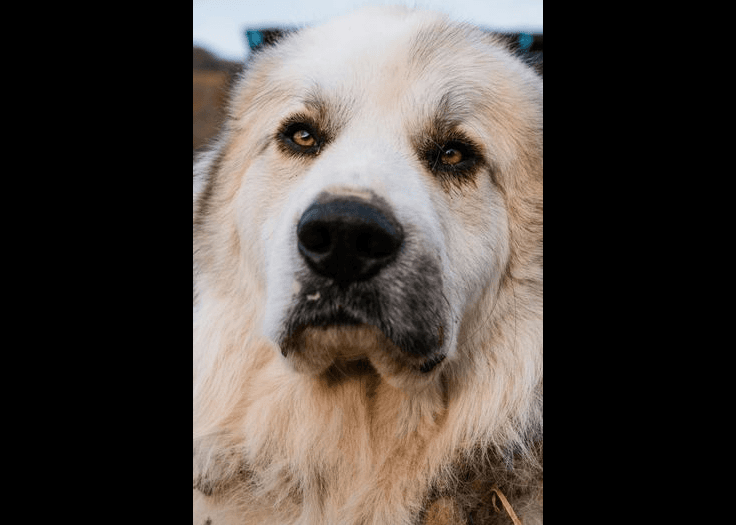
Stats at a Glance
- Size
- Giant
- Energy
- Low to Moderate
- Shedding
- Very High
- Trainability
- Moderate
- Apartment
- Noi
- Size and nocturnal barking
- Grooming
- Moderatei
- Barking
- Highi
- Exercise
- 30–60 min
- With Kids
- Yesi
- gentle and protective
- With Dogs
- Ofteni
- Generally tolerant
- With Cats
- Often with socializationi
- Low prey drive; intro still helpful
- Origin
- France / Spain
Trait Score Snapshot
The Great Pyrenees is a giant livestock guardian dog originating in the Pyrenean mountains between France and Spain. Bred for centuries to independently patrol and protect livestock from predators, the breed carries several behavioral characteristics that are deeply instilled and not easily modified by training: nocturnal barking, independence, and a calm, deliberate temperament that can read as stubbornness in a household context.
Understanding these traits before adopting is the most important preparation a prospective Great Pyrenees owner can do.
This guide is informational and not veterinary advice. Consult a licensed veterinarian for medical concerns.
Bottom line: A well-matched Great Pyrenees is a gentle, calm, deeply loyal companion for the right household. The right household has outdoor space, accepts barking management as a permanent responsibility, and doesn't expect this breed to behave like a sporting or herding dog. The barking is real. The shedding is real. The gentleness with family, including children and other animals, is also real.
Size & lifespan
Most adult Great Pyrenees weigh 85–115+ pounds and stand 25–32 inches at the shoulder. Males are significantly larger than females; some males exceed 130 pounds.
The typical lifespan is 10–12 years, average for a giant breed.
History & origin
The Great Pyrenees (known as the Pyrenean Mountain Dog in Europe) has been used as a livestock guardian in the Pyrenean mountains for centuries, possibly millennia. The breed was formally recognized by the French Kennel Club and became popular as a companion and working dog across Europe. King Louis XIV designated the breed as the Royal Dog of France in the 17th century.
The breed's behavioral profile reflects its working purpose: patrol independently at night, bark to deter predators, and maintain a calm, protective presence with the animals in its care. These traits translate directly to household behavior.
Lifestyle fit
- Apartment Living: Not suitable; size and nocturnal barking require outdoor space
- First-Time Owners: Not ideal; nocturnal barking, independence, and giant-breed logistics require realistic expectations
- Families with Kids: Strong fit; known for gentle, patient temperament with children
- Active Households: Moderate fit; they enjoy activity but don't have high exercise demands
- Low-Energy Homes: Good fit relative to their size; exercise requirements are modest
- Seniors: Possible but challenging; sheer size and strength require management
Quick take: Is a Great Pyrenees right for you?
Pros
- Gentle, patient, and protective with family including children
- Generally good with other animals, particularly livestock and cats
- Moderate exercise needs for their size
- Deeply loyal and calm indoor demeanor once exercised
- Good with other dogs
Cons
- Nocturnal barking is a breed characteristic, not a training problem
- Massive shedding year-round, with major seasonal blowouts
- Independence makes training more about management than compliance
- Giant size means significant food, vet, and space costs
- Shorter lifespan than smaller breeds
- Wandering instinct; secure fencing is non-negotiable
Best for
- Rural or suburban households with outdoor space
- Families with children who want a calm, protective companion
- Households with other animals (livestock, cats)
- Owners who accept barking as part of the relationship and have the space to manage it
- Active owners who want a hiking or walking companion without extreme exercise demands
Not ideal for
- Apartments or shared-wall housing
- Owners who need a quiet dog
- Owners without secure fencing
- Households that cannot accommodate giant-breed logistics
What living with a Great Pyrenees is actually like
Great Pyrenees are large, calm, and surprisingly gentle in a household context. They don't typically bounce off the walls indoors; they tend to find their spot and settle, often in the coolest part of the house (they run warm and prefer cold environments).
The two defining daily realities are shedding and barking. The shedding is constant and heavy, with seasonal blowout periods that significantly increase brushing demand. The barking happens primarily at night: a single bark or extended patrol vocalization that reflects normal guardian behavior. Both are manageable; neither is eliminated.
Their independence means training is less about teaching compliance and more about establishing habits and routines. A Pyr that has decided something is acceptable will continue doing it regardless of corrections. Positive reinforcement and environmental management are more effective than punishment-based approaches.
Temperament & personality
Calm guardian
The Great Pyrenees is not a high-strung or reactive breed. They tend to observe before acting and have a naturally deliberate quality. In the home, this reads as calm and settled. In training contexts, it reads as slow.
Independent
Livestock guardian dogs evolved to work autonomously. A Great Pyrenees that perceives a problem will address it without waiting for your instruction. This is the core of the breed's independence. Recall reliability is impacted by this trait; a Pyr following a scent or patrolling a perceived threat may not prioritize your recall command.
Nocturnal barking
This is the trait most people underestimate before adopting. Great Pyrenees patrol and bark at night by instinct. The bark is loud and carries. In a residential setting, this creates a genuine neighbor and lease compliance issue. Strategies to manage it include indoor overnight housing (which significantly reduces but doesn't eliminate the behavior), a securely fenced yard, and working with the instinct rather than against it.
Gentle with family
The breed's protective instinct is focused on the family it has bonded with. Human-directed aggression is not a standard trait. With children, the Pyr is typically calm, gentle, and patient, forming a natural guardian bond.
Exercise needs
Great Pyrenees need approximately 30–60 minutes of daily activity, modest for their size. They are not high-drive working dogs; their historical work was slow-moving patrol, not athletic pursuit.
Long walks are well-suited to this breed. They appreciate cooler temperatures and do not handle heat well. Do not overexercise Great Pyrenees in warm weather.
For lower-energy breeds: Low-Energy Dog Breeds
Shedding & grooming
The Great Pyrenees has a thick, dense double coat that sheds continuously and heavily.
- Very high year-round shedding
- Major seasonal blowouts twice yearly
- Brushing 2–3x per week minimum; daily during blowout periods
- Matting is possible in the collar area, behind ears, and on legs if brushing is neglected
Professional grooming is not required, but a high-quality deshedding brush (undercoat rake, slicker brush) is essential. Bathing every 4–6 weeks; the coat repels dirt reasonably well.
Training & behavior
Training a Great Pyrenees requires realistic expectations. They are not eager-to-please in the retriever or herding dog sense. They learn slowly, respond to consistency over time, and have an independent streak that makes compliance feel negotiable.
Positive reinforcement and patience are effective. Harsh or aversive methods are counterproductive and can produce anxiety or shutting down.
Key management priorities:
- Secure fencing: wandering instinct is strong and not fully trainable away
- Recall: supplement with fencing and leash; reliable recall in all contexts is difficult
- Loose-leash manners: 100+ pounds of dog requires early work
- Barking management: indoor housing at night, not elimination, is the realistic goal
Are Great Pyrenees good with kids?
Great Pyrenees tend to do well with children when raised together and when children are taught respectful handling. The breed's guardian instinct extends naturally to the children in their household, producing a calm, patient, and gently protective presence.
Supervision with very young children is important primarily due to physical size. A Great Pyrenees that leans against or moves toward a small child can knock them over without any reactive intent. Reactivity is not the standard concern; size management is.
Older children who understand how to engage calmly with a large dog are typically an excellent match for this breed.
Are Great Pyrenees good for apartments?
No. Physical size creates a practical obstacle in most apartment situations, and nocturnal barking makes shared-wall housing an ongoing noise management problem. Both issues compound: the dog needs outdoor space to move and patrol, and the surrounding neighborhood requires nighttime quiet.
A house with a securely fenced yard is the practical baseline for this breed.
Health considerations
Common health considerations
- Hip and elbow dysplasia: giant-breed baseline screening recommended
- Bloat (gastric dilatation-volvulus / GDV): elevated risk in deep-chested giant breeds; a genuine emergency; know the signs
- Patellar luxation: documented in the breed
- Bone cancer (osteosarcoma): elevated risk in giant breeds generally
Consult a veterinarian for medical advice specific to your dog.
Questions to ask your shelter or vet
- Is there any joint stiffness or history of lameness, particularly in the hips or elbows?
- Has the dog had any digestive episodes or signs consistent with GDV risk (bloating, retching without vomiting)?
- What is the dog's current weight and body condition score?
- Any family history or documented health screening results for hip or elbow dysplasia?
Cost to own a Great Pyrenees
Estimated monthly range: $180–$420+ for most owners.
Row ranges show common category costs; the total reflects more realistic monthly ownership, including small recurring supplies and misc. expenses not listed separately.
Food is the dominant ongoing cost for a giant breed. Grooming supplies (deshedding tools, brushes) and seasonal blowout management add a recurring line item. Relatively healthy for a giant breed, but vet costs scale with size.
For a full methodology and breakdown by size: How Much Does a Dog Cost Per Month?
Want a personalized estimate? Use the Monthly Cost Calculator to customize by breed, size, grooming profile, and health risk.
Similar breeds to research
If you are evaluating a Great Pyrenees, these profiles may also be relevant:
- Bernese Mountain Dog, giant working breed with similar calm temperament but higher exercise needs and a notably shorter lifespan
- German Shepherd, working dog with guardian instinct but much higher energy and training demands
- Labrador Retriever, large-breed alternative with a more eager-to-please temperament and higher trainability
- Great Dane, fellow giant breed with similar size logistics but a more people-oriented, less independent temperament
Adoption, rescue, and foster considerations
Great Pyrenees and Pyr mixes are common at shelters and rescues across the United States, particularly in agricultural regions and among transport rescues from the South and Midwest. They are sometimes owner-surrendered because of barking, wandering (inadequate fencing), or the size and cost of care.
Mixed-breed dogs carrying Pyr traits (white double coat, large-to-giant build, guardian instincts, barking tendency) appear at shelters under labels like "Great Pyrenees Mix," "Livestock Guardian Mix," or simply "Large Mixed Breed." The traits described on this page apply as a working reference for any dog presenting with similar characteristics.
A foster placement that specifically notes how the dog behaved at night (barking frequency and management) is the most useful information for predicting household fit. See the adoption readiness guide for a full framework for evaluating any dog for your specific household.
Questions to ask the rescue or foster:
- How much did the dog bark at night, and how was it managed?
- Any wandering or fence-testing behavior?
- Behavior around other animals, including cats and small animals?
- Any known joint or health issues?
- How much exercise did the dog get daily?
Common Great Pyrenees owner challenges
Managing nocturnal barking
The single most common mismatch between owner expectation and breed reality. Great Pyrenees patrol and vocalize at night by instinct. In a residential setting, this requires indoor overnight housing, realistic expectations about noise levels, and working with the behavior rather than trying to train it away. This is a breed characteristic, not a training failure.
Maintaining secure fencing
A Great Pyrenees with inadequate fencing will wander. Secure perimeter fencing, ideally with a buried bottom edge to prevent digging under, is not optional. Electric or invisible fences are generally insufficient for a dog motivated by guardian instinct; a Pyr following a perceived patrol route will cross them.
Keeping up with shedding
The coat produces consistent, heavy shedding year-round with seasonal blowout periods that substantially increase the time commitment. Owners who underestimate this are often caught off guard in the first few weeks. Building a regular brushing routine from day one prevents matting and keeps the ongoing load manageable.
How does the Great Pyrenees compare?
Frequently Asked Questions
How big do Great Pyrenees get?
How long do Great Pyrenees live?
Do Great Pyrenees bark a lot?
Do Great Pyrenees shed a lot?
Are Great Pyrenees good with kids?
How much exercise do Great Pyrenees need?
Are Great Pyrenees easy to train?
Are Great Pyrenees good for apartments?
How much does a Great Pyrenees cost per month?
Related Guides
Ready to meet a dog? Search adoptable Great Pyrenees dogs near you →