German Shepherd: Temperament, Care & Lifespan
Learn about German Shepherd temperament, trainability, protective instincts, exercise needs, and shedding — and whether this high-drive working breed fits your household.
Updated
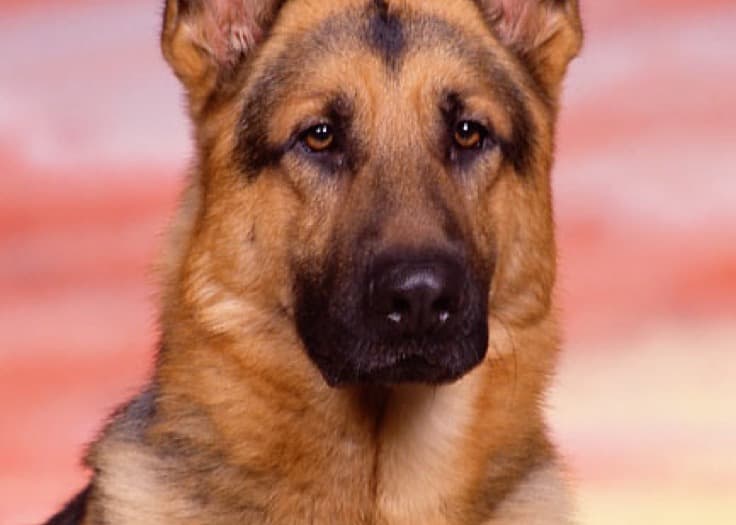
Stats at a Glance
- Size
- Large
- Energy
- High
- Shedding
- High
- Trainability
- Very High
- Apartment
- Challengingi
- High exercise and space needs
- Grooming
- Moderatei
- Barking
- Moderate
- Exercise
- 60–120 min
- With Kids
- Ofteni
- With training & socialisation
- With Dogs
- Dependsi
- Early socialization key
- With Cats
- Possible with socializationi
- Intro and training needed
- Origin
- Germany
Trait Score Snapshot
| Trait | Score |
|---|---|
| Energy | ★★★★☆4/5 |
| Shedding | ★★★★☆4/5 |
| Barking | ★★★☆☆3/5 |
| Grooming demand | ★★★☆☆3/5 |
| Trainability | ★★★★★5/5 |
| Apartment suitability | ★★☆☆☆2/5 |
| Beginner friendliness | ★★☆☆☆2/5 |
German Shepherds are intelligent, loyal, and highly trainable working dogs. With roots in Germany as herding workers, they later became widely used in police, military, search-and-rescue, and service roles. They are known for their focus, protective instincts, and strong work ethic. For the right household, a German Shepherd can be an exceptionally devoted companion.
However, this breed is not low-maintenance. German Shepherds typically require structured training, daily exercise, and clear boundaries. Without consistent leadership and mental stimulation, they can become restless or develop behavioral issues.
This guide is informational and not veterinary advice. Consult a licensed veterinarian for medical concerns.
Bottom line: A German Shepherd is a strong fit for experienced, active owners who want a highly trainable, devoted working dog and are ready to invest in structured training, daily exercise, and early socialization. It is a weaker fit for first-time owners, sedentary households, or anyone who underestimates the breed's drive and mental stimulation needs.
Size & lifespan
Most German Shepherds stand 22–26 inches tall at the shoulder and typically weigh 50–90 pounds, depending on sex and lineage.
The average lifespan ranges from 9–13 years, though genetics, activity level, and weight management can influence longevity.
History & origin
The German Shepherd was developed in Germany in the late 19th century by cavalry officer Max von Stephanitz. In 1899, he purchased a dog named Horand von Grafrath at a dog show and founded the Verein für Deutsche Schäferhunde (Society for German Shepherd Dogs), establishing the breed standard. Von Stephanitz's goal was a working dog defined by utility above all else — intelligent, physically capable, and highly trainable.
The breed's herding origins gave way quickly to working roles as industrialization reduced the need for herding dogs. German Shepherds were deployed extensively in both World Wars as messenger, guard, and search dogs, and their performance brought global recognition. The American Kennel Club recognized the breed in 1908.
Today German Shepherds remain among the most widely used working breeds in the world — in police, military, search-and-rescue, detection, guide, and service roles. That working lineage is directly reflected in every ownership consideration: high drive, need for purpose, and the requirement for an owner who can channel those qualities.
Lifestyle fit
- Apartment Living: Challenging — size, energy, and mental stimulation needs are difficult to meet without substantial outdoor access
- First-Time Owners: Not recommended — intelligence and drive require confident, experienced handling
- Families with Kids: Good fit in structured households with consistent training and early socialization
- Active Households: Strong fit
- Low-Energy Homes: Poor fit
- Seniors: Challenging — high exercise and training demands are significant commitments
Quick take: Is a German Shepherd right for you?
Pros
- Highly intelligent and among the most trainable breeds — excels in obedience, advanced tasks, and working roles
- Deeply loyal and bonded to their household with a natural protective instinct
- Versatile — dogs from reputable rescues and shelters often have solid foundational training
- High performance ceiling for owners who invest in structured training
Cons
- Requires experienced handling — intelligence makes both good and bad habits develop fast
- High daily exercise and mental stimulation needs — under-stimulated GSDs often develop problematic behaviors
- Heavy shedding year-round with seasonal coat blows
- Can be reactive, selective, or overprotective without thorough early socialization
Best for
- Experienced, active owners who enjoy training
- Households seeking a loyal, purpose-driven companion
- Families willing to invest in early socialization and consistent structure
- Homes with space and routine
Not ideal for
- First-time or inexperienced owners
- Sedentary households or owners frequently away from home
- People unprepared for heavy shedding and ongoing training commitment
What living with a German Shepherd is actually like
Expect a dog that is always paying attention — to you, to the environment, and to anything that changes in its territory. For an active household that provides daily structure, training, and purpose, a GSD can feel like an extraordinary partner. For a household that is frequently away, inconsistent with rules, or unprepared for the adolescent intensity phase (roughly 8 months to 2 years), the combination of intelligence, drive, and size quickly becomes difficult to manage. Shedding is relentless and should be treated as a fixed cost of ownership, not an occasional nuisance.
Temperament & personality
German Shepherds are often described as confident, alert, and deeply bonded to their family.
Loyal and protective
Many form strong attachments and may display natural guarding tendencies. Early socialization is essential to promote balanced responses to strangers and new environments.
Intelligent and responsive
They often excel in obedience training and advanced tasks. Compared to independent breeds like the Siberian Husky, German Shepherds are typically more handler-focused.
High drive and purpose-oriented
German Shepherds frequently thrive when given structured activities such as advanced obedience, scent work, or skill-based training.
Exercise needs: How much activity does a German Shepherd need?
Most adult German Shepherds benefit from 60–120 minutes of daily activity, combining physical exercise and mental engagement.
A balanced routine might include:
- 30–60 minutes of brisk walking, jogging, or structured play
- 10–20 minutes of obedience or skill training
- Puzzle toys or scent-based enrichment
- Controlled social exposure
Why mental stimulation matters
Physical exercise alone may not be enough. German Shepherds often require structured learning to feel satisfied.
Signs of insufficient stimulation
- Excessive barking
- Destructive chewing
- Restlessness or pacing
- Overprotective behavior
For other highly active breeds, see: High-Energy Dog Breeds
Shedding & grooming
German Shepherds have a dense double coat and are known for heavy shedding.
Shedding expectations
- Noticeable year-round shedding
- Heavy seasonal shedding (“blowing coat”)
Grooming routine
- Brushing several times per week
- Daily brushing during peak shedding seasons
- Occasional bathing as needed
Regular grooming helps manage loose hair but does not eliminate shedding.
Training & behavior
Training is essential for this breed.
Training difficulty
Generally considered very highly trainable, especially when training is structured and consistent.
Common behavior challenges
- Pulling on leash
- Guarding tendencies if poorly socialized
- Reactivity to unfamiliar people or dogs
- Over-alertness to environmental stimuli
Practical training tips
- Begin structured training early.
- Prioritize socialization during puppyhood.
- Reinforce calm behaviors in public settings.
- Maintain consistent rules and boundaries.
Because they learn quickly, both positive and undesirable behaviors can develop rapidly.
Are German Shepherds good family dogs?
Many German Shepherds can be devoted family companions when properly trained and socialized. They often bond strongly with household members and may be protective of children.
However:
- Supervision with young children is important.
- Socialization with visitors and other pets should begin early.
- Structured routines improve long-term stability.
Compared to more socially flexible breeds like the Labrador Retriever, German Shepherds may require more structured guidance.
Are German Shepherds good for apartments?
German Shepherds can live in apartments if their activity and training needs are fully met. However, they are typically better suited to homes with more space.
Apartment living may work if:
- Exercise is consistent and substantial
- Mental stimulation is structured
- The dog is trained to settle indoors
Without adequate engagement, confined spaces can amplify behavioral challenges.
For more apartment-suited breeds, see: Best Dogs for Apartments
Adoption, rescue, and foster considerations
German Shepherds are commonly seen in rescue, often surrendered because their energy, training demands, or protective behaviors exceeded what owners expected. A common reason GSDs enter shelters is an owner-experience mismatch — the breed's intelligence and drive require consistent structure that not every household is prepared for.
Adopting an adult GSD through a breed-specific rescue is often a strong choice. A foster caregiver can tell you whether the dog has leash reactivity, how it responds to strangers at the door, whether it shows separation anxiety, and what training foundation it already has — information that is genuinely difficult to predict in a puppy.
Ask the rescue or foster:
- How does this dog respond to unfamiliar people approaching the home or on walks?
- Any reactivity to other dogs or specific triggers?
- How does the dog behave when left alone — calm, anxious, or destructive?
- Any history of hip or elbow issues, rear limb weakness, or gait changes?
- What does the current training foundation look like — commands known, leash manners, settling behavior?
Common German Shepherd owner challenges
Reactivity and socialization gaps
Without thorough early socialization, German Shepherds can become reactive to strangers, unfamiliar dogs, or environmental stimuli. This is often underestimated. Ongoing controlled socialization — not just as a puppy, but throughout adolescence — is one of the most important investments an owner can make. Reactivity that develops early and goes unaddressed tends to compound over time.
Adolescent intensity
GSDs between roughly 8 months and 2 years are often at their most demanding — high drive, easily aroused, and testing boundaries. This phase is manageable with structured daily training and adequate exercise, but it catches many owners off guard. Enrolling in a structured obedience class during this period is a practical recommendation, not optional enrichment.
Shedding
Year-round heavy shedding with pronounced seasonal coat blows is a fixed ownership reality. Brushing 2–3 times per week minimum — daily during seasonal blows — reduces volume on furniture and clothing but does not eliminate it. This breed sheds significantly more than many owners anticipate.
Health considerations
Common health considerations
- Hip and elbow dysplasia
- Degenerative myelopathy
- Bloat (gastric torsion) in some individuals
Weight & lifestyle risks
German Shepherds prone to hip and elbow dysplasia benefit significantly from maintaining a lean body weight throughout life. Excess weight accelerates joint deterioration. Structured exercise and controlled feeding from an early age are important preventive measures.
Questions to ask your shelter or vet
- Any hip or elbow evaluation history (OFA or PennHIP)?
- Any signs of rear limb weakness, stumbling, or gait changes?
- Feeding schedule and any bloat-prevention practices in place?
- What is the current weight and body condition score?
Consult a veterinarian for medical advice specific to your dog.
Cost to own a German Shepherd
Typical expense categories include:
- Food — large-breed volume adds up; expect to budget more than the average mid-size dog
- Routine veterinary care and preventative medications
- Training classes or professional guidance — structured training is not optional for this breed, and many owners find professional support worthwhile, especially during adolescence
- Grooming supplies; occasional professional grooming during heavy shedding seasons
- Joint management costs later in life — hip and elbow issues are common in the breed, and ongoing supplementation or vet care can add to long-term expenses
For budgeting guidance, see: How Much Does a Dog Cost Per Month?
Similar breeds to research
If you are drawn to German Shepherds, these breed profiles may also be worth exploring:
German Shepherd comparison pages
Other comparisons