Great Dane: Temperament, Care & Lifespan
Learn about Great Dane temperament, short lifespan (7–10 years), GDV bloat risk, giant-breed costs, and whether this gentle giant fits your household.
Updated
Stats at a Glance
- Size
- Giant
- Energy
- Low to Moderate
- Shedding
- Moderate
- Trainability
- Moderate
- Apartment
- Possible (space required)i
- Size is the main constraint
- Grooming
- Lowi
- Barking
- Low to Moderate
- Exercise
- 30–60 min
- With Kids
- Ofteni
- Supervision near small kids
- With Dogs
- Often
- With Cats
- Often with socializationi
- Gentle; size gap needs slow intro
- Origin
- Germany
Trait Score Snapshot
| Trait | Score |
|---|---|
| Energy | ★★☆☆☆2/5 |
| Shedding | ★★★☆☆3/5 |
| Barking | ★★☆☆☆2/5 |
| Grooming demand | ★☆☆☆☆1/5 |
| Trainability | ★★★☆☆3/5 |
| Apartment suitability | ★★★☆☆3/5 |
| Beginner friendliness | ★★☆☆☆2/5 |
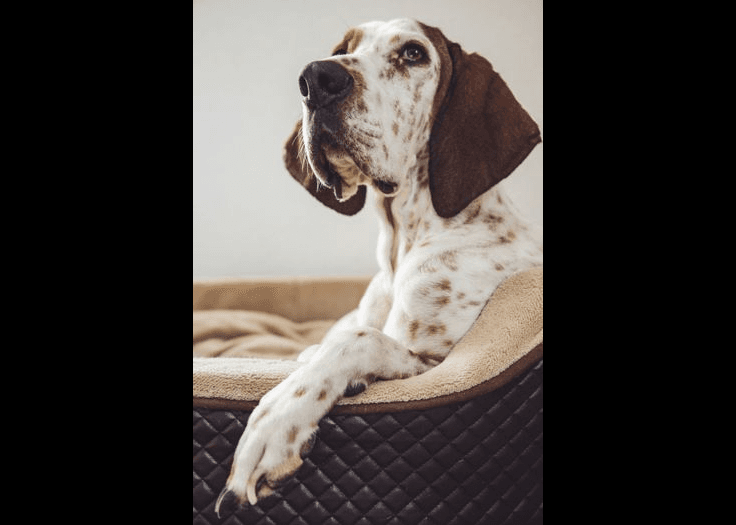
Great Danes are one of the tallest dog breeds in the world, commonly described as "gentle giants" for their affectionate nature and calm indoor demeanor. Despite their imposing size, many Great Danes are sociable, patient dogs that bond closely with their families and tend to get along well with children and other animals.
That size, however, comes with real trade-offs: a shorter-than-average lifespan, substantial food and veterinary costs, and a physical presence that demands early training and careful management. Owning a Great Dane is rewarding for the right household — but it requires honest preparation.
This guide is informational and not veterinary advice. Consult a licensed veterinarian for medical concerns.
Bottom line: A Great Dane is a strong fit for people who want a calm, affectionate large companion and are ready for above-average health, food, and training investment; it is a weaker fit for small spaces, tight budgets, or anyone who hasn't fully sat with the 7–10 year lifespan.
Size & lifespan
Great Danes are among the largest dog breeds by height.
- Males: typically 120–175 lbs, 30–32 inches at the shoulder
- Females: typically 99–130 lbs, 28–30 inches at the shoulder
The average lifespan is 7–10 years — shorter than most breeds due to the metabolic demands of their giant size. Some lines may live beyond 10 years; others, particularly those with cardiac predispositions, may not reach 8. Understanding this before committing is important.
History & origin
Despite the name, the Great Dane has no meaningful connection to Denmark. The breed was developed in Germany — likely from large hunting dogs including crosses of English Mastiffs and Irish Wolfhounds — primarily for hunting wild boar. These powerful dogs needed both the size to pursue large game and the steadiness to hold it.
By the 1600s, German nobility kept these dogs as estate guardians and symbols of status. The breed was refined over subsequent centuries toward its modern temperament: less aggressive than its hunting-dog ancestors, more sociable, and better suited to family life.
The American Kennel Club recognized the Great Dane in 1887. Today the breed is consistently popular as a companion, known as much for its gentle personality as its dramatic size.
Lifestyle fit
- Apartment Living: Possible only with daily exercise and a large enough living space — most do better in homes
- First-Time Owners: Moderate challenge — calm temperament helps, but size and health complexity are significant commitments
- Families with Kids: Often a strong fit in households with older children and clear boundaries
- Active Households: Moderate fit — they enjoy daily activity but are not high-drive
- Low-Energy Homes: Possible — calmer indoors than most large breeds, but daily walks and giant-breed logistics still apply
- Seniors: Challenging — calm indoors, but the size, financial demands, and shorter lifespan are significant considerations
Quick take: Is a Great Dane right for you?
Pros
- Calm, gentle temperament that is manageable indoors for their size
- Deeply affectionate and strongly bonded to family
- Low grooming demands — short coat requires minimal maintenance
Cons
- Short average lifespan of 7–10 years
- High food and veterinary costs due to size and health risks
- Early training is non-negotiable — a poorly trained 150-lb dog is a genuine safety challenge
Best for
- Families or individuals with enough living space for a very large dog
- Owners prepared for above-average veterinary and food costs
- Households where someone can commit to early obedience training
- People who want a loyal, calm large companion that is not physically high-maintenance
Not ideal for
- Small apartments without room for a giant-breed dog to move comfortably
- Owners unprepared for a short lifespan and potential late-life health expenses
- Very active households expecting a high-endurance athletic breed
- Families with small toddlers who may be knocked over by accidental contact
What living with a Great Dane is actually like
Expect a dog that takes up significant physical and financial space, seeks closeness, and spends most of the day as a calm indoor presence. A typical day involves two moderate walks, a lot of nearness to its people, and very little high-energy activity. For the right household — one with space, patience, and financial preparedness — that combination feels rewarding in a way that few breeds match. For the wrong one, the costs, the short lifespan, and the physical demands of managing a 150-lb dog outweigh the appeal.
Temperament & personality
Great Danes are generally friendly, patient, and affectionate dogs that tend to be sociable with both people and other animals.
Gentle but not timid
Many Great Danes are confident without being aggressive. They are not typically reactive or easily startled. Their sheer size can deter unwanted visitors, but their default temperament is usually approachable — not guarded or independent.
Affectionate and family-oriented
Most Great Danes form strong bonds with their household members and actively seek close contact. This breed is not well-suited to life alone outdoors or isolated from the family. They often behave more like oversized lap dogs than aloof guardians.
Sensitive disposition
Great Danes tend to respond well to calm, patient handling. Harsh or correction-heavy training methods are generally counterproductive — this breed typically learns better through consistency and encouragement.
Socialization still matters
Despite a naturally outgoing disposition, early exposure to different environments, people, and animals improves confidence and reduces the chance of stress-related behavior in unfamiliar settings. A Great Dane that was not well-socialized as a puppy can become anxious or reactive in busy public environments.
Exercise needs
Great Danes have moderate exercise needs — less than you might expect for a dog of this size.
Most adult Great Danes do well with 30–60 minutes of daily activity, split between walks and some free movement time. High-intensity activities like running should be limited, especially in puppies, because excessive impact exercise during growth can stress developing joints.
A typical routine may include:
- Two moderate leash walks daily
- Occasional off-leash time in a safely enclosed area
- Low-impact enrichment such as sniff walks or short training sessions
Puppy exercise caution
Great Dane puppies grow at a rapid rate, and joint development is not complete until approximately 18–24 months. Forced repetitive exercise — long runs, stair drills, prolonged jumping — during this phase can contribute to orthopedic problems that affect the dog's quality of life long-term. Short, calm walks are preferable for young Great Danes.
Shedding & grooming
Shedding
Great Danes have short, sleek coats and shed at a moderate level year-round. While individual hairs are short, the volume accumulated from a large body surface area is noticeable on furniture and dark clothing. A weekly brush-down reduces the amount shed into the environment.
Grooming routine
Grooming demands are low relative to most breeds:
- Weekly brushing with a rubber grooming mitt or soft bristle brush
- Bathing every 6–8 weeks or as needed (bathing a 150+ lb dog requires some preparation)
- Routine nail trimming, ear checks, and dental care
Professional grooming is rarely necessary for Great Danes, though some owners seek it for convenience. For a full comparison of breeds with minimal grooming demands, see Low-Grooming Dog Breeds.
Training & behavior
Great Danes are trainable, but the window for establishing good habits is short — and the consequences of not training early are significant at this size.
Why early obedience matters for giant breeds
A 150-lb dog that pulls on leash, jumps on people, or bolts through doorways is a genuine safety concern — even if completely friendly. Basic obedience training in puppyhood is essential for this breed, not optional.
Training approach
Most Great Danes are people-pleasing and responsive to calm, positive reinforcement-based methods. They are not stubborn in the same way some working breeds are. However, repetition and patience are needed — they are not as quick to learn complex commands as a Border Collie or German Shepherd.
Common behavior challenges
- Leash pulling (due to size rather than aggression)
- Jumping up to greet people
- Counter-surfing (their height makes kitchen surfaces easily accessible)
- Separation anxiety if left alone for extended periods
Are Great Danes good with kids?
Great Danes can be excellent family dogs, particularly for families with older children. They are generally patient and gentle in temperament.
The primary concern with young children is physical: a friendly, well-meaning Great Dane can knock over a small child without any intention of doing so. Supervision around toddlers is important not because of aggression but because of sheer size.
With older children who know how to interact calmly, most Great Danes are loyal and affectionate companions that rarely show aggression toward family members.
For more family-suited breeds: Best Dogs for Families
Are Great Danes good for apartments?
Great Danes can adapt to apartment life in some cases, but only with enough indoor space, calm building logistics, and consistent daily exercise. Practicalities matter:
- The apartment must have enough floor space for the dog to move, stretch, and turn around without cramping
- Daily outdoor exercise is non-negotiable
- Building infrastructure (elevators, narrow hallways, stairs) requires a dog that is comfortable navigating close quarters calmly
- Neighbor awareness of a large dog moving around overhead or in shared spaces is relevant
In buildings with reliable outdoor access and a committed daily walk routine, some Great Danes live contentedly in apartments. In cramped spaces without adequate exercise, management becomes difficult for both dog and owner.
For more apartment-friendly breeds: Best Dogs for Apartments
Adoption, rescue, and foster considerations
A common reason Great Danes enter rescue is owner miscalculation — the dramatic size and gentle reputation draw interest, but the financial, medical, and physical realities surprise some households. Food costs, unexpected veterinary bills, and the impact of a 150-lb dog on daily logistics are frequently underestimated.
An adult Great Dane from rescue has real advantages over a puppy: temperament is established, full size is visible, and a foster caregiver has direct experience with how the dog behaves at home and with people. Adults may also have some obedience foundation already in place.
Searching for breed-specific rescue organizations is a good starting point; many operate regional networks and can help match dogs to households.
If you are open to a mix, giant-breed dogs and large dogs with Dane-like builds appear at general shelters and rescue organizations and carry similar space, cost, and shortened-lifespan considerations. Understanding this profile helps you assess any large or giant-type dog with greater accuracy before committing. The adoption readiness guide covers what to evaluate before taking on a giant-breed dog from any source.
Ask the rescue or foster:
- How is the dog on leash — does it pull, lunge, or react to other dogs or people?
- Is there any history of anxiety, destructive behavior, or difficulty when left alone?
- How does the dog behave around children, small animals, or other dogs?
- Is there any cardiac screening, orthopedic evaluation, or known health history?
- What is the dog's current daily routine — exercise, feeding schedule, and activity level?
Common Great Dane owner challenges
Size-driven management during puppyhood
Great Danes grow rapidly, and the habits they develop in the first year persist at full size. Leash manners, furniture rules, and behavior around guests that are minor issues in a 20-lb puppy become genuinely difficult to manage in a 140-lb dog. Early, consistent training is the single most effective investment a new owner can make.
Financial demands and planning for emergencies
Food costs for a Great Dane run well above average breeds, and veterinary procedures scale with body weight. GDV — a potentially fatal surgical emergency — can arrive without warning, with treatment costs often reaching several thousand dollars. Pet insurance is worth serious consideration before the first year is out.
Accepting a shorter lifespan
The 7–10 year lifespan is information many prospective owners absorb but don't fully consider before committing. The emotional reality of a deeply bonded, short-lived dog is worth honest reflection: grief often arrives earlier than expected, and the decision to get another Great Dane — or not — is one many owners find themselves facing while still mourning.
Health considerations
Common health considerations
- Bloat (GDV — gastric dilatation-volvulus): The most serious health risk for Great Danes. The stomach can fill with gas and twist, blocking blood supply, which is life-threatening without immediate surgery. Large, deep-chested breeds are disproportionately affected. Preventive gastropexy — surgical attachment of the stomach to prevent twisting — is an option many owners discuss with their vet, particularly at the time of spaying or neutering.
- Hip dysplasia and joint disease: Common in giant breeds, and often worsened by rapid growth combined with over-exercise in puppyhood.
- Dilated cardiomyopathy (DCM): Cardiac enlargement is seen in some Great Danes and can meaningfully affect lifespan.
- Wobbler syndrome (cervical spondylomyelopathy): A neurological condition affecting the neck vertebrae, which can impact gait and mobility.
Questions to ask your shelter or vet
- Has the dog had any orthopedic evaluation or hip screening?
- Is there any cardiac screening history?
- Any signs of an unsteady gait, neck stiffness, or reluctance to move?
- Has a preventive gastropexy been discussed or performed?
Consult a veterinarian for medical advice specific to your dog.
Cost to own a Great Dane
Estimated monthly range: $220–$530+ for most owners.
| Expense | Typical monthly range |
|---|---|
| Food | $100–$160 |
| Routine vet care (annual checkups averaged monthly) | $30–$80 |
| Preventatives (flea, tick, heartworm) | $25–$60 |
| Grooming | $0–$15/mo |
| Training (recommended, especially year 1) | $15–$60 |
| Estimated total | $220–$530+/mo |
Row ranges show common category costs; the total reflects more realistic monthly ownership, including small recurring supplies and misc. expenses not listed separately.
Food is the single largest cost — a Great Dane can consume 8–10+ cups of kibble daily. All veterinary costs scale with body weight: drug dosages, anesthesia, surgical supplies. GDV risk is among the highest of any breed and makes pet insurance a strong recommendation rather than a nice-to-have. Equipment (bed, crate, harness) also scales meaningfully with size.
For a full methodology and breakdown by size: How Much Does a Dog Cost Per Month?
Want a personalized estimate? A Monthly Cost Calculator is in development — it will let you customize by breed size, coat type, health profile, and region. Explore planning tools →
Similar breeds to research
If you are drawn to a Great Dane, consider these profiles:
- Rottweiler — guardian breed with comparable loyalty; significantly smaller, more energy to manage, and lower GDV risk
- Boxer — similarly playful and family-oriented; much smaller, higher energy output, and shorter lifespan on average
- Doberman Pinscher — tall and athletic like the Great Dane; more energy, stronger protection drive, and lower food and equipment cost
For a structured side-by-side: Great Dane vs Boxer · Great Dane vs Doberman Pinscher · Great Dane vs Rottweiler
Great Dane comparison pages
Other comparisons