Cavalier King Charles Spaniel vs Shih Tzu: Grooming, Barking & Health
Both are apartment-friendly companions, but Cavaliers and Shih Tzus differ on grooming, barking, trainability, and health. Find the better fit for your home.
Updated
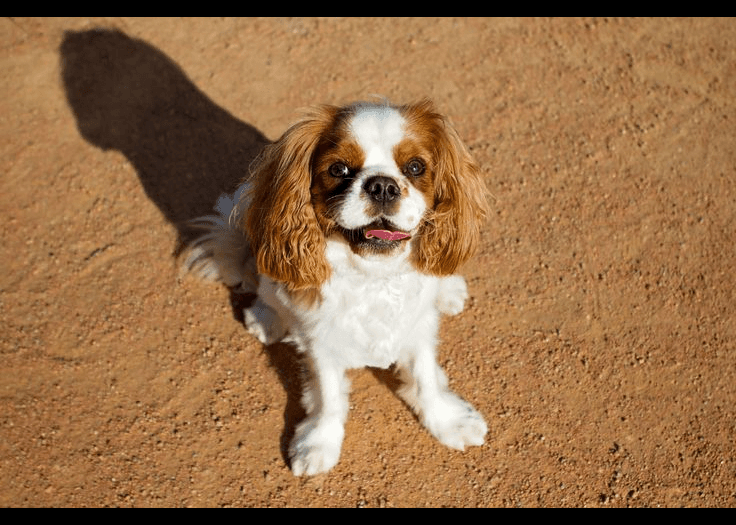
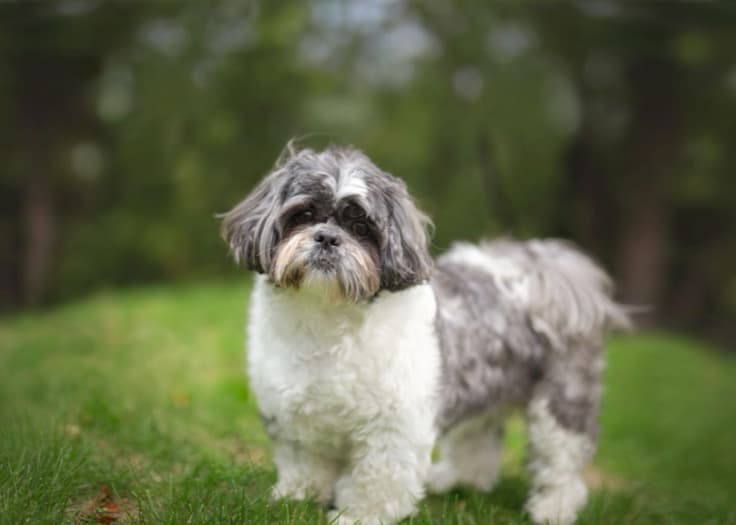
Quick Verdict
Better fit for families with kids
Cavalier King Charles Spaniel
Cavalier King Charles Spaniel: Gentle and attentiveiGentle and attentive; higher energy floor and eagerness to engage tend to suit active families and younger children wellShih Tzu: best with older, calmer childreniGentle and affectionate; fragility at the lower end of the weight range means supervision and calm handling matter, and the breed suits older or quieter children better than households with very young, rough-playing kids
Cavalier King Charles Spaniel
Cavalier King Charles Spaniel: Very beginner-friendlyShih Tzu: Beginner-friendly
Lower barking tendency
Cavalier King Charles Spaniel
Cavalier King Charles Spaniel: Low to ModerateShih Tzu: Moderate to High
Lower grooming needs
Cavalier King Charles Spaniel
Cavalier King Charles Spaniel: ModerateiBrushing 2–3x per week; ear feathering and leg furnishings need regular attention to prevent mattingShih Tzu: HighiDaily brushing essential to prevent matting; professional trims every 6–8 weeks
Similar for both
Cavalier King Charles Spaniel: Gentle; usually a good fitiLow prey drive and companion-first temperament; Cavaliers typically adjust to household cats without significant difficulty and are one of the more cat-friendly small breedsShih Tzu: Gentle; typically fineiBred purely for companionship with minimal hunting drive; Shih Tzus typically coexist peacefully with resident cats
Comparable
Cavalier King Charles Spaniel: no conditions requirediLow-Moderate barking makes them one of the quieter apartment companions; moderate exercise needs are easy to meet with daily walksShih Tzu: lower exercise needsiPhysically well-suited to small spaces with low exercise needs, but Moderate-High barking requires active training management in shared-wall buildings
Verdicts are based on trait ratings. Always evaluate individual dogs and confirm behavior with the shelter, foster, or rescue organization.
Stats at a Glance
| Trait | Cavalier King Charles Spaniel | Shih Tzu |
|---|---|---|
| Size | Small | Small |
| Energy | Low to Moderate | Low |
| Shedding | Moderate | Low to Moderate |
| Grooming | Moderate | High |
| Trainability | High | Moderate |
| Barking | Low to Moderate | Moderate to High |
| Apartment Friendly | Yes | Yes |
| Good With Kids | YesGentle and attentive | Yes (with supervision)best with older, calmer children |
| Good With Dogs | Often | Often |
| Good With Cats | OftenGentle; usually a good fit | OftenGentle; typically fine |
| Daily Exercise | 30–60 min/day | 20–40 min/day |
| Typical Lifespan | 12–15 years | 12–16 years |
| Beginner Friendly | Very beginner-friendly | Beginner-friendly |
Both the Cavalier King Charles Spaniel and the Shih Tzu are small, affectionate companion dogs that adapt well to apartment living and life with families. They share a low-energy baseline, apartment-friendly temperaments, and a people-oriented nature that makes them well-suited to owners who want a close, sociable companion. Where they diverge is in grooming commitment, trainability, barking tendency, and one breed-specific health consideration that sets the Cavalier apart: a strong predisposition to Mitral Valve Disease. Those differences — particularly grooming and health — tend to drive the real decision between these two breeds.
Main difference: Cavaliers are easier to train and typically quieter, but carry a significant breed-specific heart risk. Shih Tzus shed less and need less exercise, but require substantially more grooming.
Who should choose each breed?
Choose a Cavalier King Charles Spaniel if
- You want an easier-to-train, highly responsive companion from a small breed
- You can manage moderate shedding but prefer a lower grooming time commitment
- A quieter indoor presence matters in your home or building
- You are prepared to budget for cardiac monitoring and potential heart-related care as the dog ages
Choose a Shih Tzu if
- You want a low-shedding dog and can commit to a daily brushing routine
- A lower-energy, deeply settled companion suits your lifestyle
- You can manage vocal alertness with consistent training
- Grooming is something you enjoy or can budget for professionally
Size and build
Both breeds are toy-sized and designed for close indoor living. Cavaliers typically weigh 12–18 pounds and stand around 12–13 inches, giving them a slightly more substantial, athletic build. Shih Tzus are smaller and more compact at 9–16 pounds and 9–10.5 inches tall. Both are light and easy to handle, transport, and manage in smaller spaces.
The Cavalier's slightly larger frame is rarely a practical concern, but it can mean modestly higher food and care costs over time. For owners prioritising the smallest possible footprint, the Shih Tzu has a marginal physical advantage.
Temperament and personality
Both breeds are affectionate, sociable, and closely attached to their owners. Neither is suited to long periods alone, and both tend to shadow their family throughout the day. The temperamental overlap is substantial — both dogs are gentle, people-oriented, and low on aggression.
The key contrast is in responsiveness and energy. Cavaliers are notably engaged and attentive — they make eye contact readily, respond quickly to owner cues, and show a gentle eagerness to participate in whatever their family is doing. This attentiveness is part of what makes them easier to train. They carry enough working dog heritage to be genuinely interested in direction.
Shih Tzus are more self-contained. They are affectionate and companionable, but on their own terms — content to be near you without necessarily following your lead. This independence is not stubbornness in a difficult sense, but it does mean you get less automatic responsiveness in training. They are equally warm and devoted in their attachment; the difference is more in style of interaction than depth of bond.
Both breeds can develop separation-related stress in households where they are left alone frequently. This is a shared consideration, not a differentiator.
Exercise and stimulation needs
Exercise needs are modest for both breeds, but the Shih Tzu's floor is lower. Cavaliers do best with 30–60 minutes of daily activity. Shih Tzus typically require only 20–40 minutes. For most households, both are easily manageable; for a very low-activity household or an owner with mobility constraints, the Shih Tzu's slightly lower exercise requirement is a real advantage.
Neither breed is suited to demanding exercise routines, sustained running, or significant heat exposure. Both do better with shorter, cooler-weather walks and indoor play rather than prolonged outdoor activity.
Cavaliers benefit from moderate mental engagement to complement their physical walks — their attentiveness and trainability mean they adapt well to short training games, sniff walks, and basic trick work. Shih Tzus are more content with lower stimulation overall.
Shedding and grooming
This is the most practically significant difference between the two breeds.
Shih Tzu grooming is among the highest-maintenance of any small companion breed. The dense, fast-growing double coat requires daily brushing to prevent matting, and professional grooming every 6–8 weeks is necessary to maintain coat health. This is a standing time and cost commitment that should be factored into the full ownership picture before choosing this breed.
Cavalier grooming is noticeably more manageable. Brushing 2–3 times per week keeps the silky coat in good condition, with extra attention to the ear feathering and leg furnishings where tangles form most easily. Professional grooming is helpful but at a lower frequency. The Cavalier's total grooming investment is substantially less.
On shedding, the dynamic reverses. Cavaliers shed moderately and leave visible loose fur on furniture and clothing — a real consideration for neat households. Shih Tzus have a Low-Moderate shedding rating, as their long coat tends to hold shed hair internally rather than releasing it onto surfaces. The tradeoff is straightforward: the Shih Tzu sheds less visibly but demands more grooming to manage the retained hair.
Training and behavior
Trainability is a clear Cavalier advantage. Rated High for trainability, Cavaliers are among the more responsive small breed companions — willing to engage, relatively quick to learn, and well-suited to positive reinforcement training. For a first-time owner, this makes a genuine practical difference in daily life. For a broader look at highly trainable breeds, see our Easiest Dogs to Train guide.
Shih Tzus are rated Moderate. They are not difficult or obstinate dogs, but their naturally independent character means they engage with training on their own terms. Short sessions, high-value food rewards, and patience produce the best results. Expectations should be calibrated accordingly — a Shih Tzu will learn house manners and basic cues, but is unlikely to perform with the consistency or precision of a higher-trainability breed.
Barking is a notable behavioral differentiator. Shih Tzus are rated Moderate-High and tend to bark at sounds, movement, and unfamiliar visitors — vocal alertness is wired into the breed. In an apartment building with shared walls, this requires active management. Cavaliers are rated Low-Moderate and are generally quieter day-to-day, with less reactive barking.
Apartment and family fit
Which is better for apartments?
Both breeds have the top apartment suitability rating, and both are genuinely well-suited to smaller spaces. The meaningful distinction for apartment living is noise. Shih Tzus' Moderate-High barking rating can create real friction in buildings where sound travels easily. With consistent training, barking can be managed, but it requires ongoing attention. Cavaliers' Low-Moderate barking makes them the lower-risk choice for quiet buildings and shared-wall environments.
For a full view of breeds suited to smaller spaces, see our best dogs for apartments guide.
Which is better for families with kids?
Both breeds rate well for family fit — Cavaliers and Shih Tzus are each rated Yes for compatibility with children. Both are gentle and non-aggressive by nature. The main difference is that Cavaliers' higher energy floor (Low-Moderate vs Low for the Shih Tzu) and more interactive temperament tend to make them a slightly better match for families with active young children. Shih Tzus are softer and more settled, which pairs well with calm households and older children who handle small dogs gently.
As with any breed, children should be taught how to interact appropriately, and adult supervision is important regardless of temperament ratings. Individual dog personalities vary. See our best dogs for families guide for broader guidance.
Which is easier for first-time owners?
Both are accessible first dogs. The Cavalier's 5/5 beginner-friendly rating reflects its trainability and forgiving temperament. The Shih Tzu's 4/5 rating acknowledges that grooming demands and vocal tendencies add real ongoing commitment.
The most important first-time owner consideration specific to the Cavalier is health awareness: Mitral Valve Disease is prevalent in the breed and requires proactive veterinary monitoring. This is not a reason to avoid the Cavalier, but an owner who is not prepared to engage with breed-specific health monitoring and potential cardiac costs will likely be caught off guard. For first-time owners who want the lower-maintenance health profile, the Shih Tzu carries fewer breed-specific medical risks at the cost of higher grooming demands.
Health: a note on Cavalier heart disease
The Cavalier King Charles Spaniel carries a well-documented predisposition to Mitral Valve Disease, a progressive heart condition caused by deterioration of the mitral valve. It is one of the most common causes of death in the breed. Research consistently identifies MVD as a major breed-specific health concern; many Cavaliers develop detectable signs in their mid-years, and the condition progresses at varying rates.
This does not mean every Cavalier will have a short or difficult life — many live comfortably to 13–15 years with appropriate monitoring and management. But prospective adopters should understand the condition, seek out health-tested breeding lines or dogs with known cardiac histories, and build regular cardiac screening into their vet care budget.
Shih Tzus do not carry the same structural heart risk. They are generally a hardier breed from a cardiac standpoint, though they have their own considerations around eye health, intervertebral disc disease (due to their short spinal structure), and respiratory sensitivity in hot weather. For most adopters, grooming and day-to-day coat care are likely to be a more immediate ownership factor for the Shih Tzu than major breed-specific cardiac monitoring is for the Cavalier.
Cost comparison
These are rough planning ranges, not fixed ownership costs. Individual variation by region, insurance, adoption source, and health history is significant.
| Cost area | Cavalier King Charles Spaniel | Shih Tzu |
|---|---|---|
| Food (monthly) | $30–$50 | $25–$45 |
| Grooming upkeep (monthly avg) | $20–$40 | $60–$110 |
| Routine vet care (monthly avg) | $45–$90 | $35–$65 |
| Training / socialisation (est. first year) | $100–$300 | $100–$300 |
| Estimated ongoing monthly budget | $95–$180 | $120–$220 |
Shih Tzu grooming costs are meaningfully higher due to the frequency of professional appointments. Cavalier veterinary costs may be higher in later years if cardiac monitoring and medication become necessary.
For broader budgeting guidance, see How Much Does a Dog Cost Per Month?
Final decision: Cavalier King Charles Spaniel or Shih Tzu?
The decision between these two breeds usually comes down to one of two things: grooming commitment or health risk tolerance.
If you want the lower grooming burden, the Cavalier is the clearer choice. It sheds moderately but does not require daily brushing or professional grooming on a monthly schedule — a material difference in ongoing time and cost. It is also the more trainable and quieter of the two, which makes early ownership smoother for most people.
If you want a lower-shedding dog and can commit to daily brushing, the Shih Tzu is a strong option — especially for very low-activity households or owners who prefer a slightly more independent companion. Its grooming costs are higher, but its health profile is less complicated by breed-specific risk.
The Cavalier's cardiac health consideration deserves honest weight. It is not a dealbreaker for an informed owner, but it is the kind of thing that should be understood before choosing the breed, not after. Similarly, the Shih Tzu's grooming requirements are not casual — daily brushing and regular professional appointments are the baseline, not the exception.
Both breeds are affectionate, apartment-friendly, good with children, and accessible to first-time owners. Individual temperament and dog-specific history matter more than breed averages — meeting dogs in person — at a shelter, through a rescue organization, or in a foster home — is always worth doing before deciding.
If apartment fit, grooming commitment, and companion temperament are your main filters, the Best Small Dog Breeds guide compares both of these breeds alongside other small breeds using those same criteria.