Maltese vs Shih Tzu: Grooming, Size, Health & Apartment Fit
Compare Maltese vs Shih Tzu on grooming demands, size, health risks, lifespan, and apartment fit to find the right small companion dog for your home.
Updated

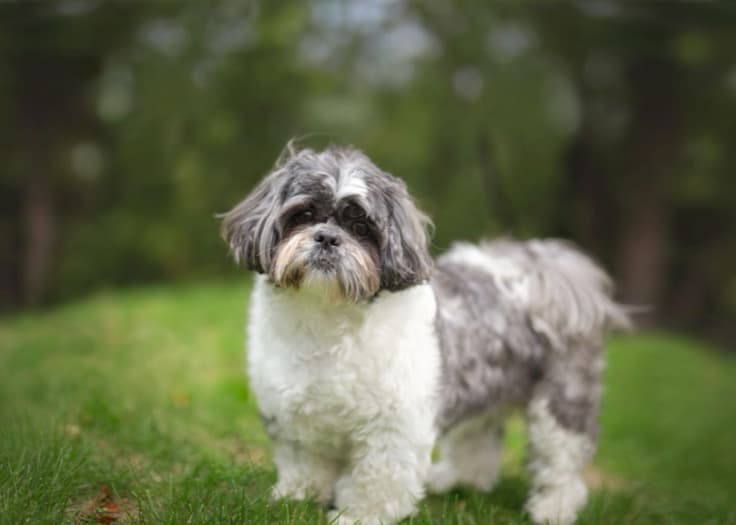
Quick Verdict
Better fit for families with kids
Shih Tzu
Maltese: Best with older kidsiSmall size makes them vulnerable to rough handling; best with calm, older childrenShih Tzu: best with older, calmer childreniGentle and affectionate; fragility at the lower end of the weight range means supervision and calm handling matter, and the breed suits older or quieter children better than households with very young, rough-playing kids
Similar for both
Maltese: Low prey drive; gentleiCompanion temperament with minimal prey drive; typically coexists peacefully with catsShih Tzu: Gentle; typically fineiBred purely for companionship with minimal hunting drive; Shih Tzus typically coexist peacefully with resident cats
Comparable
Maltese: YesiSmall size and low exercise needs suit apartment living well; Moderate-High barking requires some management in shared-wall buildings, though the intensity is lower than Very High barkers — consistent early training keeps it manageableShih Tzu: lower exercise needsiPhysically well-suited to small spaces with low exercise needs, but Moderate-High barking requires active training management in shared-wall buildings
Lower barking tendency
Similar for both
Maltese: Moderate to HighShih Tzu: Moderate to High
Lower grooming needs
Comparable
Maltese: HighiDaily brushing required; silky floor-length coat mats easily and needs regular professional trimsShih Tzu: HighiDaily brushing essential to prevent matting; professional trims every 6–8 weeks
Verdicts are based on trait ratings. Always evaluate individual dogs and confirm behavior with the shelter, foster, or rescue organization.
Stats at a Glance
| Trait | Maltese | Shih Tzu |
|---|---|---|
| Size | Small | Small |
| Energy | Low to Moderate | Low |
| Shedding | Low | Low to Moderate |
| Grooming | High | High |
| Trainability | Moderate | Moderate |
| Barking | Moderate to High | Moderate to High |
| Apartment Friendly | Yes | Yes |
| Good With Kids | Older kids onlyBest with older kids | Yes (with supervision)best with older, calmer children |
| Good With Dogs | OftenWith socialization | Often |
| Good With Cats | OftenLow prey drive; gentle | OftenGentle; typically fine |
| Daily Exercise | 20–30 min/day | 20–40 min/day |
| Typical Lifespan | 12–15 years | 12–16 years |
| Beginner Friendly | Manageable | Beginner-friendly |
Maltese and Shih Tzus are both small companion breeds with similar roots in indoor, apartment-friendly life. Both shed less than most breeds, both require significant grooming regardless of coat length, and both are people-oriented dogs that prefer being near their owners. The practical differences are meaningful but often overlooked: the Shih Tzu is a brachycephalic breed with a compressed airway structure that the Maltese does not share, the Maltese is notably smaller and more fragile, and the two breeds differ in how well they suit households with children. For most buyers comparing these two, grooming commitment is about the same — the decision hinges on health profile, size preference, and household composition.
Who should choose each breed?
Choose a Maltese if
- You want the lightest, most compact companion (under 7 lbs) and very little loose hair in the home
- Your household is calm and adult-only, or has older children who handle small dogs carefully
- Avoiding brachycephalic health complications is a priority
- You are comfortable with a slightly more willful, independent temperament during training
Choose a Shih Tzu if
- You want a slightly sturdier small companion (9–16 lbs) that is more tolerant of children
- A slightly longer average lifespan and a more beginner-friendly temperament matter to your household
- You are prepared to monitor a brachycephalic breed and can avoid heat exposure and overexertion
- You prefer a dog with a marginally calmer indoor energy level
Size and build
The size difference between these breeds is more significant than it first appears. Maltese weigh under 7 pounds and stand 7–9 inches tall — they are among the smallest of all toy breeds, and that lightness makes them physically fragile. Shih Tzus weigh 9–16 pounds and stand 8–11 inches tall. Both are compact, but a Shih Tzu can be more than twice the weight of a Maltese at the high end of each range.
The practical consequence of this gap: Maltese are more vulnerable to injury from rough handling, accidental drops, and boisterous young children. A household with toddlers should weigh this seriously. For adults and older children, either size is manageable in a small home or apartment.
Temperament and personality
Both breeds were developed as companion dogs and share a strong preference for being near their people. Neither is independent or suited to long stretches alone. Both form close bonds with their household and can develop separation anxiety without appropriate early conditioning.
The Maltese tends to carry a more confident, sometimes bold personality despite its size. It is alert, curious, and quick to vocalize at environmental sounds. The Shih Tzu has a gentler, steadier temperament — calm and adaptable, with less reactivity to stimulus. The Shih Tzu is also more consistently tolerant of strangers and new situations, while the Maltese may be more reserved with unfamiliar people.
Neither breed is well-suited to frequent travel or households where the dog will spend most of the day alone. Both do best in households where human presence is consistent.
Exercise and stimulation needs
This is one of the areas where these breeds are most similar. Maltese typically need 20–30 minutes of light daily activity; Shih Tzus need 20–40 minutes. Both are genuine low-exercise companions. Short daily walks and indoor play cover the physical needs of either breed. Neither requires structured running, fetch sessions, or sustained outdoor activity to stay settled indoors.
One note for Shih Tzus: their brachycephalic build means exertion in warm or humid weather should be actively limited. Shih Tzus cannot safely exercise in high heat, which matters for owners in warm climates or during summer months. Maltese do not share this structural limitation, though their small size still makes them cold-sensitive.
For other low-exercise companion breeds, see Low-Energy Dog Breeds.
Shedding and grooming
Both breeds are low-shedding but high-grooming. This combination catches many buyers off guard — the low shedding means less hair on furniture, but the coat still requires significant regular upkeep.
The Maltese has a single-layer silky coat rated Low for shedding. Very little loose hair falls freely; the coat is genuinely low-mess in the home. However, the silky coat mats quickly without regular brushing, and professional grooming every 6–8 weeks is the baseline for most owners. A secondary coat care issue for Maltese is the white coat: tear staining around the eyes is a consistent management task, requiring regular cleaning and sometimes stain-control products.
The Shih Tzu has a long double coat rated Low-Moderate for shedding. Some loose hair is produced but tends to get caught in the coat rather than falling freely. Daily brushing or professional grooming every 6–8 weeks is standard. Many Shih Tzu owners keep the coat in a shorter puppy clip to reduce brushing frequency, but grooming remains a fixed budget line either way.
Grooming costs are similar for both: professional sessions run $50–$80 and average $75–$130 per month when spread across the year. Both breeds need dental care and nail trimming as part of a regular grooming routine.
For a broader comparison of low-shedding breeds, see Low-Shedding Dogs.
Training and behavior
Both breeds are rated Moderate for trainability and both are best trained with short, reward-based sessions. Neither responds well to repetitive drilling. Food motivation is effective for both, though individual variation is high.
The Shih Tzu is rated slightly more beginner-friendly overall (4/5 vs 3/5 for the Maltese), but this gap reflects temperament fit rather than learning ability. The Maltese can be more willful and may resist or disengage from repetitive commands more readily, while the Shih Tzu's calmer, steadier nature makes it slightly more tolerant of inconsistent or less-experienced handling. The learning ceiling is similar between them — the difference is in how forgiving each breed is when the training routine is imperfect. Neither breed will push back in a confrontational way — resistance in toy breeds usually looks like ignoring cues, wandering off, or simply freezing rather than active defiance.
House-training is a known challenge for both breeds. Small bladder capacity, cold sensitivity that makes outdoor trips less appealing in winter, and a general tendency toward selectiveness all extend the house-training timeline compared to larger breeds. Both typically need 2–4 months of consistent effort before indoor accidents become rare.
Both breeds have Moderate-High barking tendencies. Neither is a quiet breed by default. This is manageable with early and consistent training, but it is worth understanding before adopting into a building with shared walls. Ask specifically about barking history when evaluating an individual dog from a rescue or shelter.
Apartment and family fit
Which is better for apartments?
Both breeds are rated Yes for apartment suitability and are genuinely suitable for small-space living. The Maltese is slightly more compact; the Shih Tzu is slightly calmer in energy. Neither has a clear practical edge. Both have Moderate-High barking tendencies that require training management in noise-sensitive buildings — this is the more relevant variable for apartment living than size. See Best Dogs for Apartments for a broader comparison.
Which is better for families with children?
The Shih Tzu is the more family-compatible choice. It is rated Yes for good with kids (with supervision) and is generally calmer and sturdier than the Maltese, which is rated Older kids only. The Maltese's fragility is the central issue — at under 7 lbs, it is vulnerable to injury from rough play or accidental drops, and young children are unpredictable around small dogs. For households with toddlers or primary-school children, the Shih Tzu is meaningfully safer. See Best Dogs for Families for broader family-fit guidance.
Which is easier for first-time owners?
Both are manageable for first-time owners. The Shih Tzu has a slight edge in beginner-friendliness (4/5 vs 3/5), primarily because it is sturdier, calmer, and less reactive — not because it is meaningfully easier to train. Both breeds share the same challenges that catch first-timers off guard: high grooming commitment from day one, house-training that takes longer than average, and consistent barking management. The Shih Tzu's brachycephalic care requirements — heat limits, airway monitoring, facial hygiene — add a specific ownership complexity that partially offsets its temperament advantage. Neither is a hands-off first dog. See Best Dogs for First-Time Owners for a broader starting point.
Health comparison
This is the most consequential difference between the two breeds and the one most buyers underestimate.
Shih Tzus are a brachycephalic breed. The compressed facial structure causes real, lifelong breathing limitations. Shih Tzus overheat more easily than non-brachycephalic breeds, cannot exercise safely in warm weather, may snore, snort, and breathe audibly at rest, and are at elevated risk for Brachycephalic Obstructive Airway Syndrome (BOAS) — a structural condition that in severe cases requires surgical correction. Eye conditions and dental disease (driven by tooth crowding in the small jaw) are also consistent concerns. Responsible ownership of a Shih Tzu means actively managing these health needs, not just monitoring passively.
Maltese are not brachycephalic. Their primary health concerns are patellar luxation (loose kneecaps, common in toy breeds), portosystemic shunts (a liver condition that occurs in some individuals), and dental disease. These are serious when they occur but are not structural or airway-related. Maltese do not have the heat limitations, breathing noise, or surgical risk associated with brachycephalic structure.
For owners who want to avoid the health management burden of a flat-faced breed, the Maltese is the more straightforward choice. For owners who understand and accept brachycephalic care requirements, the Shih Tzu is a well-suited companion that lives slightly longer on average (12–16 years vs 12–15 years). See Longer-Lifespan Dogs for a comparison of small breeds by longevity.
Cost comparison
| Cost area | Maltese | Shih Tzu |
|---|---|---|
| Food (monthly) | $25–$45 | $25–$50 |
| Grooming (monthly avg) | $75–$130 | $75–$130 |
| Routine vet care (monthly avg) | $20–$50 | $20–$55 |
| Training / socialisation (first year est.) | $150–$400 | $150–$400 |
| Estimated ongoing monthly budget | $110–$270 | $110–$270 |
Both breeds fall in the same cost tier. The most significant cost difference is Maltese tear staining — regular eye-area cleaning products are a small but ongoing supply cost. For Shih Tzus, brachycephalic health monitoring may increase veterinary visit frequency over time. Dental care is a consistent cost for both due to toy breed tooth crowding.
For broader budgeting guidance, see How Much Does a Dog Cost Per Month?
Final decision: Maltese or Shih Tzu?
Both are high-grooming breeds, though the coat-management style differs: Maltese require tear stain care as an ongoing routine for the white coat, while Shih Tzus require face hygiene alongside standard brushing and are more likely to need a consistent coat clip choice early on. The apartment fit is about the same. The two meaningful decision drivers are health profile and household composition.
If you want to avoid brachycephalic health complications and prefer the smallest, lightest companion available, the Maltese is the better fit — particularly for calm adult households without young children. If you have children, want a slightly more beginner-tolerant temperament, and are prepared to manage a flat-faced breed's health requirements, the Shih Tzu is the better fit and has a slightly longer average lifespan.
Both breed profiles apply equally if you are evaluating a small mixed-breed dog at a shelter or rescue. Many shelter dogs are Maltese-type or Shih Tzu-type mixes — the same grooming demands, barking tendencies, and fragility considerations apply regardless of breed documentation. An adult dog in foster care will often have documented information about coat type, energy level, and barking history that a shelter intake assessment cannot provide. Shelters, rescue organizations, and foster networks are all valid starting points. See Best Small Dogs for a broader look at the small companion cluster.