Shih Tzu: Temperament, Pros and Cons, Care & Lifespan
Learn about Shih Tzu temperament, grooming demands, exercise needs, and whether this companion breed fits your home and routine.
Updated
Stats at a Glance
- Size
- Small
- Energy
- Low
- Shedding
- Low to Moderate
- Trainability
- Moderate
- Apartment
- Yesi
- lower exercise needs
- Grooming
- Highi
- Barking
- Moderate to High
- Exercise
- 20–40 min
- With Kids
- Yesi
- calmer indoors
- With Dogs
- Often
- With Cats
- Ofteni
- Gentle; typically fine
- Origin
- China
Trait Score Snapshot
| Trait | Score |
|---|---|
| Energy | ★☆☆☆☆1/5 |
| Shedding | ★★☆☆☆2/5 |
| Barking | ★★★★☆4/5 |
| Grooming demand | ★★★★☆4/5 |
| Trainability | ★★★☆☆3/5 |
| Apartment suitability | ★★★★★5/5 |
| Beginner friendliness | ★★★★☆4/5 |
Shih Tzus are affectionate, companion-focused small dogs that often adapt well to apartment living, but their coat care and daily attention needs are higher than many first-time owners expect.
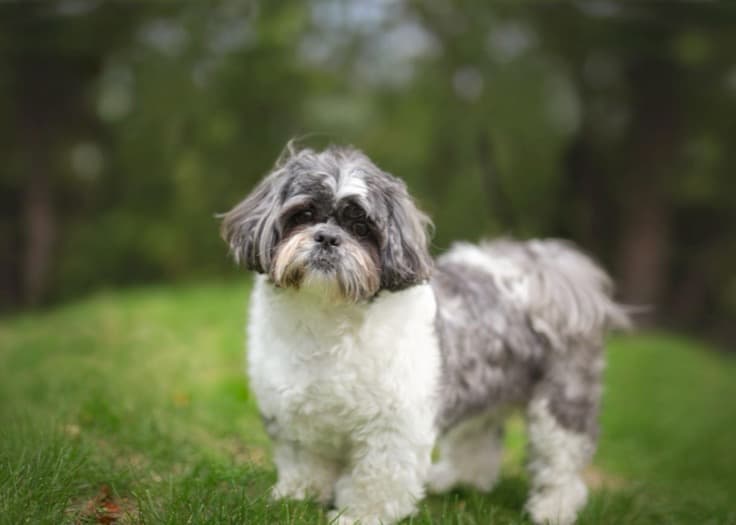
Known for their long, flowing coats and expressive faces, they are typically people-oriented and steady indoors. The key tradeoff: while they shed less than many breeds, their coat requires consistent grooming — and that time commitment is a core part of owning one.
This guide is informational and not veterinary advice. Consult a licensed veterinarian for medical concerns.
Bottom line: A Shih Tzu is a strong fit for people who want an affectionate, compact companion suited to apartment or city living and are ready for a consistent grooming commitment. It is a weaker fit for households seeking minimal coat maintenance or a highly independent dog.
Size & lifespan
Most Shih Tzus weigh 9–16 pounds and stand approximately 8–11 inches tall at the shoulder.
The average lifespan is typically 12–16 years, with many individuals living into their early to mid-teens when properly cared for.
History & origin
Shih Tzus originated in China and Tibet, where they were bred as palace companions for Chinese royalty. The breed was prized for centuries — kept almost exclusively within the imperial court — and rarely seen outside China until the early 20th century. Their name means "lion dog" in Mandarin, reflecting their resemblance to the traditional lion imagery in Chinese art.
After the breed reached Europe in the 1930s and later the United States, Shih Tzus became well-established as companion dogs worldwide. Unlike many small breeds developed for hunting or ratting, they were bred entirely for company — which explains the consistent human attachment that characterizes the breed today.
Lifestyle Fit
- Apartment Living: Excellent — compact, adaptable, and manageable with short daily walks and regular routine
- First-Time Owners: Good fit for owners prepared for daily grooming responsibilities
- Families with Kids: Good fit with supervision (best with gentle handling)
- Active Households: Not ideal — low energy level; better suited to calm or moderate households
- Low-Energy Homes: Good fit
- Seniors: Strong fit — gentle, manageable size, and companion-oriented temperament
Quick take: Is a Shih Tzu right for you?
Pros
- Excellent apartment fit — compact, adaptable, and manageable in smaller spaces with routine and training
- Companion-oriented and affectionate with owners
- Lower exercise needs than most breeds
- Sheds less than many breeds despite the coat length
- Long lifespan — typically 12–16 years
Cons
- High grooming burden — coat requires daily brushing and periodic professional grooming
- Can be mildly stubborn, which can slow training progress
- House-training sometimes takes longer than other breeds
- Brachycephalic build increases risk of breathing, eye, and dental issues
- Some individuals tend toward moderate-to-high barking; apartment neighbors may notice
Best for
- Apartment or city living
- Owners seeking a companion-focused dog
- Households prepared for regular grooming
- Moderate or lower-activity lifestyles
- Seniors or lower-energy households
Not ideal for
- Owners wanting minimal coat maintenance
- Very rough play environments
- Households frequently away from home
- People seeking a highly athletic dog
What living with a Shih Tzu is actually like
Expect a dog that wants to be near you most of the day, has limited interest in strenuous outdoor activity, and communicates through vocalization more than many owners anticipate. For the right household — someone who works from home, lives in a city apartment, or wants a low-key indoor companion — this feels like a genuinely manageable temperament. For a household that is frequently out, short on grooming time, or hoping for a low-maintenance dog, the daily coat care and attachment needs will add up faster than expected.
Temperament & personality
Shih Tzus are often described as affectionate, attentive, and steady.
Companion-oriented
Many Shih Tzus prefer staying near their owners and enjoy relaxed indoor routines. Compared to more independent small breeds like the Dachshund, Shih Tzus are often more consistently companion-focused.
Gentle and adaptable
They typically adjust well to different living situations as long as social interaction remains consistent.
Mildly stubborn at times
While affectionate, they may occasionally show mild stubbornness during training. Consistent routines tend to produce better results than strict correction.
Exercise needs: How much activity does a Shih Tzu need?
Most adult Shih Tzus benefit from 20–40 minutes of light daily activity.
A typical routine may include:
- Short walks
- Indoor play
- Brief obedience sessions
Indoor adaptability
Because of their size and moderate energy, Shih Tzus often meet much of their activity needs indoors when interactive play is consistent.
Signs of insufficient activity
- Restlessness
- Mild destructive behavior
- Attention-seeking habits
Consistent short sessions are usually sufficient.
For other low-energy breeds: Low-Energy Dog Breeds
Shedding & grooming
Shih Tzus are often described as low-shedding but high-grooming.
Do Shih Tzus shed?
They typically shed less than many double-coated breeds. However, loose hair often becomes trapped in the long coat rather than falling freely.
Compared to heavier shedders like the Pug, Shih Tzus leave less hair around the home—but grooming time is significantly higher.
Grooming routine
- Daily brushing if coat is kept long
- Professional grooming every 4–8 weeks (common)
- Regular eye and facial cleaning
- Nail trimming and dental care
Many owners choose shorter “puppy cuts” to reduce daily maintenance.
Training & behavior
Training Shih Tzus requires consistency and patience.
Training difficulty
Generally moderate. They are capable learners but may not respond well to harsh methods.
Common behavior challenges
- House-training delays
- Attachment to primary caregiver
- Mild stubbornness
Practical training tips
- Establish consistent bathroom routines.
- Keep sessions short and reward-based.
- Reinforce calm indoor behavior.
- Socialize early with varied environments.
Routine and repetition help build reliability.
Are Shih Tzus good family dogs?
Many Shih Tzus are affectionate companions in calmer households. Because of their small size, supervision with young children is important to prevent accidental injury.
They may be especially well-suited for:
- Families with older children
- Seniors
- Apartment dwellers
For more family-friendly breeds: Best Dogs for Families
For senior-friendly breed options: Best Dogs for Seniors
Are Shih Tzus good for apartments?
Shih Tzus are often considered well-suited for apartment living due to their size and moderate activity needs.
Apartment living works best if:
- Short daily walks are consistent
- Grooming needs are maintained
- Social interaction is regular
Some individuals can be vocal, but their small size and moderate activity level still make them workable in apartments with routine and training. Hot or poorly ventilated spaces are a weaker fit for this breed due to their brachycephalic build.
For more apartment-friendly breeds: Best Dogs for Apartments
Adoption, rescue, and foster considerations
A common reason Shih Tzus enter rescue is owner mismatch around grooming — what looked like a low-maintenance coat turned out to require daily brushing, regular professional appointments, and eye and facial cleaning that many first-time owners were not prepared for. House-training delays and vocal behavior can also contribute.
Adult adoption is often an advantage with this breed. A foster caregiver can tell you whether the dog is already house-trained, how well it tolerates handling during grooming, and how much it vocalizes when left alone — information that is simply unavailable with a puppy.
Ask the rescue or foster:
- How does the dog respond to brushing, ear cleaning, and eye care?
- What is the house-training history and current routine?
- How does the dog behave when left alone for a few hours?
- Are there any known respiratory issues, eye conditions, or dental concerns?
- What is the current diet and body condition score?
Health considerations
Common health considerations
- Brachycephalic airway sensitivity
- Eye conditions (prominent eyes are prone to injury and dryness)
- Dental crowding (significant and common in small breeds)
- Skin fold irritation
Weight & lifestyle risks
Shih Tzus can become overweight on standard small-breed portion guidelines. Excess weight compounds respiratory strain and adds stress to an already crowded dental structure. Measured feeding, daily light activity, and routine dental care are essential long-term health practices.
Questions to ask your shelter or vet
- What is the condition of the eyes (any discharge, dryness, or corneal history)?
- What is the dental history and current dental hygiene routine?
- What is breathing tolerance during light activity?
- What is the current weight and body condition score?
Consult a veterinarian for medical advice specific to your dog.
Common Shih Tzu owner challenges
Grooming commitment
Many new owners underestimate how much daily maintenance the Shih Tzu coat requires. A full-length coat needs brushing every day to prevent matting; even a shorter "puppy cut" requires brushing several times a week plus professional grooming every 4–8 weeks. Falling behind can cause painful matting and more costly correction at the groomer.
House-training delays
Shih Tzus often take longer to house-train than similarly sized breeds. Consistent schedules, immediate positive reinforcement, and avoiding long unsupervised gaps are the most effective approaches. Patience and routine make the biggest difference.
Vocal tendencies
Some Shih Tzus are notably vocal — barking at sounds, passersby, or when seeking attention. Early socialization and consistent correction of demand-barking help, but prospective apartment owners should ask shelter staff or fosters specifically about an individual dog's barking history before adopting.
Cost to own a Shih Tzu
Typical expenses include:
- Food
- Routine veterinary care
- Professional grooming
- Preventative medications
- Grooming tools
Grooming is often one of the largest recurring expenses for this breed — even in years when the dog stays healthy, regular professional appointments are a fixed cost that should be budgeted from day one.
For budgeting guidance: How Much Does a Dog Cost Per Month?
Similar breeds to research
If you’re considering a Shih Tzu, you may also compare:
Shih Tzu comparison pages
Other comparisons