Belgian Malinois: Temperament, Drive & Care
Learn about Belgian Malinois temperament, extreme work drive, why most households are not a match, and what experienced ownership actually looks like.
Updated
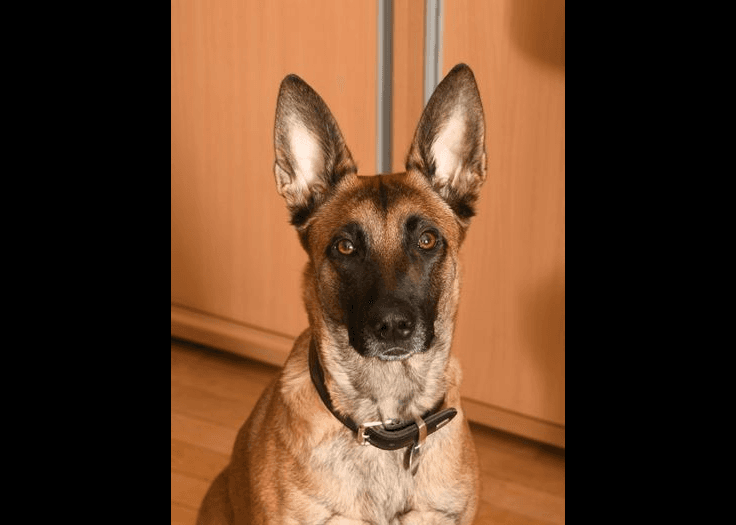
Stats at a Glance
- Size
- Large
- Energy
- Very High
- Shedding
- Moderate
- Trainability
- Very High
- Apartment
- Noi
- Extreme exercise and mental needs
- Grooming
- Lowi
- Barking
- Moderate to Highi
- Exercise
- 90–120+ min
- With Kids
- Older kids recommendedi
- high drive; best with older kids
- With Dogs
- Often, with socializationi
- with proper early socialization
- With Cats
- Possible with managementi
- High prey drive; carefully managed
- Origin
- Belgium
Trait Score Snapshot
The Belgian Malinois is a large, extremely high-drive working dog developed in Belgium as a herding and all-purpose farm dog, and extensively selected in the 20th century for police, military, and protection work. The breed's media profile as a police and military dog has made it increasingly popular with the general public. That popularity has also made it one of the most frequently rehomed dogs at shelters.
This page will be direct: the Belgian Malinois is not the right dog for most households. This is not a rhetorical disclaimer; it is a practical fact that experienced trainers and shelter workers observe consistently. The breed's demands are genuine, daily, and non-negotiable.
This guide is informational and not veterinary advice. Consult a licensed veterinarian for medical concerns.
Bottom line: A Belgian Malinois in the right household, with an experienced handler providing structured work, 2+ hours of daily vigorous activity, and consistent mental engagement, is an extraordinary dog. In any other household, the outcome is predictable: the dog develops behavioral problems, the owner is overwhelmed, and the dog ends up in rescue. Evaluate your real daily schedule before committing.
Size & lifespan
Most adult Belgian Malinois weigh 40–80 pounds and stand 22–26 inches at the shoulder. Males tend to the upper range; females to the lower.
The typical lifespan is 12–14 years, which is above average for a large breed.
History & origin
The Belgian Malinois is one of four Belgian Shepherd varieties (alongside the Tervuren, Laekenois, and Groenendael). It was developed in the region around Malines (Mechelen), Belgium, as a herding and all-purpose working dog in the late 19th century. Belgian law enforcement adopted the breed in the early 20th century; police forces around the world have used it extensively since.
The Malinois's selection history for police and military work over the past century has compressed and intensified traits that were already high in the working shepherd line. The result is a breed with work drive, prey drive, physical capability, and trainability at levels that far exceed what most household environments can channel productively.
Lifestyle fit
- Apartment Living: Not suitable; exercise needs, drive, and vocalization make apartment living incompatible
- First-Time Owners: Not recommended under any circumstances
- Families with Kids: Not recommended with young children; older children in an experienced household, with careful management
- Active Households: Good fit only if "active" means 2+ hours of structured work daily
- Low-Energy Homes: Not compatible
- Seniors: Not recommended; exercise demands and intensity are not a match for most senior lifestyles
Quick take: Is a Belgian Malinois right for you?
Honest self-assessment checklist
Before reading further, answer these honestly:
- Can you commit to 2+ hours of structured physical and mental work with this dog, every day, regardless of weather, schedule, or life disruptions?
- Do you have significant prior experience training and living with working-line dogs, not just dogs generally?
- Do you have access to a dog-sport facility, working-dog trainer, or structured enrichment program, not just a dog park?
- Does your housing situation (space, fencing, neighbors) accommodate a dog that may bark, demand activity, and cannot simply be left to occupy itself?
- Can you afford ongoing professional training investment?
If the honest answer to any of these is no or uncertain, the Belgian Malinois is not the right dog for your household at this time.
Pros (for matched households)
- Exceptional trainability and capability in working sports
- Loyal and deeply bonded with an experienced handler
- Athletically impressive partner for dog sports, protection, scent work, or other structured activities
- Long lifespan relative to size
Cons
- Extreme exercise and mental stimulation requirements
- Prey drive creates management challenges with children, cats, small animals
- Destructive behavior is the predictable result of insufficient stimulation
- Separation anxiety is common; this breed wants to work with you, not wait for you
- Nipping and herding instinct require management around children and fast-moving objects
- Growing in shelter populations due to mismatched placements
Best for
- Experienced handlers with working-dog or sport-dog backgrounds
- Households with structured daily schedules and access to a sport facility or working trainer
- Owners committed to multi-year training investment
- Active adults without young children at home
Not ideal for
- First-time dog owners
- Households with young children
- Apartment dwellers or owners without reliable access to high-exercise environments
- Owners expecting a one-time training investment; this breed requires ongoing structure throughout its life
What living with a Belgian Malinois is actually like
A Belgian Malinois that is being adequately exercised and engaged is an intensely focused, extraordinarily capable companion. They read their handler's body language and intentions with remarkable precision. Working with a well-trained Malinois is unlike working with any other breed.
A Belgian Malinois that is under-stimulated is a different experience. Destructive chewing, excessive barking, escape attempts, reactivity to fast movement, anxiety, and redirected nipping are all predictable consequences of insufficient exercise and mental work. These are not character flaws; they are the expression of a working-dog behavioral profile in a context that can't contain it.
The word "intense" is frequently used to describe this breed because it is accurate. The Malinois is always on: alert, engaged, and scanning. That intensity is part of the appeal for experienced working-dog owners. It is overwhelming for most household environments.
Temperament & personality
Work-driven and handler-bonded
Belgian Malinois form an intense bond with their handler and are at their best when working as a team. Their attention, focus, and responsiveness in working contexts are exceptional. Outside of that working relationship, they need a handler who sets clear, consistent boundaries.
High prey drive
Prey drive is a core trait in working-line Malinois. It motivates the bite work and pursuit they are selected for, and it doesn't switch off in daily life. Chasing, nipping, and stalking behavior toward fast-moving objects, animals, and children reflects this drive.
Sensitive to stress
Despite their working-dog reputation, Malinois are often sensitive to household tension, inconsistency, and unstructured environments. They can develop anxiety quickly in chaotic or unpredictable home environments.
Exercise needs
Minimum 2 hours of vigorous daily exercise plus substantial mental stimulation. Walks are not sufficient.
Effective exercise includes: structured obedience and working sessions, dog sports (Schutzhund/IPO, French Ring, agility, disc, flyball), scent work, and off-leash running in secured areas. The mental component is as important as the physical: a Malinois that has run 5 miles without using its brain is not a satisfied Malinois.
For other high-drive working breeds: High-Energy Dog Breeds
Shedding & grooming
The Belgian Malinois has a short, dense double coat.
- Moderate year-round shedding
- Seasonal blowouts twice yearly
- Weekly brushing; daily during blowout periods
- Low professional grooming requirement
Training & behavior
The Belgian Malinois is one of the most trainable breeds on this site. This is also its most misunderstood feature. High trainability means it learns what you teach, including bad habits, inconsistencies, and gaps in your training. A dog this capable amplifies both good and poor training.
Working with a trainer experienced specifically with working-line dogs is strongly recommended before and during ownership. A general obedience class designed for family pets is not sufficient.
Positive reinforcement with marker training (clicker or verbal) is the standard methodology for Malinois. The breed responds extremely well to reward-based work-drive training.
Are Belgian Malinois good with kids?
The Belgian Malinois is not recommended for households with young children. High prey drive, intense energy, and nipping instinct are a poor match for unpredictable child movement. Chasing, circling, and nipping behavior that is purely drive-expression can cause injury without any intent to harm.
In households with older, calm children and an experienced handler who provides consistent structure, coexistence is possible, but it requires active management throughout the dog's life. The dog-child relationship needs to be deliberately trained and monitored, not assumed.
For family-oriented breeds, see Best Dogs for Families.
Belgian Malinois with cats and small animals
Prey drive is a core trait in working-line Malinois, and it does not turn off between training sessions. A Malinois that has been shaped to have excellent impulse control in structured scenarios can still be triggered by fast movement in everyday household situations. This is the critical distinction for cat-household evaluation: management is genuinely ongoing, not a one-time introduction step.
What this means practically:
- Drive state changes everything. A calm Malinois lying on the mat is not the same dog as a Malinois that has been exercised hard, is aroused by outdoor stimuli, or is in a prey-activated mental state. A cat that moves quickly in that moment is a different risk than during a structured, calm introduction.
- History is the most useful information. A Malinois that has lived peacefully with a cat for an extended period has demonstrated something real. No prior cat history, combined with high working drive, is a significant risk factor.
- "Possible with management" means sustained management. In practice, this often means physical separation when the dog is aroused, never leaving them unsupervised, and recognizing that the arrangement requires active attention indefinitely.
For households with rabbits, guinea pigs, or birds: the risk profile is higher than with cats. Small, fast-moving caged animals activate the same prey response and cannot self-advocate the way a cat typically can.
If evaluating a Malinois from rescue or foster: ask specifically what the dog's behavior was like around small animals during placement, and in what context. A quiet intro in a neutral room is not sufficient data.
For breeds generally suited to multi-pet homes, see Best Dogs With Cats.
Are Belgian Malinois good for apartments?
No. The Belgian Malinois requires multiple hours of vigorous daily exercise plus substantial mental stimulation. Apartment life cannot reliably deliver either. Under-stimulated Malinois develop destructive behavior, excessive barking, escape attempts, and anxiety, all of which are significantly more disruptive in a shared-wall building.
If you want an athletic, highly trainable dog in an apartment setting, breeds with lower drive ceilings and more realistic exercise-to-space matches include the Standard Poodle or the German Shepherd, though both still require consistent daily exercise commitments.
Common Belgian Malinois owner challenges
Under-stimulation and destructive behavior
When daily exercise and mental stimulation fall below what the breed requires, the outcome is predictable: destructive chewing, excessive barking, escape attempts, and redirected nipping. This is an energy-containment problem, not a character flaw. Build the exercise and enrichment infrastructure before the dog arrives, not in response to behavioral problems.
Managing prey drive in daily life
Fast-moving objects, joggers, cyclists, children, and small animals will trigger prey drive in daily life. On-leash management in public spaces requires reliable leash skills and situational awareness. Off-leash recall must be specifically conditioned with consistent practice. The breed's pursuit instinct can override unreliable recall quickly.
Ongoing training investment
Unlike most breeds where foundation training stabilizes after year one, Belgian Malinois require structured work throughout their lives. The training investment is not front-loaded. Owners who treat it as a one-time cost typically see behavioral regression by year two.
Health considerations
Common health considerations
- Hip dysplasia: documented in the breed; screening recommended
- Elbow dysplasia: especially in heavier-boned individuals
- Progressive retinal atrophy (PRA): hereditary eye condition; DNA testing available
- Bloat (GDV): elevated risk in deep-chested athletic dogs; know the signs
Consult a veterinarian for medical advice specific to your dog.
Cost to own a Belgian Malinois
Estimated monthly range: $130–$340 for most owners.
Row ranges show common category costs; the total reflects more realistic monthly ownership, including small recurring supplies and misc. expenses not listed separately.
Training and enrichment are the dominant ongoing costs — not one-time line items. Formal training classes, sport participation, scent work, and structured play are genuine recurring expenses. Health profile is generally robust, keeping vet costs moderate.
For a full methodology and breakdown by size: How Much Does a Dog Cost Per Month?
Want a personalized estimate? Use the Monthly Cost Calculator to customize by breed, size, grooming profile, and health risk.
Similar breeds to research
If you are evaluating a Belgian Malinois or considering an alternative, these profiles may be relevant:
- German Shepherd, overlapping working-dog profile with a wider range of suitable household environments; most family-oriented police/working breed
- Australian Shepherd, similarly high-drive herding breed at a somewhat lower intensity ceiling
- Border Collie, the highest-drive herding breed; similarly demanding but more focused on mental work than physical pursuit
- Doberman Pinscher, a protection-bred working dog with comparable trainability and drive, generally more compatible with experienced family environments than the Malinois
Adoption, rescue, and foster considerations
Belgian Malinois appear with growing frequency at shelters and rescues as a direct consequence of popularity exceeding placement capacity. Many surrenders involve dogs that were acquired based on media imagery of police and military work without realistic understanding of daily ownership.
A Malinois at a shelter or rescue is often a dog that was placed in the wrong household, not a dog with fundamental behavioral problems. The challenge is matching the dog to a household that can genuinely deliver what the breed requires.
Mixed-breed dogs carrying Malinois traits (lean athletic build, erect ears, high energy, intense herding instinct) appear at shelters under labels like "Malinois Mix," "Shepherd Mix," or "Belgian Shepherd." These traits apply as a working reference for any dog with similar characteristics. See the adoption readiness guide for a framework for evaluating any dog for your specific household.
A foster placement with specific documentation of the dog's daily routine, exercise tolerance, and triggers is invaluable. Generic shelter behavioral assessments frequently underestimate drive-level behaviors that appear in full only in sustained daily life.
Questions to ask the rescue or foster:
- What did the dog's daily exercise and enrichment look like?
- Any nipping, herding, or high-prey-drive behavior observed?
- How did the dog behave when left alone?
- Any reactivity to fast movement, children, or other animals?
- What is the dog's current training foundation?
- Any known health concerns?
How does the Belgian Malinois compare?
Frequently Asked Questions
How big do Belgian Malinois get?
How long do Belgian Malinois live?
Are Belgian Malinois good family dogs?
Are Belgian Malinois good for first-time owners?
How much exercise does a Belgian Malinois need?
Are Belgian Malinois the same as German Shepherds?
Why are there so many Belgian Malinois at shelters?
How much does a Belgian Malinois cost per month?
Related Guides
Ready to meet a dog? Search adoptable Belgian Malinois dogs near you →