American Bulldog vs Doberman Pinscher
Side-by-side comparison of American Bulldog and Doberman Pinscher: energy, shedding, trainability, apartment fit, and more.
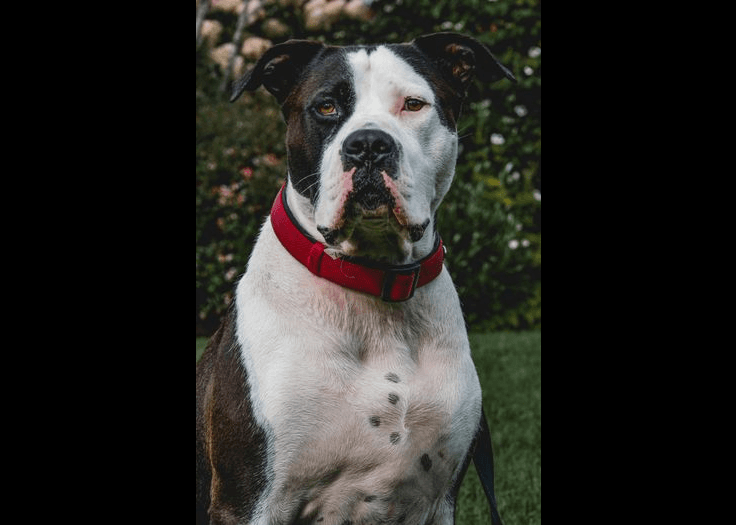

Quick Verdict
Better fit for families with kids
American Bulldog
American Bulldog: size and strengthiGenerally affectionate with family including children; sheer physical size and strength can be a management factor around small children — supervision during active play is recommendedDoberman Pinscher: Training and supervision requirediEarly training and socialization recommended given size and protective nature
American Bulldog
American Bulldog: Some challengesDoberman Pinscher: Not recommended
Doberman Pinscher
American Bulldog: High prey drive; intro carefullyiHigh prey drive; structured introduction and ongoing management are essential in households with catsDoberman Pinscher: Early intro recommendediCan coexist with cats when introduced properly, especially from puppyhood; working instincts and size mean adult introductions require more structure and time
Doberman Pinscher
American Bulldog: Moderate to HighDoberman Pinscher: High
Neither ideal
American Bulldog: Size and exercise needsiPhysical size and moderate-to-high exercise needs make apartments challenging; BSL restrictions targeting bulldog-type dogs may also apply in some municipalitiesDoberman Pinscher: Very high exercise demandsiHigh exercise and mental stimulation needs mean apartment living requires a very active owner and daily outdoor commitments
Verdicts are based on trait ratings. Always evaluate individual dogs and confirm behavior with the shelter, foster, or rescue organization.
These profiles apply as trait reference tools for any dog you're evaluating.
Stats at a Glance
| Trait | American Bulldog | Doberman Pinscher |
|---|---|---|
| Size | Large | Large |
| Energy | Moderate to High | High |
| Shedding | Moderate | Low to Moderate |
| Grooming | Low | Low |
| Trainability | Moderate | Very High |
| Barking | Moderate | Moderate |
| Apartment Friendly | Challenging | Challenging |
| Good With Kids | Yes (with supervision)size and strength | Older kids recommendedTraining and supervision required |
| Good With Dogs | Possible with managementSame-sex pairs especially; ongoing management | DependsEarly socialization key |
| Good With Cats | Possible with managementHigh prey drive; intro carefully | Possible with socializationEarly intro recommended |
| Daily Exercise | 60–90 min/day | 60–90 min/day |
| Typical Lifespan | 10–14 years | 10–13 years |
| Beginner Friendly | Some challenges | Not recommended |