Doberman Pinscher vs German Shepherd: Shedding, Health & Ownership Demands
Compare Doberman Pinscher vs German Shepherd on shedding, cardiac vs orthopedic health monitoring, guardian temperament, family fit, and what the ownership demands of each breed actually look like.
Updated
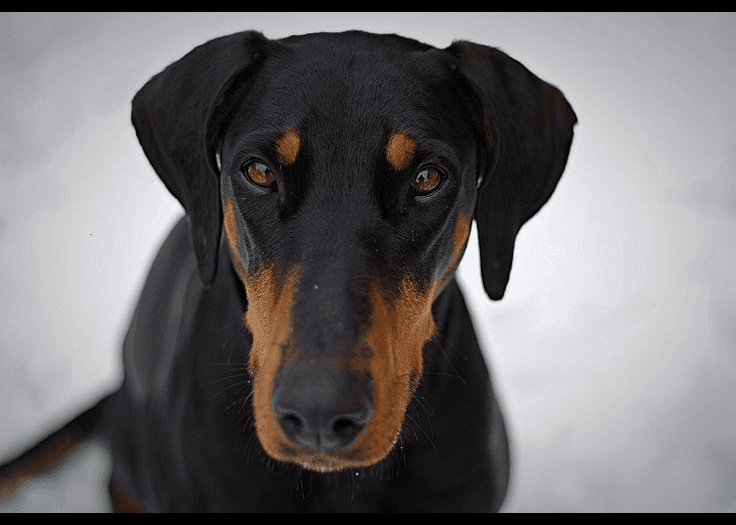
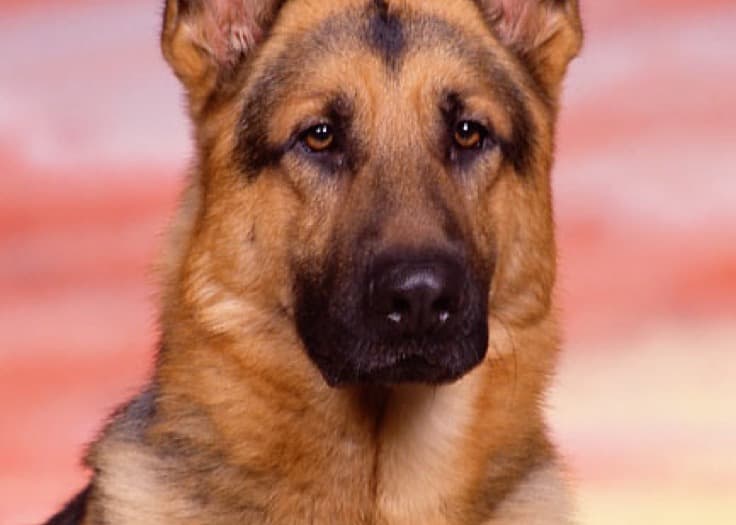
Quick Verdict
Better fit for families with kids
German Shepherd
Doberman Pinscher: Training and supervision requirediEarly training and socialization recommended given size and protective natureGerman Shepherd: With training & socialisationiCan be good with children with early training and socialisation; size and protective instincts mean supervision around young children is important
German Shepherd
Doberman Pinscher: Not recommendedGerman Shepherd: Some challenges
Doberman Pinscher
Doberman Pinscher: LowiVery short smooth coat; occasional brushing and bath is all the maintenance requiredGerman Shepherd: ModerateiRegular brushing needed; heavy twice-yearly coat blowout requires intensive deshedding
Better alone-time tolerance
German Shepherd
Doberman Pinscher: ModerateGerman Shepherd: High
Similar for both
Doberman Pinscher: Early intro recommendediCan coexist with cats when introduced properly, especially from puppyhood; working instincts and size mean adult introductions require more structure and timeGerman Shepherd: Intro and training needediCan do well with cats when raised together or introduced early; working instincts and size mean rushed introductions can set back the relationship significantly — slow, structured pairing works best
Verdicts are based on trait ratings. Always evaluate individual dogs and confirm behavior with the shelter, foster, or rescue organization.
Stats at a Glance
| Trait | Doberman Pinscher | German Shepherd |
|---|---|---|
| Size | Large | Large |
| Energy | High | High |
| Shedding | Low to Moderate | Very High |
| Grooming | Low | Moderate |
| Trainability | Very High | Very High |
| Barking | Moderate | Moderate |
| Apartment Friendly | Challenging | Challenging |
| Good With Kids | Older kids recommendedTraining and supervision required | OftenWith training & socialisation |
| Good With Dogs | DependsEarly socialization key | DependsEarly socialization key |
| Good With Cats | Possible with socializationEarly intro recommended | Possible with socializationIntro and training needed |
| Daily Exercise | 60–90 min/day | 60–120 min/day |
| Typical Lifespan | 10–13 years | 9–13 years |
| Beginner Friendly | Not recommended | Some challenges |
The Doberman Pinscher and German Shepherd are two of the most recognizable working and guardian breeds in the world — both German in origin, both rated Very High for trainability, and both thoroughly unsuited to unprepared ownership. On temperament and capability they are closely matched. Where they diverge is in the coat (the Doberman barely sheds; the GSD sheds heavily), the health profile (different serious conditions requiring different ongoing management), and the handling precision the breed demands day-to-day.
Main difference: German Shepherds shed heavily and carry hip/joint health obligations that are well-established at the time of adoption; Dobermans have minimal coat burden but carry a more time-dependent cardiac health risk (DCM) that often develops as the dog ages and requires annual monitoring. On trainability and guardian instinct, the two breeds are effectively equivalent.
Who should choose each breed?
Choose a Doberman Pinscher if
- Minimal shedding and near-zero coat maintenance is a genuine daily priority — the Doberman is one of the easiest large breeds to groom
- You want a more focused personal-protection guardian rather than a versatile herding/working background
- You are prepared for annual cardiac monitoring as a fixed ownership cost, and plan to get pet insurance before cardiac symptoms emerge
- Your experience with high-drive working breeds is solid — the Doberman's 1/5 beginner score is the stricter of the two
Choose a German Shepherd if
- Some shedding is acceptable and you are comfortable with a brushing routine and seasonal coat blowouts
- You want a guardian dog with slightly more social and temperament versatility across household types, including families with children
- Hip/elbow dysplasia screening (OFA testing) as the primary health obligation fits your planning better than cardiac monitoring
- You are at the edge of your experience level — the GSD's 2/5 beginner-friendliness offers a small operational margin the Doberman's 1/5 does not
Size and build
Both are large dogs, but the Doberman is typically the bigger, more muscular breed at the high end. German Shepherds usually weigh 50–90 pounds and stand 22–26 inches at the shoulder — a wide range reflecting the breed's variation across lines. Dobermans typically range from 60–100 pounds (males toward the top of that range), standing 24–28 inches, with a lean, athletic build that tends to be denser than its profile suggests.
In practical terms, both are large dogs requiring a household comfortable with size and physical strength. The Doberman's leaner build and very short coat make it feel less physically imposing day-to-day than its weight suggests; the GSD's double coat adds visual bulk.
One meaningful build difference: the Doberman's short coat and minimal body fat make it cold-sensitive — most Dobermans need a coat or jacket in cold climates, particularly during extended outdoor time in winter. German Shepherds handle cold weather considerably better due to their dense double undercoat.
Temperament and personality
This is where the similarities are more striking than the differences — and where understanding the nuance matters for choosing between them.
Both breeds are handler-focused, loyal to their household, alert to their environment, and naturally inclined toward a protective role. Neither is a casual, self-directed companion. Both tend to form close bonds with primary handlers, track their owner's activity and emotional state closely, and require structure to feel settled.
German Shepherds typically carry a slightly broader temperament range across individual dogs. Some lean toward family softness; others toward working drive. This variability is partly why GSDs appear in so many different roles — police, service, family companion, search-and-rescue. Their herding background means they are often socially responsive to a wider range of household dynamics, including families with young children and multi-dog homes.
Dobermans are more consistently oriented toward personal protection and handler bonding. The breed was developed specifically around personal protection and guardian work, and that focus is present across most individuals. The "velcro" attachment Dobermans form with their primary person is often described as more intense than the GSD's — following their handler from room to room, highly attuned to emotional tone, and more prone to separation-related stress with frequent long absences. A well-exercised, well-structured Doberman is calm indoors and gentle with family; an under-exercised or inconsistently managed one redirects that drive into problem behavior quickly.
Both breeds require active management of their protective instincts — early socialization with strangers, unfamiliar dogs, and varied environments is not optional for either.
Exercise and stimulation needs
Both breeds need 60–90 minutes of daily activity combining physical exercise and structured mental work. Neither is satisfied by a walk alone — training sessions, problem-solving tasks, obedience work, or dog sports are part of the practical minimum.
The German Shepherd's range runs to 120 minutes in some individuals; the Doberman's ceiling is somewhat lower at 90 minutes, which is reflected in the stats table. In practice, both breeds live better with more than the minimum rather than less. The Doberman has the slightly lower exercise ceiling, but not meaningfully enough to choose one breed over the other on this dimension alone.
What under-stimulation looks like in both breeds is similar: restlessness indoors, demand behaviors, leash reactivity, and in the Doberman's case, separation anxiety or over-attachment. The GSD's behavioral response to under-stimulation tends toward barking, pacing, and alertness escalation; the Doberman's is more likely to manifest as anxious, velcro-dependent behavior.
Shedding and grooming
This is the clearest practical difference between the two breeds — clearer, in fact, than most stat comparisons of two large working dogs.
German Shepherds are heavy shedders. Rated High, they produce consistent year-round loose coat that deposits on furniture, clothing, and floors, with seasonal coat "blowouts" (typically twice a year) that can be dramatically heavier. A practical grooming baseline is brushing 3–4 times per week, rising to daily during seasonal coat blows. Deshedding tools, slicker brushes, and rakes become part of regular household life. This is a fixed cost of the ownership experience that many GSD owners genuinely underestimate until they are living it.
Dobermans have an exceptionally low-maintenance coat — rated Low-Moderate for shedding and Low for grooming. A weekly brush and a bath every few weeks is the practical reality for most Doberman owners. Short hairs do appear on dark clothing (short hairs have a tendency to embed in fabric), but the volume is a fraction of a double-coated breed. No professional grooming appointments are needed. No seasonal shedding events.
If reduced coat management is a meaningful quality-of-life factor in your household, this difference is not minor — it is the most consistent, daily-life-visible contrast between the two breeds.
Training and behavior
Two of the most capable training breeds in the world compared directly. Both are rated Very High for trainability; both excel at advanced obedience, protection sport, and specialized working roles; both are among the top-performing breeds in competitive settings.
German Shepherds are versatile training partners with a strong work ethic and good motivation across a range of reward types. They tend to generalize learned cues readily across environments and are relatively forgiving of training inconsistencies compared to some working breeds — they remain handler-focused even when handlers make mistakes.
Dobermans have a comparable (and some would argue superior) training ceiling in precision work and handler responsiveness. The sensitivity that makes them exceptional working dogs also makes them less tolerant of inconsistent handling. A training approach that works for most mid-drive breeds will work for a Doberman, but the consequences of persistent inconsistency are more visible and faster-developing. Same-sex dog selectivity is a known tendency in some Doberman lines and should be factored into multi-dog households.
Barking: Both are rated Moderate — similar in day-to-day noise profile. Both may bark in response to environmental changes, stranger approaches, or under-stimulation. Neither is a high-noise breed under normal stimulation levels.
Socialization: Early, thorough socialization is load-bearing for both breeds given their protective instincts. An under-socialized GSD or Doberman that reaches adolescence without adequate exposure to strangers, dogs, and varied environments will have developed protective responses that require active remediation rather than simple correction. This is not a one-time puppy class — it is an ongoing investment throughout the first two years.
Apartment and family fit
Which is better for apartments?
Neither is a good apartment choice. Both are large, exercise-demanding dogs with protective instincts that benefit from space. The German Shepherd is rated Challenging; the Doberman is rated Possible (high demands) — a marginal difference in theory that doesn't translate into a meaningfully easier apartment experience for most owners.
A Doberman owner in an apartment who provides 60–90 minutes of daily structured activity, maintains calm-behavior training, and prevents boredom behaviors can technically make it work. That bar is difficult to sustain from an apartment reliably over years. German Shepherds face the same bar with a slightly less generous rating. For both breeds, homes with outdoor access and space to decompress after exercise produce dramatically better behavioral outcomes.
For more guidance: Best Dogs for Apartments
Which is better for families with kids?
Both are rated Often for good with kids — meaning they can be good in family environments, but the outcome depends heavily on training, socialization, and consistent adult supervision. Neither is a passive, low-management family dog.
German Shepherds with strong early socialization and training tend to be loyal and tolerant with children in their household. The protective instinct that makes them good guardian dogs can also cause them to be reactive in environments where children's play generates unpredictable movement or noise — early socialization to busy family dynamics is important. Their size and energy mean supervision with young children is always warranted.
Dobermans can be tender and devoted with family members they trust and are raised with. The combination of size, strength, and protective instinct requires experienced, confident handling in family environments. Early training and clear boundaries are non-negotiable. Households with very young children should ensure the dog's exposure to the unpredictability of young children is gradual, positive, and well-managed from the start.
Both breeds do better in structured households than relaxed ones. The GSD's slightly broader temperament range makes it the marginally more predictable family choice for a household that needs more flexibility.
For more guidance: Best Dogs for Families
Which is easier for first-time owners?
Neither is suitable for first-time owners — this is one of the clearer points of agreement between the two breeds' profiles. The German Shepherd is rated 2/5 (Some challenges); the Doberman is rated 1/5 (Not recommended).
The Doberman's lower score reflects a narrower handling margin. Its protection instincts, sensitivity to inconsistency, same-sex dog selectivity, and the consequences of inadequate socialization are all harder to manage without prior experience in working or guardian breeds. A first-time owner who gets something wrong with a Doberman tends to see the result faster and more severely than with a GSD.
This is a meaningful practical difference for anyone at the edge of their experience level. For genuinely experienced working-breed owners, both breeds are accessible and rewarding. For everyone else, neither is recommended over a more forgiving alternative.
For more guidance: Best Dogs for First-Time Owners
Health considerations
German Shepherd health
The most widely screened conditions in German Shepherds are hip and elbow dysplasia — both very common in the breed, manageable when identified early through weight control, joint-supportive exercise, and in some cases corrective surgery. OFA (Orthopedic Foundation for Animals) hip and elbow evaluations are standard recommendations; any available screening history from a shelter or rescue is worth requesting.
Degenerative myelopathy (DM) is a progressive neurological condition that affects rear limb function as the dog ages. A DNA test identifies whether a dog carries relevant variants; ask about testing history or screening data when adopting.
Bloat (gastric torsion) is a life-threatening emergency that occurs more often in deep-chested breeds, including GSDs. Feeding practices (smaller meals, no vigorous exercise immediately after eating) can reduce risk; knowing the signs is important.
Typical lifespan: 9–13 years
Doberman Pinscher health
The defining breed health concern in Dobermans is dilated cardiomyopathy (DCM) — a progressive cardiac condition that is very common in the breed and can lead to sudden cardiac death in some individuals. DCM typically develops as the dog ages and is often asymptomatic in early stages, which is why annual Holter monitoring (24-hour ECG) and echocardiograms are standard practice for Dobermans even when the dog appears healthy. Enrolling in pet insurance while the dog is young and asymptomatic is the most practical way to manage the long-term monitoring and potential medication costs. This is not an optional health consideration for the breed — it is a defining ownership obligation.
Von Willebrand disease (vWD) is a heritable clotting disorder that occurs more commonly in Dobermans than most breeds. A DNA test is available; vWD status is relevant to know before any surgical procedure.
Wobbler syndrome (cervical spondylomyelopathy) — spinal cord compression causing a characteristic unsteady gait — appears at higher rates in Dobermans than in most large breeds. Any signs of neck stiffness, stumbling, or gait irregularity warrant prompt veterinary evaluation.
Typical lifespan: 10–13 years
Consult a licensed veterinarian for medical advice specific to your dog.
Cost comparison
These are rough planning ranges — actual costs vary by region, individual health, insurance, and adoption source.
| Cost area | Doberman Pinscher | German Shepherd |
|---|---|---|
| Food (monthly) | $60–$95 | $65–$100 |
| Grooming upkeep (monthly avg) | $10–$20 | $30–$60 |
| Routine vet care (monthly avg) | $40–$70 | $40–$70 |
| Cardiac monitoring — Holter/echo (Doberman) | $300–$600+/year | — |
| Joint/orthopedic care (GSD, long-term) | — | $50–$200/year avg |
| Training / enrichment (est. first year) | $700–$1,500+ | $700–$1,500+ |
| Estimated ongoing monthly budget | $160–$280 | $165–$285 |
The standout long-term cost difference is the Doberman's cardiac monitoring: annual Holter monitors and echocardiograms are standard breed practice, and if DCM develops, ongoing medication adds a significant recurring cost. Pet insurance enrolled early is the most effective hedge. German Shepherds carry long-term joint management costs — orthopaedic supplements, anti-inflammatories, and potentially corrective surgery — that accumulate at a moderate rate across the dog's life. For both breeds, training investment is not optional and should be budgeted from day one.
For broader budgeting guidance, see How Much Does a Dog Cost Per Month?
Final decision: Doberman Pinscher or German Shepherd?
For owners who are genuinely experienced with working breeds and committed to either, the choice usually comes down to the coat and the health monitoring path.
If shedding and coat maintenance are meaningful daily-life concerns, the Doberman wins clearly and without qualification — it is one of the easiest large breeds to manage from a grooming standpoint, and that gap with the GSD is real and sustained every day.
If the Doberman's cardiac monitoring obligation feels like a more uncertain or open-ended health commitment than the GSD's orthopedic profile, the German Shepherd gives you a health trajectory that is more established, more widely understood, and with well-defined screening protocols (OFA evaluations) that can be completed before or shortly after adoption. The GSD remains the marginally more accessible breed for experienced owners who are not yet comfortable with the Doberman's stricter demands.
Both breeds reward the investment they require generously when that investment is actually made. The ownership ceiling for either is exceptional. The floor — what you must bring to the relationship from day one — is high for both, and slightly higher for the Doberman.
As always, individual dog personality matters more than breed generalisations. Meeting dogs through shelters, rescue organizations, and foster care before deciding is the most useful step — a foster caregiver can tell you how the individual dog handles strangers, manages alone time, and relates to other animals in ways that no breed profile can.