American Pit Bull Terrier vs Australian Cattle Dog
Side-by-side comparison of American Pit Bull Terrier and Australian Cattle Dog: energy, shedding, trainability, apartment fit, and more.
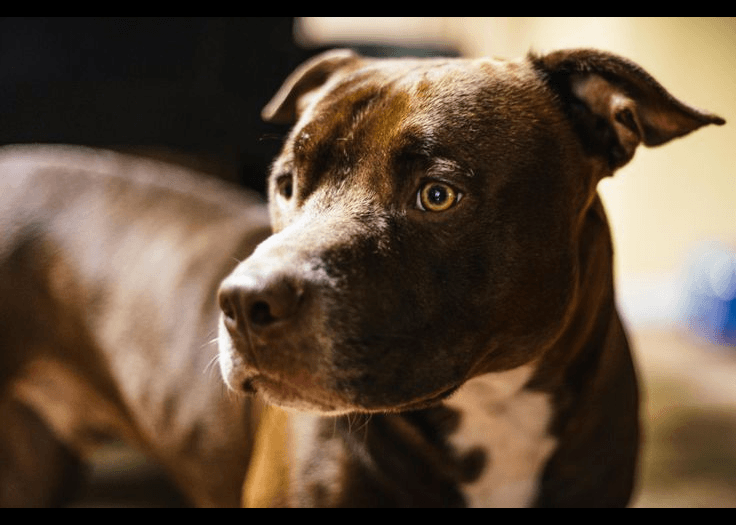
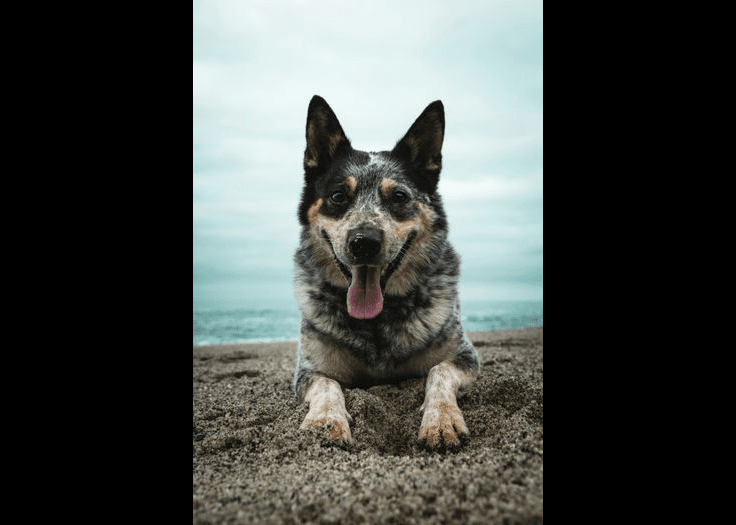
Quick Verdict
Better fit for families with kids
Both suitable with supervision
American Pit Bull Terrier: supervision; manage strengthiGenerally people-oriented and affectionate toward family members including children; physical exuberance and medium-large muscle mass can knock over small children without intent — supervision during active play matters regardless of temperamentAustralian Cattle Dog: herding instinct; nipping riskiHerding instinct may redirect toward children — nipping, circling, and heel-chasing are common; best with older, calm children; consistent training from day one reduces but does not eliminate this risk
American Pit Bull Terrier
American Pit Bull Terrier: Some challengesAustralian Cattle Dog: Not recommended
American Pit Bull Terrier
American Pit Bull Terrier: LowAustralian Cattle Dog: Moderate
American Pit Bull Terrier
American Pit Bull Terrier: 60–90 min/dayAustralian Cattle Dog: 90–120+ min/day
Neither ideal
American Pit Bull Terrier: Strength and BSL riskiHigh energy requires reliable daily exercise; physical strength makes leash management a real factor in shared-entry buildings; breed-specific legislation (BSL) and housing policies restrict or prohibit this breed in some municipalities and rental properties — verify before committingAustralian Cattle Dog: Extremely high activity and mental needsiRequires intense daily physical exercise plus mental enrichment; apartment life is not suitable without an exceptional commitment to daily outdoor activity and structured work
Australian Cattle Dog
American Pit Bull Terrier: Prey drive varies; intro carefullyiPrey drive varies significantly across individuals — some coexist peacefully with resident cats when raised alongside them; others require permanent separation or careful, ongoing management. A slow, structured introduction in neutral space is essential; do not rely on breed label alone to predict outcome with any individual dogAustralian Cattle Dog: Herding instinct; early intro needediHerding instinct may redirect toward cats; early, structured introduction and ongoing management are typically needed
Australian Cattle Dog
American Pit Bull Terrier: HighAustralian Cattle Dog: Very High
Lower barking tendency
American Pit Bull Terrier
American Pit Bull Terrier: ModerateAustralian Cattle Dog: Moderate to High
Verdicts are based on trait ratings. Always evaluate individual dogs and confirm behavior with the shelter, foster, or rescue organization.
These profiles apply as trait reference tools for any dog you're evaluating.
Stats at a Glance
| Trait | American Pit Bull Terrier | Australian Cattle Dog |
|---|---|---|
| Size | Medium | Medium |
| Energy | High | Very High |
| Shedding | Low | Moderate |
| Grooming | Low | Low |
| Trainability | High | High |
| Barking | Moderate | Moderate to High |
| Apartment Friendly | Possible (daily exercise required) | No |
| Good With Kids | Yes (with supervision)supervision; manage strength | Yes (with supervision)herding instinct; nipping risk |
| Good With Dogs | Varies widelyIndividual assessment essential | Possible with socializationMay try to herd other dogs |
| Good With Cats | Possible with managementPrey drive varies; intro carefully | Possible with socializationHerding instinct; early intro needed |
| Daily Exercise | 60–90 min/day | 90–120+ min/day |
| Typical Lifespan | 12–14 years | 12–16 years |
| Beginner Friendly | Some challenges | Not recommended |