Australian Cattle Dog: Temperament, Energy & Care
Learn about Australian Cattle Dog temperament, herding instinct, extreme exercise needs, nipping risk with children, and whether a Blue Heeler is right for you.
Updated
Stats at a Glance
- Size
- Medium
- Energy
- Very High
- Shedding
- Moderate
- Trainability
- High
- Apartment
- Noi
- Extremely high activity and mental needs
- Grooming
- Lowi
- Barking
- Moderate to Highi
- Exercise
- 90–120+ min
- With Kids
- Yes (with supervision)i
- herding instinct; nipping risk
- With Dogs
- Possible with socializationi
- May try to herd other dogs
- With Cats
- Possible with socializationi
- Herding instinct; early intro needed
- Origin
- Australia
Trait Score Snapshot
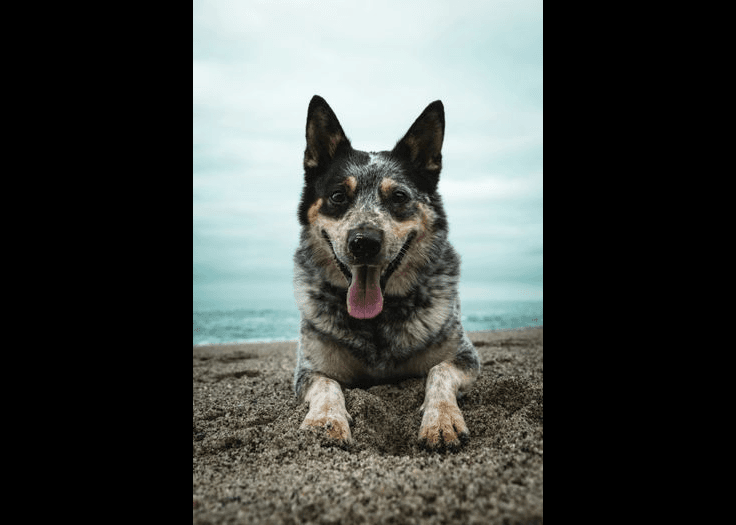
The Australian Cattle Dog (ACD), also known as the Blue Heeler or Red Heeler, is a medium-sized, extremely high-energy herding breed developed in Australia to work cattle across vast, rough terrain. The breed's intensity, endurance, and problem-solving independence are genuine working traits, not quirks to manage away.
An ACD is not a breed for most households. It is a breed for experienced owners who can deliver on the exercise, mental stimulation, and structured handling this dog genuinely needs, every single day.
This guide is informational and not veterinary advice. Consult a licensed veterinarian for medical concerns.
Bottom line: A well-matched Australian Cattle Dog is an extraordinarily loyal, athletic, and intelligent companion in the right household. The right household is active, experienced, and committed to structured daily work, not just walks. For anyone evaluating an ACD or ACD mix at a shelter, the most important factor is matching your realistic daily schedule to this breed's actual energy and mental needs, not the dog's physical appearance.
Size & lifespan
Most adult ACDs weigh 35–50 pounds and stand 17–20 inches at the shoulder.
The typical lifespan is 12–16 years, exceptional for a breed of this size. Some individuals live considerably longer. Owners should be prepared for a long commitment.
History & origin
The Australian Cattle Dog was developed in Australia in the 19th century to drive cattle over long distances across rough terrain. Breeders crossed various herding breeds, including Collies and Dingoes, to produce a dog with the stamina, toughness, and intelligence to work independently in harsh conditions.
The result is a breed with a uniquely high drive, problem-solving capability, and physical endurance. These traits were selected for function, not household convenience. Understanding this background explains why the ACD is simultaneously one of the most impressive working dogs and one of the most demanding companion dogs.
Lifestyle fit
- Apartment Living: Not suitable; exercise and mental stimulation needs are too high
- First-Time Owners: Not recommended; management demands exceed what most beginners anticipate
- Families with Kids: Possible with older children in experienced households; herding instinct creates a real challenge with young children
- Active Households: Strong fit for genuinely active owners
- Low-Energy Homes: Poor fit; daily intense exercise is non-negotiable
- Seniors: Not recommended; exercise demands, herding instinct, and physical intensity are not suited to most senior households
Quick take: Is an Australian Cattle Dog right for you?
Pros
- Exceptional loyalty and bonding with their person
- Highly trainable and capable in sports, agility, herding, and working activities
- Exceptionally long lifespan
- Low grooming overhead
- Compact, athletic build
Cons
- Extreme daily exercise and mental stimulation requirement
- Herding instinct directed at children, other pets, and sometimes people
- Independence and problem-solving means they need a structured handler, not just a patient one
- Not suitable for first-time owners
- Can be vocal and persistent when under-stimulated
- Alone-time tolerance is low; separation anxiety risk if left for long periods
Best for
- Experienced owners committed to daily vigorous activity
- Active individuals who hike, run, cycle, or participate in dog sports
- Households with older children who understand dog behavior
- Owners interested in agility, herding, flyball, or working-dog activities
Not ideal for
- First-time owners
- Households with young children
- Apartments or limited outdoor access
- Owners who travel frequently without the dog
- Sedentary households
What living with an Australian Cattle Dog is actually like
An ACD that gets adequate exercise and mental work is a remarkably loyal and focused companion. They bond intensely with their primary person and are physically and mentally engaged throughout the day.
An under-exercised ACD is a different experience entirely. Restlessness, destructive chewing, excessive vocalization, and redirected herding behavior (toward children, other pets, or even moving objects) are the predictable results of unmet needs. This is not a breed that self-settles when bored.
The herding instinct is on most of the time. It doesn't switch off because you're at the dog park or watching TV. Managing this instinct, particularly around running children or other pets, is a daily part of ACD ownership.
Temperament & personality
Loyal and one-person bonded
ACDs typically bond intensely with one primary person. They are watchful, attentive, and often seem to anticipate what their handler is going to do next. This loyalty is one of the breed's most striking qualities.
Independent problem-solver
This breed was developed to make independent decisions in the field, not to wait for human instruction. In a companion context, this means an ACD will fill any gap in direction with its own solution, usually one that involves movement, activity, or investigation. Clear, consistent handling prevents this from becoming a management problem.
Herding instinct
Herding behavior (nipping, circling, chasing, eye stalking) is core to this breed's behavioral repertoire. It can redirect toward children, other pets, cyclists, joggers, or any fast-moving thing. Training reduces the expression of this instinct but does not eliminate it. Management (supervision, leash, structure) is a permanent part of ACD ownership.
Exercise needs
Most adult ACDs need 90–120+ minutes of vigorous daily exercise, plus mental stimulation beyond physical activity.
Walks alone are insufficient. Effective exercise for this breed typically includes activities that combine physical challenge with mental engagement: agility, structured fetch, herding work, bikejoring, or long trail runs. Off-leash time in a safely fenced area is valuable.
For other high-energy breeds: High-Energy Dog Breeds
Shedding & grooming
The ACD has a short, dense double coat.
- Moderate year-round shedding
- Heavier seasonal blowouts twice yearly
- Weekly brushing; more frequent during shedding seasons
- Occasional bathing
Low professional grooming requirement. The main coat-management tool is consistent brushing during blowout periods.
Training & behavior
Positive reinforcement training works well with ACDs. They are quick learners and respond to clear, consistent communication. The challenge is consistency: an ACD that identifies a gap in your training will exploit it, not out of stubbornness, but out of intelligence.
Practical priorities:
- Herding impulse control from the earliest age possible
- Leash manners: strong heel drive means pulling is common without early work
- Recall: critical given their pursuit drive
- Settle and crate training for mental rest
- Structured socialization with children and other animals
Herding instinct and children
The herding instinct directed at children is one of the most common management challenges for ACD owners. Running, shouting children trigger strong herding responses in many individuals. Nipping at heels, circling, and intense eye contact are typical expressions.
This is not aggression. It is deeply instilled working behavior that does not distinguish between cattle and children at the level of raw instinct. Training can channel it, but supervision with young children remains necessary regardless of training level.
ACDs generally do better with older children who move predictably and are taught how to interact with the dog.
Health considerations
Common health considerations
- Progressive retinal atrophy (PRA): hereditary eye condition; genetic testing is available through specialist labs
- Hip dysplasia: worth screening, especially in breeding stock
- Congenital deafness: documented in blue-colored individuals; BAER testing can confirm hearing status
- Lens luxation: hereditary eye condition seen in some lines
Questions to ask your shelter or vet
- Any known eye or hearing issues?
- Any hip evaluation history?
- Current weight and body condition score?
Consult a veterinarian for medical advice specific to your dog.
Cost to own an Australian Cattle Dog
Estimated monthly range: $110–$270 for most owners.
Row ranges show common category costs; the total reflects more realistic monthly ownership, including small recurring supplies and misc. expenses not listed separately.
Training and enrichment are the two costs that surprise most ACD owners — both are ongoing, not one-time. Hip dysplasia and hereditary eye conditions are worth a one-time screening in year one.
For a full methodology and breakdown by size: How Much Does a Dog Cost Per Month?
Want a personalized estimate? Use the Monthly Cost Calculator to customize by breed, size, grooming profile, and health risk.
Similar breeds to research
If you are evaluating an Australian Cattle Dog, these profiles may also be relevant:
- Australian Shepherd, shares herding background with a somewhat more family-friendly reputation but similarly high exercise demands
- Border Collie, the highest-intensity herding breed; even more demanding than the ACD for most households
- German Shepherd, working dog with similar intelligence and drive but a broader range of suitable household environments
- Siberian Husky, similarly high energy and independence but without the herding instinct; useful comparison for owners drawn to the ACD's athleticism but unsure about herding behavior
Are Australian Cattle Dogs good for apartments?
No. The ACD is one of the least apartment-suitable breeds. Ninety to 120 or more minutes of vigorous daily exercise is a minimum, not a target, and physical exercise alone is insufficient without mental stimulation. Dogs that do not get both become restless, vocal, and destructive. All of these behaviors are amplified in a confined space.
If you live in an apartment and are drawn to a high-energy, intelligent dog, consider breeds that pair trainability and engagement with a lower physical threshold. The Miniature Poodle and Cocker Spaniel offer intelligence and activity in a more manageable package for most apartment schedules.
Common Australian Cattle Dog owner challenges
Herding instinct management
The herding impulse does not distinguish between cattle and children, other pets, cyclists, or joggers. Nipping at heels, circling, and eye-stalking behavior directed at moving objects is common and does not resolve on its own. Structured training from day one reduces the expression of this instinct but does not eliminate it; supervision and management remain permanent parts of ACD ownership.
Alone-time and separation anxiety
ACDs bond intensely with one person and do not tolerate extended alone time well. Dogs left alone for long periods without adequate exercise beforehand will find their own outlet, usually destructive chewing, excessive vocalization, or redirected herding. If your work schedule involves 8+ hours away from home without a dog walker or daycare arrangement, this breed is not a practical fit.
Under-stimulation behavior
An ACD that is physically exercised but mentally under-stimulated is still a management problem. This breed was developed to make independent decisions throughout a working day. Without structured mental engagement (training sessions, scent work, agility, puzzle feeders), an ACD will create its own problems. Enrichment is a recurring daily investment for this breed, not an occasional supplement.
Adoption, rescue, and foster considerations
ACD mixes do appear regularly at shelters and rescue organizations, particularly in the western United States. Dogs labeled "Cattle Dog," "Blue Heeler," "Red Heeler," or "Heeler mix" are common shelter designations. The traits described on this page apply as a working reference for evaluating any dog with these physical characteristics, regardless of how precisely the breed label matches.
Exercise and mental needs are commonly underestimated for this breed type, which is a frequent reason ACDs and ACD mixes enter rescue. A foster placement that can describe real-life behavior around children, other animals, and alone time provides far more useful information than a shelter intake assessment.
See the adoption readiness guide for a framework for evaluating any dog for your specific household.
Questions to ask the rescue or foster:
- Any herding behavior directed at children or other animals?
- How much exercise did the dog get daily in the foster home?
- How does the dog behave when left alone?
- Any known eye or hearing issues?
- Any reactivity or nipping incidents?
How does the Australian Cattle Dog compare?
Frequently Asked Questions
How big do Australian Cattle Dogs get?
How long do Australian Cattle Dogs live?
Are Australian Cattle Dogs good family dogs?
Are Australian Cattle Dogs good for apartments?
Are Australian Cattle Dogs easy to train?
Do Australian Cattle Dogs shed?
Do Australian Cattle Dogs bark a lot?
Are Australian Cattle Dogs good for first-time owners?
How much does an Australian Cattle Dog cost per month?
Related Guides
Ready to meet a dog? Search adoptable Australian Cattle Dog dogs near you →