Bulldog vs Toy Poodle: Grooming, Lifespan & Alone Time
Bulldog vs Toy Poodle: compare grooming cost, lifespan, alone-time tolerance, and health trade-offs to find the right compact companion for apartment living.
Updated
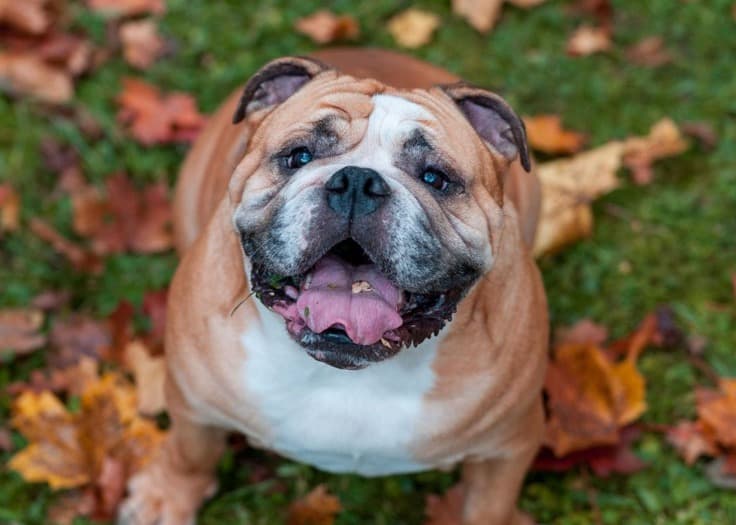
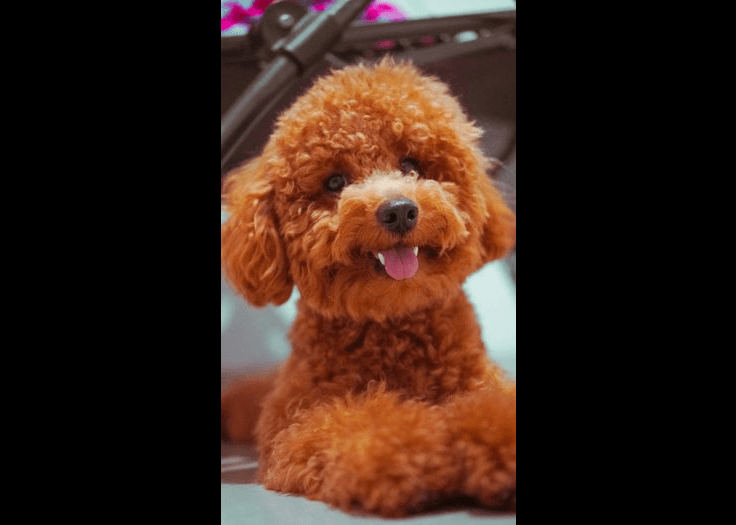
Quick Verdict
Better fit for families with kids
Bulldog
Bulldog: Supervision with toddlersToy Poodle: Best with calm, school-age childreniAt 4–6 lbs, a Toy Poodle can be seriously injured by rough handling or a fall; best suited to homes with calm, school-aged children who understand gentle interaction
Bulldog
Bulldog: Low prey drive; calmiLow energy and generally low prey drive; Bulldogs typically coexist well with cats with a standard calm introductionToy Poodle: Bold; may assert over catsiBold personality can cause Toy Poodles to challenge or assert themselves toward cats — the size difference means the cat can often hold its own, but ongoing monitoring helps keep interactions safe
Better alone-time tolerance
Bulldog
Bulldog: HighToy Poodle: Low
Bulldog
Bulldog: Low to ModerateiShort coat; main ongoing task is regular cleaning of facial skin foldsToy Poodle: HighiProfessional clipping every 4–8 weeks; daily brushing needed to keep the coat tangle-free
Verdicts are based on trait ratings. Always evaluate individual dogs and confirm behavior with the shelter, foster, or rescue organization.
Stats at a Glance
| Trait | Bulldog | Toy Poodle |
|---|---|---|
| Size | Medium | Small |
| Energy | Low | Moderate |
| Shedding | Moderate | Low |
| Grooming | Low to Moderate | High |
| Trainability | Moderate | High |
| Barking | Low | Low to Moderate |
| Apartment Friendly | Yes | Yes |
| Good With Kids | YesSupervision with toddlers | Yes (with supervision)Best with calm, school-age children |
| Good With Dogs | Often | Possible with managementBold with larger dogs; size mismatch |
| Good With Cats | OftenLow prey drive; calm | Possible with managementBold; may assert over cats |
| Daily Exercise | 20–40 min/day | 20–40 min/day |
| Typical Lifespan | 8–10 years | 12–16 years |
| Beginner Friendly | Beginner-friendly | Manageable |
The Bulldog and Toy Poodle look like they belong in entirely different categories of dog ownership — one is a stocky, wrinkled medium breed; the other a tiny, curly-coated toy. Yet both consistently appear as apartment-compatible, low-exercise companion dogs in Breed Finder results, and the practical comparison is more nuanced than their appearance suggests. Both are quiet and manageable indoors. What separates them is where the trade-offs fall: shedding versus grooming cost, lifespan, alone-time tolerance, and very different health profiles.
Main difference: The Bulldog handles alone time well, requires minimal grooming, and suits owners with standard out-of-home schedules — but lives 8–10 years and carries serious brachycephalic health risks. The Toy Poodle is more trainable, sheds far less, and typically lives 12–16 years, but needs professional grooming every 4–8 weeks as a fixed recurring cost and does not tolerate being left alone regularly.
Who should choose each breed?
Choose a Bulldog if
- You are away from home regularly and need a dog with High alone-time tolerance that settles without distress
- A very low daily exercise commitment fits your routine — 20–40 minutes of short, slow walks is sufficient
- A physically sturdy, calm companion that handles young children and household noise without concern suits your household
- You have reliable air conditioning at home — Bulldogs are heat-sensitive and cannot be in warm, unventilated spaces
- Minimal ongoing grooming cost matters: fold care takes a few minutes per day and costs very little per month
Choose a Toy Poodle if
- Shedding on furniture and clothing is a genuine concern — the Toy Poodle's low-shedding coat keeps surfaces largely hair-free
- You are home most of the day and can provide consistent company (the Toy Poodle tolerates being alone poorly)
- High trainability is important — the Toy Poodle picks up cues quickly and actively engages with reward-based training
- You are prepared to commit to professional grooming every 4–8 weeks ($40–$65 per session) as a fixed and non-negotiable recurring cost
- A longer-lived companion matters to your planning — typical lifespan is 12–16 years versus the Bulldog's 8–10
Size and build
The size gap between these two breeds is significant. Bulldogs are medium-breed dogs, typically weighing 40–50 pounds, dense, muscular, and low to the ground. Toy Poodles weigh 4–6 pounds — a fraction of the Bulldog's mass. In practical terms, this affects food quantity, medication dosing, physical handling, and how carefully household members need to interact with the dog.
For apartment living, the Bulldog's footprint is manageable — it is not a large breed — but it is meaningfully bigger in shared spaces, elevator lobbies, and vet waiting rooms. The Toy Poodle at 4–6 lbs can be carried easily and occupies almost no physical space. The size gap also matters for fragility: the Toy Poodle can be seriously injured by a fall from furniture or rough contact. The Bulldog takes incidental contact in stride.
Shedding and grooming
This is one of the clearest practical differences in the comparison, and it is a trade-off rather than a clean win for either breed.
The Bulldog is rated Moderate for shedding. Its short, smooth coat releases loose fur year-round, with heavier seasonal periods. Owners will find hair on furniture, floors, and clothing as an expected baseline. Grooming costs are minimal: occasional brushing, periodic baths, and a consistent fold-cleaning routine. Cleaning the facial skin folds, tail fold, and any other body folds with wipes and drying solution is a daily or every-other-day task — not onerous, but non-negotiable. Budget roughly $0–$15 per month.
The Toy Poodle is rated Low for shedding. Its curly coat traps shed hair rather than releasing it, keeping furniture and clothing largely hair-free. What it gains on shedding, it costs in professional grooming. The coat must be professionally clipped every 4–8 weeks ($40–$65 per session) and brushed daily at home between appointments. Skip grooming appointments and the coat mats — which costs significantly more to correct. Budget $60–$140 per month on average.
The practical question is which trade-off fits your household better: moderate loose fur on surfaces, or a consistent monthly professional grooming bill.
Alone time and daily schedule
The Bulldog has one of the highest alone-time tolerances of any companion breed. Rated High, it is calm, settled, and stable enough to manage several hours on its own without becoming anxious or destructive. This is an unusual quality in a breed marketed primarily as a companion dog, and it has real practical value for owners with standard out-of-home work schedules.
The Toy Poodle is rated Low for alone-time tolerance. It forms close attachments to its people and can develop anxiety when left alone regularly or for extended periods. This does not mean a Toy Poodle cannot be left alone at all — with appropriate routine and enrichment, many manage a few hours — but owners with full-day away-from-home schedules will need active solutions: a dog walker, daycare, or a second dog for company. For owners without those options, the Toy Poodle's alone tolerance is a genuine daily management challenge.
Exercise needs
Both breeds need 20–40 minutes of daily activity, which is one of the shared characteristics that places them in the same apartment-compatible comparison set.
The key difference is in the character and constraints of that exercise. The Bulldog's exercise must be low-intensity and heat-aware. Short, slow walks at times that avoid peak warmth are the standard approach. Bulldogs are brachycephalic and heat-sensitive — exercise in warm conditions is a real welfare risk, not a minor inconvenience. In warm climates or during summer months, morning and evening walks with careful monitoring are the norm.
The Toy Poodle's 20–40 minutes are more flexible in style and pacing. It handles brisk walks, indoor play, and varied activity more readily than the Bulldog. It also benefits from short training sessions and mental engagement that the Bulldog typically does not need. A Toy Poodle kept mentally and physically engaged within its modest requirements tends to settle well; one that is under-stimulated can become restless or vocal.
Trainability and behavior
The Toy Poodle is one of the most trainable small breeds. Rated High, it picks up cues quickly, retains what it has learned, and actively engages with reward-based methods. For first-time owners building house manners and basic obedience, the Toy Poodle's responsiveness makes training genuinely enjoyable. Short sessions produce visible results.
The Bulldog is rated Moderate. Trainable with patience and consistency — house rules, leash manners, and basic cues are all achievable — but the process requires more repetition and higher-value food motivators than with the Toy Poodle. Bulldogs do not have the eager-to-please quality of high-trainability breeds. They operate at their own pace, and early training requires realistic expectations. Owners who commit to consistent, reward-based methods get solid results; owners who expect quick uptake often find the Bulldog's pace frustrating.
Barking is a slight advantage for the Bulldog: it is rated Low, while the Toy Poodle is Low-Moderate. Both are among the quieter companion breeds and neither tends toward reactive alarm barking — a shared advantage for apartment and shared-wall settings.
Apartment and family fit
Which is better for apartments?
Both are rated Yes for apartment suitability, and both have the exercise and barking profiles to support that rating.
The Bulldog's Low barking and 20–40 minute slow-walk requirement make it highly practical in shared-wall buildings. The Toy Poodle's Low-Moderate barking and similar exercise needs are also apartment-compatible. The differentiating factors are alone tolerance and temperature control. The Bulldog's High alone tolerance suits owners with standard workday schedules; the Toy Poodle's Low tolerance is a meaningful challenge in that setup. And the Bulldog's brachycephalic heat sensitivity makes reliable air conditioning a practical necessity in any apartment.
For owners who are home most of the day or work remotely, both breeds suit apartment living well. For owners with regular out-of-home commitments, the Bulldog is the more practical choice of the two.
See Best Dogs for Apartments for a broader look at how these profiles compare across the apartment-suitability spectrum.
Which is better with children?
Both are rated Yes for compatibility with children, but with different practical profiles.
The Bulldog is physically sturdy and temperamentally stable — patient, calm, and hard to provoke. Its size (40–50 lbs) and density mean rough contact from a toddler or young child is manageable, and its temperament rarely produces reactive responses to unpredictable behavior. For households with very young children, the Bulldog's sturdiness and even temperament are genuine advantages.
The Toy Poodle weighs 4–6 lbs and can be seriously injured by a fall from furniture or rough handling. It is best suited to homes with calm, school-age children who understand gentle interaction. For families where older children are the norm, the Toy Poodle is an affectionate and engaged companion. For households with toddlers, the Bulldog is the more appropriate choice on safety grounds.
Which is easier for first-time owners?
The Bulldog's beginner-friendly rating is 4/5 versus the Toy Poodle's 3/5, but those numbers reflect different dimensions of "difficulty" and should not be read as a clean verdict.
The Bulldog's 4/5 reflects a forgiving daily routine: low exercise needs, a settled temperament that requires no constant engagement, and no demanding training schedule to maintain. The primary learning curve is not behavioral but medical — understanding brachycephalic limitations, heat management, fold care, and realistic veterinary cost expectations. First-time Bulldog owners who research these thoroughly before committing find the day-to-day routine manageable, but the health-management dimension is substantive. The brachycephalic burden — including the possibility of airway surgery, elevated vet costs, and a lifespan shorter than most companion breeds — is not a minor caveat.
The Toy Poodle's 3/5 reflects grooming complexity: owners who have not previously managed a professional grooming schedule often underestimate the frequency, cost, and home maintenance involved. The trainability advantage is real and makes establishing early manners easier, but the grooming commitment adds an ongoing layer that first-time owners do not always anticipate, and the low alone-time tolerance requires proactive schedule management from day one.
Both breeds are manageable for first-time owners who go in informed. The Bulldog's tradeoffs are concentrated in health literacy and veterinary cost; the Toy Poodle's are in grooming cost and schedule flexibility. Which set of tradeoffs fits your household better is the more useful question than which rating is higher.
Health comparison
Both breeds have notable health profiles, but the character and timing of those risks differ substantially.
The Bulldog's core concern is its brachycephalic anatomy. The compressed facial structure that defines the breed's appearance also compresses the airway. Many Bulldogs live comfortably with careful management, but a meaningful proportion of the population will need airway evaluation and some will benefit from surgical correction of Brachycephalic Obstructive Airway Syndrome. Secondary concerns include skin fold infections, joint issues, and eye conditions. The 8–10 year lifespan reflects the cumulative health burden of these structural features. Heat intolerance is a genuine welfare constraint — not a manageable inconvenience — that shapes outdoor activity across the dog's entire life.
The Toy Poodle is a considerably healthier breed overall. Its 12–16 year lifespan reflects a more robust health profile. Dental disease is more prevalent in toy breeds than average, making regular professional dental cleanings a worthwhile recurring cost from mid-life onward. Progressive retinal atrophy and von Willebrand's disease have been documented in the breed but are less universally prevalent than the Bulldog's structural health concerns.
On balance, the Toy Poodle carries the lower health risk profile. Its higher grooming cost is partially offset by lower expected veterinary costs across its longer lifetime.
Cost comparison
These are planning ranges, not fixed costs. Regional variation, insurance, adoption source, and individual health history all affect actuals significantly.
| Cost area | Bulldog | Toy Poodle |
|---|---|---|
| Food (monthly) | $35–$60 | $15–$25 |
| Grooming (monthly avg) | $0–$15 | $60–$140 |
| Routine vet care (monthly avg) | $55–$115 | $30–$60 |
| Estimated ongoing monthly range | $130–$340 | $100–$260 |
The Toy Poodle's lower overall monthly range may surprise owners who assume the high grooming cost makes it more expensive. Its minimal food requirement and generally robust health reduce the baseline significantly. The Bulldog's higher max reflects elevated veterinary risk from its brachycephalic anatomy; pet insurance is strongly recommended. Grooming is the dominant recurring line item for the Toy Poodle; veterinary care is the dominant risk for the Bulldog.
For broader budgeting guidance, see How Much Does a Dog Cost Per Month? or use the Monthly Cost Calculator for a breakdown by size and grooming profile.
Final decision: Bulldog or Toy Poodle?
The most consistent decision driver for this comparison is alone-time tolerance. The Bulldog handles regular out-of-home schedules reliably; the Toy Poodle does not. For owners with full-day workday commitments and no midday support, this question often answers the comparison before other factors come into play.
If your schedule allows consistent daily presence, the Toy Poodle is the stronger choice on longevity, trainability, and shedding. It is a genuinely smart, long-lived, and largely hair-free companion — but the professional grooming requirement is non-negotiable, the alone tolerance is low, and at 4–6 lbs it is not suited to households where young children have not yet learned gentle handling.
If you need a dog that settles reliably on its own and suits a standard daily schedule with regular out-of-home time, the Bulldog's alone tolerance, calm temperament, and low exercise needs make it the more practical choice. Budget for veterinary care, commit to brachycephalic management, and ensure reliable climate control at home.
If you are evaluating dogs at a shelter or rescue rather than choosing a specific breed, the traits described here apply to any dog showing this profile. A calm, low-energy dog with a settled temperament is not uncommon in shelters and rescue networks — and many mixed-breed dogs share the characteristics that make this pair stand out in apartment-compatible results. Spending time in person with a dog at a shelter, rescue organization, or foster home remains the most reliable way to assess individual fit. The Adoption Readiness Guide can help you prepare.