German Shepherd vs Siberian Husky
Side-by-side comparison of German Shepherd and Siberian Husky: energy, shedding, trainability, apartment fit, and more.
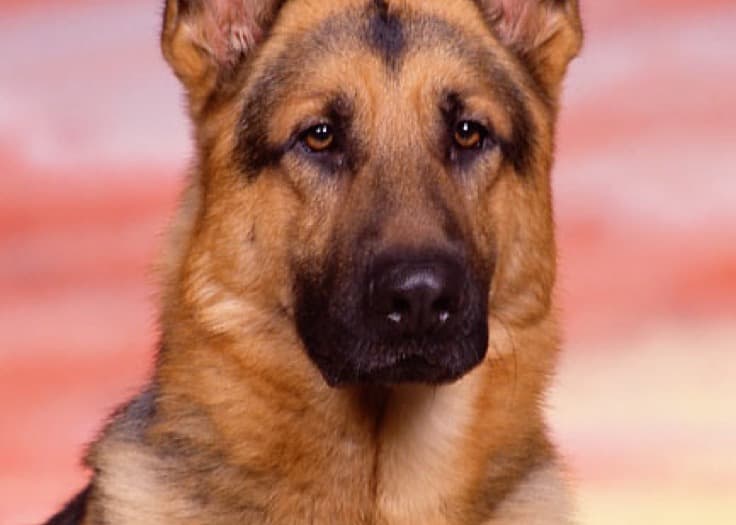
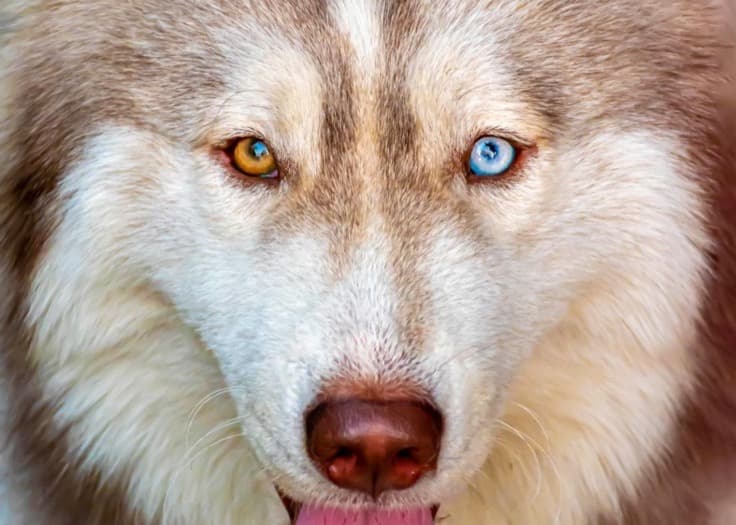
Quick Verdict
Better fit for families with kids
Both suitable with supervision
German Shepherd: With training & socialisationiCan be good with children with early training and socialisation; size and protective instincts mean supervision around young children is importantSiberian Husky: Supervision recommendediTraining and supervision needed; high energy can be challenging around small children
German Shepherd
German Shepherd: Some challengesSiberian Husky: Not recommended
German Shepherd
German Shepherd: Intro and training needediCan do well with cats when raised together or introduced early; working instincts and size mean rushed introductions can set back the relationship significantly — slow, structured pairing works bestSiberian Husky: Strong prey instinctiHigh prey drive and chase instinct make Huskies genuinely high-risk in cat households — even well-socialized Huskies can act on prey instinct toward cats. Most cat owners are advised to consider a different breed
Verdicts are based on trait ratings. Always evaluate individual dogs and confirm behavior with the shelter, foster, or rescue organization.
Stats at a Glance
| Trait | German Shepherd | Siberian Husky |
|---|---|---|
| Size | Large | Large |
| Energy | High | Very High |
| Shedding | High | Very High |
| Grooming | Moderate | Moderate |
| Trainability | Very High | Moderate |
| Barking | Moderate | Moderate to High |
| Apartment Friendly | Challenging | No |
| Good With Kids | OftenWith training & socialisation | OftenSupervision recommended |
| Good With Dogs | DependsEarly socialization key | Often |
| Good With Cats | Possible with socializationIntro and training needed | ChallengingStrong prey instinct |
| Daily Exercise | 60–120 min/day | 90–150+ min/day |
| Typical Lifespan | 9–13 years | 12–14 years |
| Beginner Friendly | Some challenges | Not recommended |